
How to Arrange Shipping Container Transport in 2026
Arranging shipping container transport in 2026 takes more than finding a vessel and requesting a rate. The move must connect the right container, truck, port, and delivery point. A small mismatch can matter: a 40-foot container may not suit a narrow access road, while an overlooked weight limit can disrupt a loading plan. Transport geographer Jean-Paul Rodrigue’s work suggests a useful principle: “A container move is only as dependable as its weakest connection.” This is a practical paraphrase of his research, not a verbatim quotation.
A reliable plan starts with the cargo’s dimensions, weight, pickup location, destination, and delivery deadline. These details help a freight forwarder compare equipment, routes, transit estimates, and charges. Ask what the quote includes, such as port handling, inland trucking, and possible waiting fees. Check booking cutoffs and leave room for schedule changes. Schedules shift.
This guide outlines the decisions that shape a container move, from choosing a service to coordinating pickup and delivery. It also explains what to confirm before booking, including container condition, cargo information, insurance options, and document requirements. Keep written records of agreed services and dates. Even careful plans can miss a detail; a warehouse closing time or a truck’s access restriction may change the final arrangement. Review each handoff with the people responsible, and ask questions when a fee or timeline is unclear. The aim is not a perfect forecast. It is a practical plan with fewer surprises.
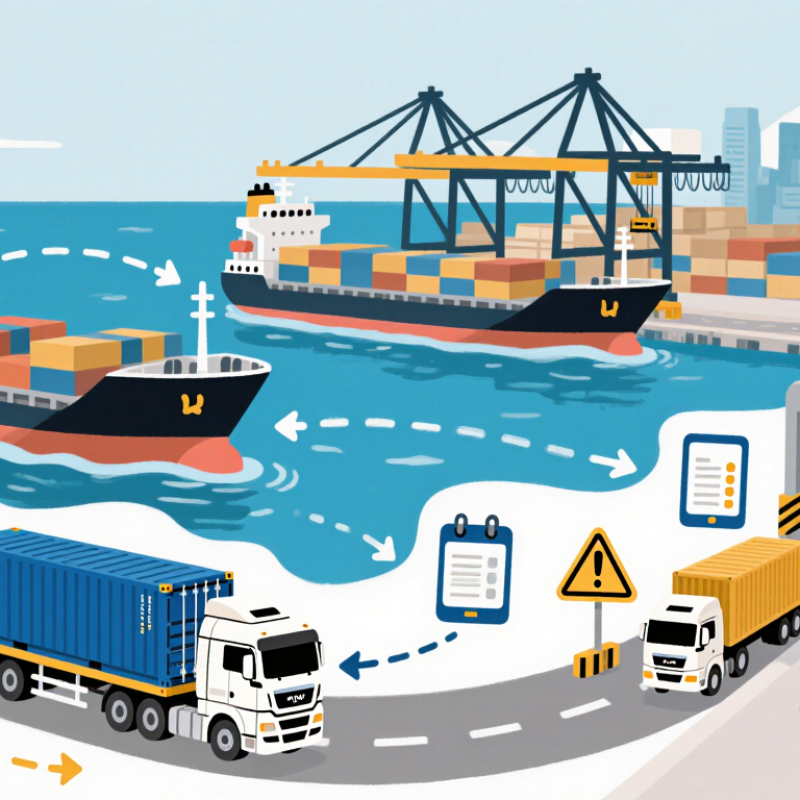
Match cargo to ISO 668 container sizes: 20-ft or 40-ft
Choosing between a 20-foot and 40-foot container starts with measured cargo dimensions, not estimated volume. ISO 668 specifies standard external lengths of about 6.06 metres and 12.19 metres, respectively. Both are about 2.44 metres wide externally. Internal space is smaller, and door openings can restrict bulky items. Check the equipment specifications before booking. Small details matter.
A 20-foot container often suits compact, heavy freight. A 40-foot unit provides more floor length for lighter, bulkier loads. Compare packed dimensions, pallet layout, total weight, and the container’s rated payload. Leave room for bracing and safe loading; cargo that fits neatly on paper may not load neatly in practice. That mismatch happens.
Do not assume twice the length means twice the usable capacity. Cargo shape, door clearance, and weight distribution affect what can be loaded safely. Ask for the exact container type and verified internal dimensions, especially when cargo is close to the available limits. Measure twice. Repacking can add handling time and disrupt a carefully planned departure.
How to Arrange Shipping Container Transport in 2026 — Match Cargo to ISO 668 Container Sizes: 20-ft or 40-ft
| Planning dimension | 20-ft general-purpose container | 40-ft general-purpose container | How to use this information |
|---|---|---|---|
| ISO 668 nominal external length | 6.058 m (19 ft 10.5 in) | 12.192 m (40 ft) | Use nominal external dimensions when checking equipment and transport arrangements. |
| Typical external width | 2.438 m (8 ft) | 2.438 m (8 ft) | Check route, vehicle, terminal, and site restrictions; the container width does not include any extra securing equipment. |
| Typical external height — standard container | 2.591 m (8 ft 6 in) | 2.591 m (8 ft 6 in) | Confirm the actual height and loaded transport height, including the vehicle or chassis, before arranging road transport. |
| Typical internal length | About 5.9 m (19 ft 4 in) | About 12.0 m (39 ft 5 in) | Internal measurements vary by container design. Compare cargo length with the specific unit’s available space. |
| Typical internal width and height | About 2.35 m wide × 2.39 m high | About 2.35 m wide × 2.39 m high | Door openings are usually smaller than internal dimensions. Check cargo width and height at the doorway as well as inside. |
| Typical internal volume | About 33 m³ (about 1,170 ft³) | About 67–68 m³ (about 2,370–2,400 ft³) | These are approximate planning figures, not guaranteed usable capacity. Packaging, bracing, and cargo shape reduce usable space. |
| Best fit by cargo volume | Compact or dense cargo that fits within the shorter floor length. | Long, bulky, or higher-volume cargo that needs more floor space. | A 40-ft container provides roughly twice the internal volume, but it may not be suitable for heavy cargo if the load exceeds permitted limits. |
| Weight and payload check | Verify the container’s tare mass, maximum gross mass, and payload on its safety approval plate. | Verify the container’s tare mass, maximum gross mass, and payload on its safety approval plate. | Also check the carrier’s, vehicle’s, road, and jurisdictional weight limits. The allowable shipment weight can be lower than the container’s rated payload. |
| When arranging transport | Provide cargo dimensions, total weight, pickup and delivery access details, and loading requirements. | Provide cargo dimensions, total weight, pickup and delivery access details, and loading requirements. | Request confirmation of container availability, equipment type, vehicle suitability, route restrictions, and loading or unloading arrangements. |
Planning note: Dimensions and capacities shown are typical approximate values for standard general-purpose containers. Actual specifications vary by unit and manufacturer. Check the container’s data plate and the transport provider’s requirements before booking. High-cube containers are taller than standard containers and require a separate height and route check.
Related Posts
-

How to Choose the Best Shipping Container Movers for Your Needs?
-

Top Shipping Container Movers for Global Buyers Guide?
-
10 Best Shipping Container Movers for Stress Free Relocation?
-

Top 10 Tips for Shipping Container Transport Success?
-

Top 10 Best Trucking Companies in China for Global Buyers?
-
Top 10 Freight Shipping Companies for Global Buyers
