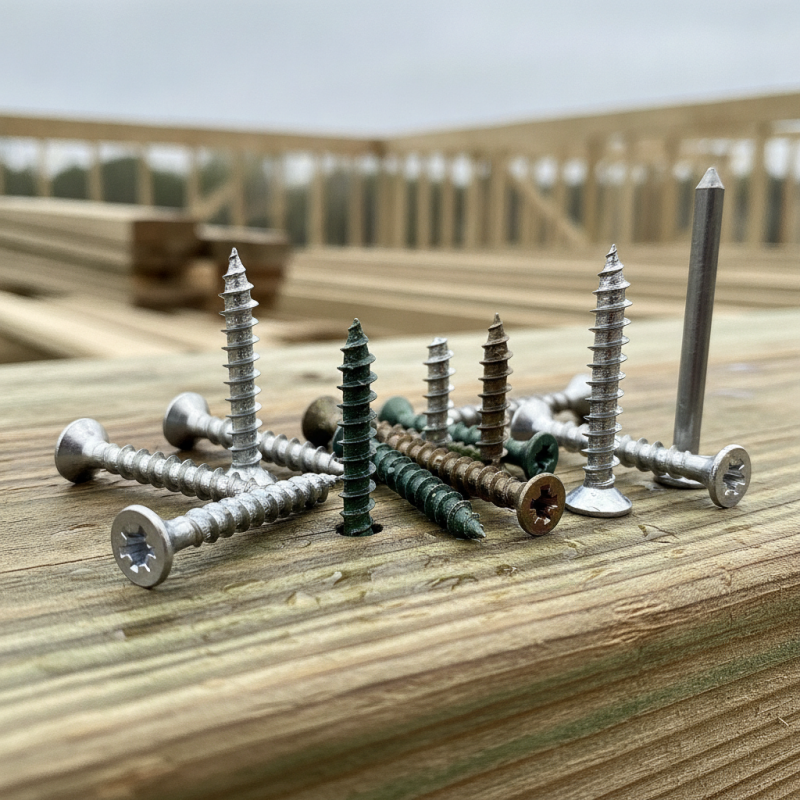
Best Corrosion Resistant Deck Screws for Your Projects?
Choosing the right screws for your deck projects is crucial. Corrosion resistance is key in outdoor environments. This guide highlights the best Corrosion Resistant Deck Screws available today.
Corrosion resistant deck screws provide longevity and strength. Ordinary screws may rust quickly when exposed to moisture. This can compromise the integrity of your deck over time. Investing in high-quality screws ensures safety and durability.
However, not all options live up to their promises. Some screws may still show rust despite claims. Researching product reviews and ratings is essential. Make informed choices based on real user feedback. Ultimately, selecting the right corrosion resistant deck screws can make a significant difference in your project’s success.
Understanding Corrosion Resistance in Deck Screws
When choosing deck screws, corrosion resistance is pivotal. Decks face harsh weather, humidity, and moisture. Corrosion can weaken screws over time, leading to structural issues. Understanding how different materials resist corrosion is essential for durability.
Stainless steel is a popular choice due to its chromium content, which forms a protective layer. However, not all stainless steel is equal. Some grades, like 304, perform decently but may not withstand coastal environments. Higher-grade stainless steel, like 316, offers improved resistance, making it ideal for marine settings.
Other coatings, like ceramic or zinc, can enhance corrosion resistance. While these coatings can be effective, they may wear off over time. Factors like installation method and exposure to elements also play a role in longevity. It’s crucial to consider these elements when selecting screws for your project. Making informed choices ensures a long-lasting deck.
Materials Used in Corrosion Resistant Deck Screws
When selecting deck screws, the material used plays a crucial role in corrosion resistance. Stainless steel is a popular choice due to its resistance to rust and deterioration. According to the American Society for Testing and Materials (ASTM), screws made from Type 316 stainless steel offer excellent performance in coastal and marine environments. These screws can withstand the harsh effects of salt and moisture, making them a preferred option for outdoor projects.
Another material to consider is carbon steel, often coated with a protective layer. Galvanization is a common method that involves coating the screws in zinc. This process effectively protects against corrosion by creating a barrier. However, the coating can wear off over time, especially in high-stress areas. A report by the National Association of Home Builders highlights that while galvanized screws are initially cost-effective, their longevity might not match that of stainless steel options.
Furthermore, composite screws are gaining popularity as an alternative. Made from a blend of polymers and metal, these screws are designed to resist corrosion effectively. They offer flexibility and strength while being lightweight. Yet, many homeowners lack information about their long-term performance. Research is still ongoing to determine the best applications and environments for composite materials. Therefore, weighing the pros and cons based on specific project needs is essential.
Top Brands Known for Durable Deck Screws
When selecting deck screws, the brand can significantly influence durability. Top brands offer a range of corrosion-resistant options. These screws are designed to withstand harsh weather and environmental conditions. A reliable deck screw should be made from high-quality materials. Stainless steel and coated types are common in the best products.
High-quality brands pay attention to detail. Their screws often feature advanced coating technology. This helps prevent rust and other forms of corrosion. Users report longer service life with these fasteners. It’s essential to consider customer feedback as well. Reviews can reveal weaknesses in less established brands.
While many brands claim to offer superior performance, not all live up to expectations. Some screws might bend or break under pressure. Researching and selecting reputable brands is crucial. This ensures your project stands strong against time and elements. Don’t hesitate to ask for recommendations from professionals. Their insights can guide you in making informed choices for your decking needs.
Choosing the Right Size and Type for Your Project
When undertaking a project that requires deck screws, choosing the right size and type is crucial. Corrosion resistance should be your top priority. It ensures that the screws maintain their integrity against moisture and environmental factors. Consider the materials you will be working with. For instance, different woods can react differently to moisture, affecting your choice of screw.
Tips: Always check the length of the screws. A screw too short may not provide adequate holding strength. If you’re unsure, opt for a length that allows for at least two inches of penetration into the supporting structure.
Choosing the right gauge is equally important. A thicker screw can offer more strength, but it may require a larger pilot hole. Conversely, a thinner screw is easier to drive but may not support heavier loads. Keep in mind that over-tightening can strip the wood, leading to a need for reinforcement later.
Tips: Test the screw in a scrap piece first. This helps you avoid mistakes that could result in a compromised structure. Also, think about the finish of the screw. Some coatings may give you better corrosion resistance than others, particularly in specific environmental conditions.
Installation Tips for Maximizing Deck Screw Longevity
When it comes to deck screws, installation plays a critical role in their longevity. One significant factor is using the right type of drill bit. For example, a pilot hole helps reduce the risk of splitting wood. According to a study by the American Wood Council, screws are 50% less likely to damage wood fibers when a proper pilot hole is created.
Another important aspect is the torque applied during installation. Over-tightening can cause the screws to snap. A controlled torque between 25-30 in-lbs is often recommended for optimal performance. Many builders overlook this, resulting in premature failure. Consistently monitor torque levels to ensure screws maintain their structural integrity.
Environmental conditions significantly affect screw longevity. Exposure to moisture and salt can lead to corrosion, diminishing lifespan. A report from the National Association of Home Builders notes that corrosion can cut the lifespan of deck screws in half within five years. Regularly inspecting your deck can help identify early signs of corrosion, allowing for timely intervention. Ensuring proper drainage and periodic maintenance will also mitigate these issues.