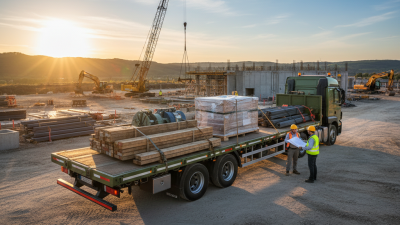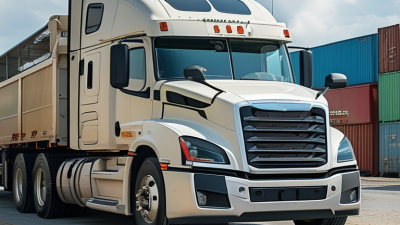
10 Best Flatbed Trucks for Global Buyers? The answer depends on work, roads, climate, and service access. A timber hauler in British Columbia needs different strength from a machinery carrier in Kenya. A construction fleet in Germany may value efficiency over maximum engine output. There is no universal winner.
Tom Berg, a veteran trucking journalist and equipment analyst, offers a practical reminder: “The right truck is the one that fits the work.” That sentence sounds simple. It is also easy to ignore. Buyers often focus on horsepower, chrome, or a low purchase price. Yet deck length, axle capacity, frame strength, suspension design, and tie-down points can decide daily productivity. A reliable flatbed truck should carry steel beams safely, withstand uneven loading, and remain serviceable far from major cities.
This guide compares ten leading models for international buyers. It considers payload potential, fuel economy, cabin comfort, corrosion resistance, driveline options, and manufacturer support. Some trucks suit long highway routes. Others perform better on rough industrial roads or short regional deliveries. We also examine platform height, loading access, and the space needed for cranes or toolboxes.
The ranking is not perfect. Specifications change between markets, and local configurations can alter performance. A model that excels in one country may disappoint elsewhere. Buyers should verify parts availability, technician training, warranty terms, and regional compliance before ordering. Practical testing matters more than polished brochures. A short demonstration with a real load can reveal surprising weaknesses.
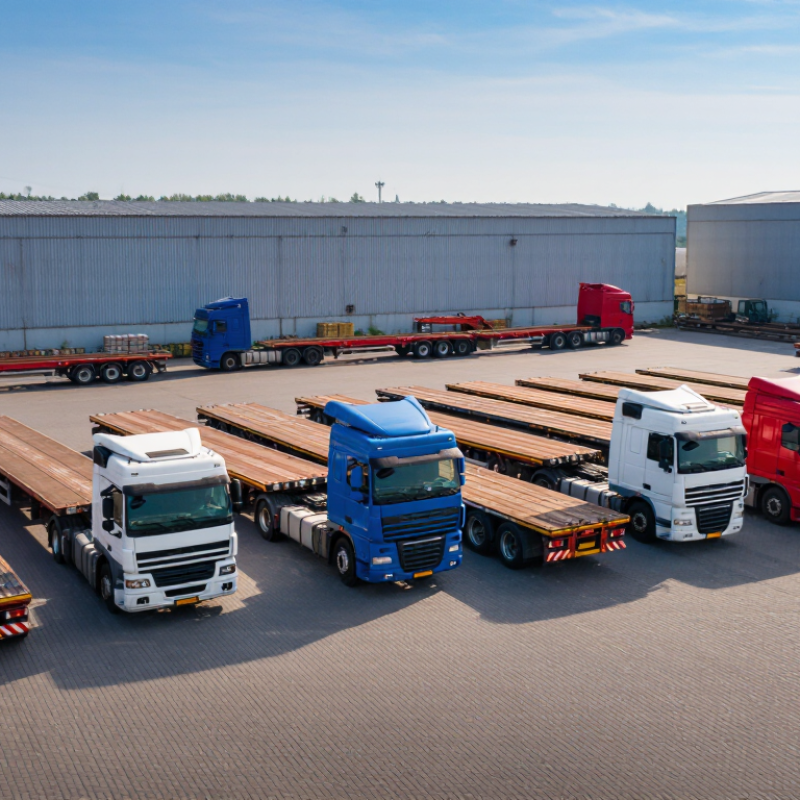
A flatbed truck uses an open, level deck instead of an enclosed cargo body. This design supports machinery, steel sections, timber, and oversized equipment. Loading is practical from the rear or either side. A strong frame, reinforced deck, and properly rated axles determine safe working performance. Tie-down points should be distributed along the platform, not placed only near the rear. During inspections, I look for deck flex, loose fasteners, damaged welds, and uneven tire wear. Small defects can become expensive failures.
Truck selection depends on payload, road conditions, and loading frequency. Short urban routes may need a compact wheelbase and tight turning radius. Construction work often requires higher ground clearance and suspension durability. A hydraulic crane can improve self-loading, but it adds weight and reduces available payload. That trade-off is easy to overlook. A simple flatbed can sometimes transport more useful cargo than a heavily equipped model.
Global buyers also need to check cab layout, steering position, axle limits, braking systems, lighting, emissions, and safety documentation. Requirements vary between countries and may differ between urban and rural operations. Deck width, overall height, and turning clearance can affect route access. Corrosion protection matters in coastal regions, while cooling capacity matters in hot climates. Fuel quality, spare-parts access, technician training, and service response should be assessed before purchase. Published specifications are helpful, but real operating records are more reliable. A vehicle that looks suitable on paper may perform poorly on rough roads or overloaded schedules.
Comparing flatbed trucks across countries requires more than checking payload figures. A 10-ton rating may change under local axle limits, road grades, and body dimensions. The World Bank’s 2023 Logistics Performance Index evaluates infrastructure, customs, and delivery reliability. These factors directly affect truck productivity.
Start with payload, axle spacing, and deck length. Verify bridge formulas in the destination market. A longer deck may improve loading, but it can reduce maneuverability in crowded industrial streets. Measure loading height too. A lower deck can save time when forklifts handle steel coils or timber bundles. Check suspension strength, tire availability, and corrosion protection for coastal routes. Small details matter.
Fuel economy deserves careful testing. The International Energy Agency identifies heavy-duty road transport as a major energy-use sector, while its 2024 Global EV Outlook shows growing zero-emission truck deployment. Electric flatbeds may suit short urban routes, but charging access remains uneven. Diesel models may travel farther, yet maintenance quality varies between regions. This is where buyers often overestimate catalog performance. Real cargo weight, weather, idling, and road surface can change results. Request local field data, service records, and independent inspection reports. A cheaper truck is not always cheaper.
Global buyers need more than a long deck and a powerful engine. Eurostat reported approximately 1,869 billion tonne-kilometres of EU road freight in 2023. That volume shows why cargo flexibility matters.
The standard platform suits steel, timber, and machinery. A drop-side flatbed adds hinged panels for faster loading. A stake-side model holds irregular cargo more securely. Step-deck trucks carry tall equipment under height limits. Lowboy trucks move excavators and other heavy machinery. Extendable platforms support long bridge sections and wind-energy components. Coil carriers use recessed saddles for steel coils. Pipe carriers add cradles and reinforced tie-down points. Logging flatbeds use upright stakes and stronger flooring. Container-compatible platforms use locking points for standardized units.
International buyers should compare payload, deck dimensions, axle spacing, suspension, and local service access. The International Road Transport Union projected a global shortage of 3.4 million truck drivers by 2028. Easier loading can reduce dependence on scarce labor.
Small details matter.
Check tie-down ratings, corrosion protection, brake compatibility, and spare-part availability before ordering.
A practical choice may still be imperfect. A lowboy can be excellent for machinery but inefficient for palletized cargo. An extendable deck may require special route planning.
I would question any specification sheet that ignores climate, road quality, and port handling. Local operators should test turning clearance and loading height with real cargo, not only drawings.
Choosing among the 10 best flatbed trucks for global buyers requires more than comparing engine output. Payload must match the intended cargo, body material, and road conditions. Calculate usable payload from the gross vehicle weight rating, not from marketing claims. The International Transport Forum reports that heavy vehicles remain central to global freight movement, but operating conditions differ sharply between regions. A truck carrying steel coils needs a stronger deck than one carrying packaged goods.
Dimensions also affect practical performance. Measure deck length, width, ground clearance, turning radius, and rear overhang before purchase. A narrow flatbed may suit crowded industrial roads, while a longer platform improves load distribution. However, excessive length can reduce maneuverability. Small detail, large consequence. Leave room for tie-down equipment and safe access around the load.
Safety deserves equal weight. NHTSA’s 2022 Traffic Safety Facts recorded 5,837 large trucks involved in fatal crashes in the United States. That figure supports careful evaluation of braking, lighting, visibility, and rollover resistance. Look for braking systems aligned with applicable UNECE or national requirements, plus stability control where available. Performance data should include gradeability, cooling capacity, fuel or energy use, and suspension behavior under partial loads. Test reports are useful, but real fleet experience can expose weak points. Some published payload figures assume ideal conditions. That assumption deserves questioning.
For global buyers, the 10 best flatbed trucks are not always the most powerful models. They are the ones that match local roads, payload rules, and service capacity. A serious comparison should check engine output, axle ratings, deck length, ground clearance, and cabin access. A 12-ton truck may perform well on highways but struggle on weak rural bridges. Road conditions matter.
Import costs extend beyond the purchase price. Buyers should estimate freight, insurance, port handling, customs duties, inspection fees, and inland delivery. Regulations can require specific emissions levels, lighting layouts, braking systems, or steering positions. Confirm certification documents before payment. Check the rules before payment. A missing compliance paper can delay clearance for weeks. Small errors hurt. My first cost sheet once ignored local registration charges, which made the final budget unreliable.
Maintenance planning should include oil filters, brake components, tires, hydraulic parts, and scheduled inspections. Ask whether replacement parts are stocked locally or shipped from another region. Dealer support is equally important. A capable dealer should provide technician training, diagnostic tools, warranty terms, and clear response times. Request service records from comparable fleet users. One attractive offer may hide slow support. Buyers should also inspect weld quality, deck thickness, suspension wear, and electrical connections before delivery. An independent inspection is often cheaper than correcting hidden damage after arrival.
Fax: (920) 793-3818