
China Top 10 International Freight Forwarders for Global Buyers
Choosing an international freight forwarder is not just a rate comparison. A buyer may need ocean space from Shanghai, dependable customs coordination, and clear updates before a container reaches Rotterdam. Small service gaps can become costly delays. The scale is significant: UNCTAD’s Review of Maritime Transport 2024 reports that more than 80% of world trade by volume moves by sea. That makes carrier access, route planning, and disruption management practical concerns, not abstract selling points. But no provider is best for every shipment.
This guide introduces ten major forwarders for global buyers and explains what to compare. The World Bank’s Logistics Performance Index 2023 evaluates logistics across areas including customs, tracking and tracing, timeliness, and service competence. Those measures offer useful context, though they assess country-level performance, not individual companies. A buyer should also check destination coverage, shipment visibility, claims support, and experience with the goods and trade lanes involved. Ask for a sample quote with the origin, destination, cargo dimensions, and delivery terms specified. Details matter. Rankings can simplify research, but they cannot replace a lane-specific review. Company networks change, and published comparisons may use different measures, such as revenue, shipment volume, or service reach. This shortlist is a starting point, not a guarantee; verify current capabilities directly before choosing.
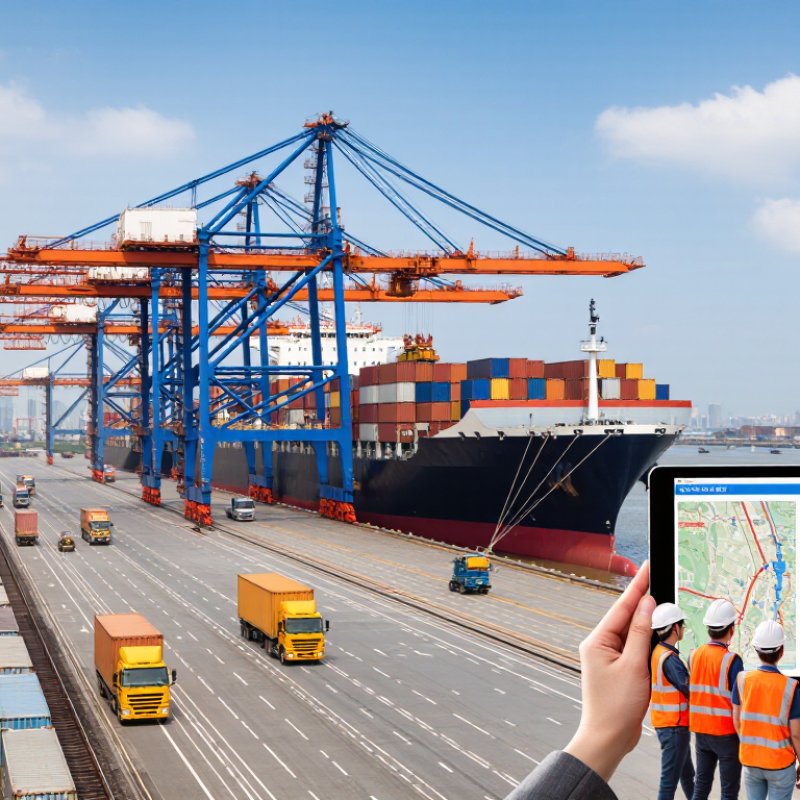
What International Freight Forwarders Do for Global Buyers
International freight forwarders turn a buyer’s delivery plan into bookings, cargo handling, transport documents, and shipment updates. They compare routes, transit times, and costs, then coordinate carriers, warehouses, and destination agents. Sea freight often involves several handoffs. UNCTAD’s Review of Maritime Transport 2024 notes that over 80% of world trade by volume moves by sea, making dependable coordination especially important. A forwarder can consolidate smaller shipments, arrange container space, and flag port delays before they disrupt a production schedule.
The work continues after departure. Forwarders monitor milestones, check that shipping documents match the cargo, and help resolve problems such as a missed sailing or a damaged pallet. They also coordinate with customs brokers, though buyers remain responsible for providing accurate product and shipment information. The World Bank’s 2023 Logistics Performance Index assessed 139 economies across six areas, including customs, tracking and tracing, and timeliness. Those measures reflect the practical details buyers should ask about: update frequency, escalation contacts, and realistic delivery windows. A tracking screen is not control. It can show a delay without explaining the next step, so buyers should agree on how exceptions will be handled before cargo leaves the warehouse. A tidy plan can still meet a messy port.
| No. | Freight Forwarding Service | What the Forwarder Coordinates | How It Helps Global Buyers | Typical Shipment Details or Documents |
|---|---|---|---|---|
| 1 | Full Container Load (FCL) | Reserves container space and coordinates pickup, port handling, ocean transport, and delivery arrangements. | Provides a dedicated container for a shipment, which can suit larger volumes or cargo that should remain separate. | Container size, shipping instructions, commercial invoice, packing list, and bill of lading. |
| 2 | Less than Container Load (LCL) | Arranges cargo consolidation with other shipments and coordinates deconsolidation at the destination. | Allows buyers with smaller shipments to share container space rather than book an entire container. | Cargo dimensions, weight, packing list, commercial invoice, and consolidation details. |
| 3 | Air Freight | Coordinates air cargo bookings, airport handling, required shipment information, and onward transport. | Offers a faster transport option for time-sensitive or relatively lightweight cargo, usually at a higher transport cost than ocean freight. | Air waybill details, cargo weight and dimensions, commercial invoice, and packing list. |
| 4 | Customs Clearance Coordination | Prepares or coordinates customs entries and supporting information, either directly where authorized or through a licensed customs broker. | Helps buyers submit shipment and commodity information for import or export processing and respond to documentation requests. | Commodity descriptions, declared value, tariff classification, origin details, and applicable permits or certificates. |
| 5 | Origin Pickup and Inland Transport | Schedules collection from a supplier and transport to a warehouse, rail terminal, airport, or seaport. | Connects the supplier’s location with the international transport leg and helps coordinate pickup timing. | Pickup address, cargo-ready date, package count, dimensions, weight, and delivery instructions. |
| 6 | Destination Delivery | Coordinates movement from the arrival terminal or warehouse to the buyer’s nominated delivery address. | Provides a final transport link after arrival, subject to local access, delivery, and handling requirements. | Delivery address, receiving hours, unloading arrangements, and applicable terminal release information. |
| 7 | Multimodal Transport | Plans and coordinates a shipment using two or more transport modes, such as sea, rail, road, or air. | Gives buyers a route option that can balance transit time, cost, and available transport connections. | Route plan, handover points, transport documents, cargo details, and estimated transit schedule. |
| 8 | Warehousing and Cargo Consolidation | Arranges short-term storage, cargo receiving, shipment grouping, or preparation before dispatch. | Can help buyers combine goods from multiple suppliers or coordinate cargo that becomes ready at different times. | Warehouse receiving records, package labels, inventory details, and consolidation instructions. |
| 9 | Cargo Insurance Arrangement | Can help arrange cargo insurance through an insurance provider when requested; coverage depends on the policy terms. | Gives buyers an option to seek financial protection for covered loss or damage during transit. | Shipment value, cargo description, route, packing details, and the insurer’s policy documentation. |
| 10 | Shipment Documentation and Status Updates | Coordinates transport documents and shares available milestones, such as booking, departure, arrival, and delivery status. | Helps buyers follow shipment progress and organize receiving, payment, and customs preparations. | Booking confirmation, bill of lading or air waybill, arrival notice, and tracking or milestone updates. |
Service availability, transit times, customs requirements, and charges vary by route, cargo, carrier, and service provider. Customs clearance may require a licensed broker, and insurance coverage is subject to the policy terms.
Related Posts
-
Top 10 Freight Shipping Companies for Global Buyers
-

Best LTL Trucking Companies in 2026 for Global Buyers
-

How to Choose a Freight Forwarder for Global Shipping?
-

How to Calculate Freight Shipping Costs?
-

What is an International Freight Forwarder and How They Facilitate Global Shipping
-

Top 10 Freight Carriers You Should Know About?
