Why Choose International Freight for Your Global Sourcing Needs?
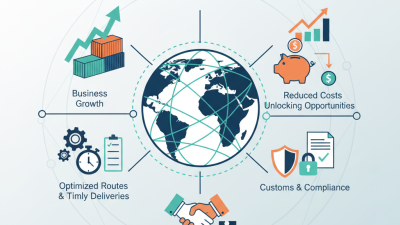
Global sourcing has become essential for businesses seeking to optimize their supply chains. One of the key elements in this process is international freight. It offers significant advantages, making it a popular choice among businesses. When sourcing products from various countries, the mode of transportation can greatly impact efficiency.
International freight provides a reliable way to transport goods across borders. It ensures that products reach their destination quickly and safely. Companies can leverage various freight options, such as air freight or ocean freight. Each option has its own strengths, depending on the type of goods and urgency.
However, choosing international freight does come with challenges. Businesses often face customs regulations and potential delays. Understanding these intricacies is crucial. A thorough knowledge of international freight can mitigate risks and ensure smoother operations. When done right, international freight can effectively support global sourcing needs.

Understanding International Freight and Global Sourcing
International freight plays a vital role in global sourcing. Companies increasingly rely on international shipping to access diverse markets. According to a recent report from the International Trade Centre, over 80% of global trade by volume is transported by sea. This illustrates how crucial international freight is for businesses aiming to source products worldwide.
Understanding international freight involves recognizing its complexities. Various factors like shipping routes, customs regulations, and freight costs are essential. Freight costs can significantly impact profit margins. The World Bank estimates that a 1% reduction in shipping costs can increase trade by 3% to 4%. This reduction highlights the financial importance of selecting the right freight options.
However, logistics challenges can arise. Companies often face delays, miscommunication, and unexpected fees. These issues can disrupt supply chains and lead to lost revenue. According to a survey by FreightWaves, nearly 30% of companies reported shipping delays in the past year. Thus, thorough planning and research are necessary. Businesses must stay informed about trends and market conditions to navigate this evolving landscape effectively.
Key Benefits of Using International Freight for Sourcing
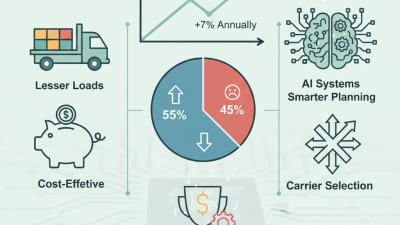
International freight offers unique advantages for businesses engaging in global sourcing. One significant benefit is cost-effectiveness. Shipping large volumes via sea freight often reduces per-unit costs. For firms importing components or raw materials, this can translate into substantial savings. However, it's essential to understand the trade-offs. Longer transit times compared to air freight can impact inventory management.
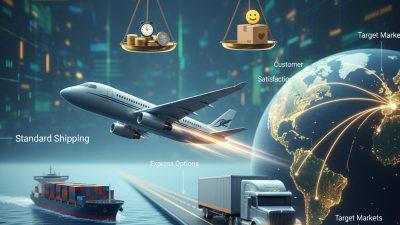
Another advantage lies in the variety of shipping options available. Businesses can choose different methods based on urgency, cost, and volume. Sea freight is ideal for bulky items, while air freight ensures speedy delivery for time-sensitive goods. Yet, companies must weigh these choices carefully. Delayed shipments can disrupt production schedules, and unexpected charges may arise.
The reliability of international freight services is also noteworthy. Many freight forwarders provide tracking features and customer support. This transparency helps businesses stay informed about their shipments. However, not every provider offers the same level of service. It’s crucial to research and select partners with proven track records. Seeking transparency and accountability is vital for a successful sourcing strategy.
Why Choose International Freight for Your Global Sourcing Needs? - Key Benefits of Using International Freight for Sourcing
| Benefit |
Description |
Importance |
| Cost-Effectiveness |
Using international freight can often be more economical than domestic shipping due to bulk rates and competitive pricing. |
High |
| Global Reach |
Access to suppliers globally, allowing businesses to source materials and products from anywhere in the world. |
High |
| Flexibility |
Various shipping options (air, sea, rail, and land) to meet diverse needs and budget constraints. |
Medium |
| Reliability |
Established international logistics providers ensure timely deliveries and handling of customs regulations. |
High |
| Tracking Capabilities |
Advanced technology allows for real-time tracking of shipments, providing visibility and peace of mind. |
Medium |
| Scalability |
Easily adjusts to accommodate both small and large shipments as business needs grow. |
High |
How International Freight Works: Logistics and Processes
International freight is a complex yet essential component of global sourcing. It involves various logistics processes that ensure products move smoothly across borders. Understanding how international freight works can enhance your sourcing strategy. The logistics process starts with selecting the right shipping method. Air freight is fast but costly, while sea freight is slower and more economical. Businesses must weigh these options based on urgency and budget.
Documentation is a crucial aspect of international shipping. Accurate paperwork avoids delays and penalties. Customs clearance requires thorough documentation of goods. Failing to comply with regulations can lead to significant setbacks. Shippers must be aware of trade agreements and tariffs impacting their shipments. Communication with freight forwarders is important. They provide expertise and help navigate complex regulations.
Logistics also involves tracking shipments throughout their journey. Real-time tracking can prevent miscommunication and ensure timely deliveries. However, there are challenges. Weather disruptions, port congestion, and other unforeseen issues can impede logistics. Businesses often need to adapt and prepare for these uncertainties. Flexibility in planning can mitigate risks and improve sourcing outcomes.
Factors to Consider When Choosing International Freight Options
Choosing the right international freight option is crucial for global sourcing. Several factors come into play when making this decision. First, consider your shipment's destination and the nature of the goods. Certain products may require specific handling or transit conditions. For example, perishables demand faster transit times and temperature control. Understanding your cargo needs helps narrow down the options.
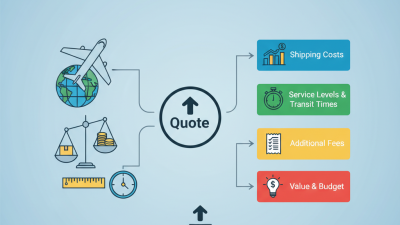
Cost is another significant factor. Different freight methods come with varying price structures. Air freight is quick but often expensive, while sea freight is more economical but takes longer. Weigh these costs against delivery timelines and service reliability. Additionally, think about potential hidden fees. These can include customs duties and handling charges, which may impact overall expenses.
Finally, assess the freight forwarder's expertise and reputation. A well-established forwarder can navigate complexities that may arise during transport. Reviews, testimonials, and industry certifications can provide insight into their reliability. However, no service is without flaws. Delays can happen, and contingency plans are essential. Evaluating these factors will lead you to the best international freight choice for your sourcing needs.
Global Freight Options Comparison
This bar chart compares the average cost per kilogram for different international freight options. Air freight is the most expensive, while ocean freight offers the lowest cost, making it a popular choice for bulk shipments.
Comparative Analysis: International Freight vs. Domestic Shipping
When considering shipping options for global sourcing, one must evaluate international freight versus domestic shipping. Each method has its advantages and disadvantages. International freight typically offers access to a wider range of suppliers, often at more competitive prices. This can be crucial for businesses aiming to reduce costs while maintaining quality. However, logistics can become complicated. Understanding customs regulations and paperwork is essential in international shipping.
Domestic shipping tends to be more straightforward. It usually has shorter transit times, which can be appealing for businesses needing quick restocks. However, the options might be limited in terms of suppliers. The cost savings from international sourcing can be offset by higher domestic shipping rates. Additionally, domestic services may charge more for expedited delivery. It’s important to weigh these factors against your specific needs.
Operational challenges also play a role. Mistakes in documentation can lead to delays in international shipments. Lost inventory or incorrect deliveries can be costly. Domestic shipping may eliminate some of these risks. However, it may not always provide the pricing advantages of international freight. Assessing your specific sourcing needs and risks is key.