How to Choose the Right Pocket Filter Media for Your Needs?
Choosing the right pocket filter media is crucial for effective air filtration. According to a report by the Global Filtration Market, the demand for high-efficiency particulate air (HEPA) filters is expected to rise by 5% annually. Pocket filter media plays a key role in achieving this efficiency.
The selection process can seem overwhelming. Many buyers prioritize factors like efficiency and lifespan. Yet, improper choices can lead to reduced air quality, increased costs, and frequent replacements. Some reports indicate that up to 30% of filter systems underperform due to incorrect media selection.
Furthermore, the environment where the filter is used significantly impacts its performance. Factors such as humidity and dust levels must be considered. It’s important to reflect on specific needs before making a choice. The right pocket filter media can enhance air quality, but not every option fits all situations. Understanding these elements ensures better decisions and more satisfactory results.
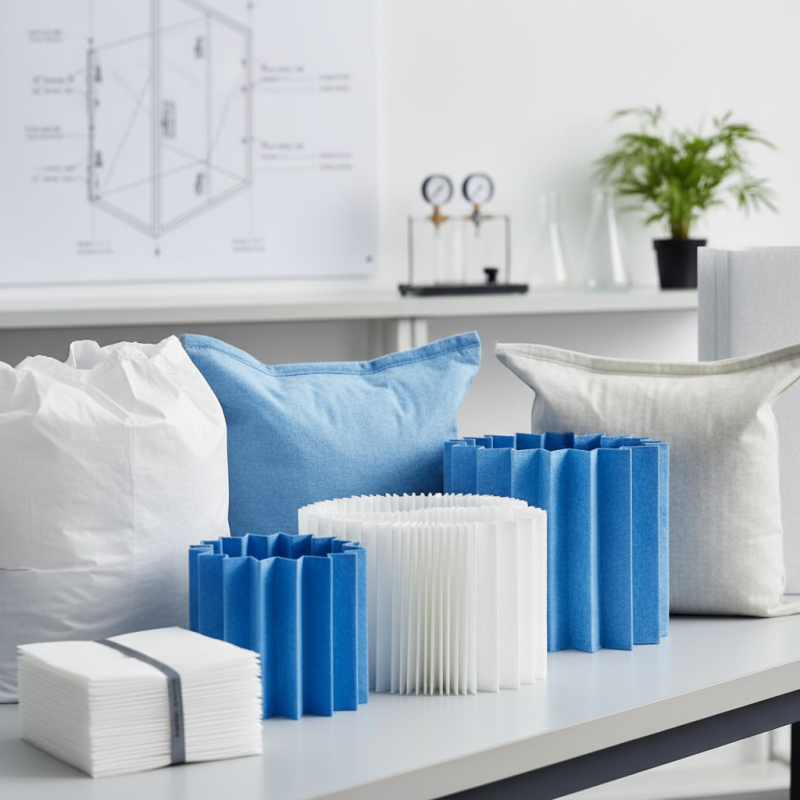
Understanding Pocket Filter Media: Types and Applications
Pocket filter media plays a crucial role in various applications. Understanding the different types available can help in making informed decisions. There are typically three main types: synthetic, fiberglass, and natural fiber filters. Each type has distinct properties that influence performance and application.
Synthetic filters are popular for their durability and performance. They can efficiently capture airborne particles, reaching efficiencies of up to 95% in certain conditions.
Fiberglass filters, on the other hand, provide higher dust-holding capacity, making them suitable for industrial applications. Reports indicate that natural fiber filters, while less effective in some applications, are eco-friendly and easy to dispose of.
When choosing pocket filter media, it is essential to consider factors such as airflow resistance and filter lifespan. The efficiency ratings might not tell the full story. A filter with a higher efficiency may not always be the best choice if it leads to greater energy consumption.
Balancing efficiency with energy costs is critical. In many cases, users also overlook the importance of regular maintenance. Neglecting this can lead to reduced performance over time.
Key Factors in Selecting Pocket Filter Media: Efficiency and Resistance
When selecting pocket filter media, efficiency is a key factor. The media's ability to trap pollutants can significantly affect air quality. Look for materials that provide a balance between airflow and filtration efficiency. The finer the media, the better the filtration, but it may also restrict airflow. A common issue arises when choosing overly dense media, which can lead to increased pressure drop and energy costs.
Resistance to moisture and temperature is another critical consideration. Certain environments, like kitchens or industrial settings, expose filters to high humidity or heat. Using inappropriate media can result in degraded performance and shorter lifespans. A filter that cannot withstand these conditions may not serve its purpose effectively, leading to unscheduled maintenance. Interestingly, many users overlook these factors, focusing solely on the initial cost.
Additionally, the filter's lifespan is often underestimated. Media that offers long-term performance may have a higher upfront cost but can save money in the long run. This consideration requires reflection on actual usage patterns. Analyzing factors like air quality needs and replacement intervals is essential. Overall, taking a better-informed approach can significantly improve air filtration outcomes.
Evaluating Filtration Performance Standards for Pocket Filters
When it comes to selecting pocket filter media, the filtration performance standards are crucial. Filters are rated based on their efficiency in capturing particulate matter. According to the ASHRAE Standard 52.2, a significant number of filters fail to meet their stated efficiency in real-world applications. This highlights the importance of looking beyond claims and understanding actual performance metrics.
Particulate size plays a critical role. Filters are tested against various particle sizes, often ranging from 0.3 to 10 microns. A report from the International Society of Indoor Air Quality and Climate revealed that filters with a Minimum Efficiency Reporting Value (MERV) rating of 13 or higher can capture over 90% of 0.3-micron particles. However, many filters only perform optimally under laboratory conditions. This discrepancy can lead to ineffective air quality management in operational environments.
Additionally, the dust holding capacity of pocket filters should not be overlooked. A study indicated that filters with higher dust holding capacity can offer longer service life and reduced maintenance frequency. Nevertheless, some filters may not notify users of their saturation level, leading to sudden drops in filtration performance. Understanding these aspects can significantly impact the decision-making process when selecting pocket filter media.
Material Comparison: Synthetic vs. Natural Pocket Filter Media
When selecting pocket filter media, the material choice plays a critical role. Synthetic materials, often derived from polymers, offer strong durability and exceptional filtration efficiency. A report from the Environmental Protection Agency (EPA) states that synthetic media can achieve a particulate size capture efficiency of up to 95%. This makes them ideal for environments needing high-performance filtration.
On the other hand, natural materials, like cotton or wool, come with their own set of advantages. They are biodegradable and more environmentally friendly. However, studies indicate that they may not perform as well as synthetic options under high airborne particulate loads. In practical applications, this could lead to reduced efficiency, requiring more frequent replacements. Whether aiming for sustainability or performance, the decision remains complex.
It's also important to consider the intended application. Certain industries may find synthetic materials adequate for their needs. Others may value the eco-friendliness of natural options. However, both types have limitations. For instance, higher moisture content can reduce effectiveness in natural media. Ultimately, the choice between synthetic and natural materials requires careful evaluation based on specific requirements and environmental impacts.
Choosing the Right Pocket Filter Media: Synthetic vs. Natural
Maintenance and Replacement Guidelines for Pocket Filter Media
When it comes to pocket filter media, regular maintenance is essential. Filters trap dust and particles, but they lose efficiency over time. A dirty filter can lead to poor air quality and increased energy costs. How often should you check them? It varies, but a monthly inspection is a good rule of thumb. Monitor air pressure drop across the filter. A significant increase means it's time for a replacement.
Replacing pocket filters should never be ignored. A deteriorating filter can introduce pollutants back into the environment. Look for physical signs of wear and tear. If you see tears or noticeable discoloration, replace it immediately. Be careful with the installation process; improper fitting can compromise performance. Every building is different. Adapt your maintenance schedule based on the specific conditions. The right approach can help ensure cleaner air and a healthier space.