What is Full Truck Load and How Does it Work for Your Shipping Needs
In the realm of logistics and transportation, understanding the various shipping options available is crucial for businesses seeking to optimize their freight strategies. One of the most significant and widely utilized methods is the "full truck load" (FTL) shipping. This approach involves dedicating an entire truck to a single shipment, allowing for a streamlined and efficient transportation process. As companies increasingly focus on cost-effectiveness and timely delivery, FTL emerges as an ideal choice for those with substantial freight volumes or specific delivery requirements.
FTL shipping is characterized by its ability to transport larger quantities of goods while minimizing the risk of damage and delays. By utilizing the full capacity of a truck, businesses can maximize their shipping efficiency and potentially reduce costs per unit. Moreover, with dedicated trucks, deliveries can be scheduled according to the unique needs of a shipment, offering greater flexibility and reliability in the supply chain.
As we delve deeper into the mechanics of full truck load shipping, it becomes evident that understanding this method can greatly enhance your logistics strategy. Whether you are a manufacturer, distributor, or retailer, grasping the benefits and operational aspects of FTL can help you make informed decisions that align with your shipping needs.

What is Full Truck Load (FTL) Shipping?
Full Truck Load (FTL) shipping is a logistics solution where a single shipment occupies the entire trailer space of a truck. Typically, FTL is utilized when a shipper has enough cargo to fill a truck, which allows for more efficient transport. The primary advantage of FTL shipping is the reduced transit time; since the truck is dedicated to one customer, there are no delays waiting to load or unload additional freight. According to industry reports, FTL shipping accounts for nearly 70% of all freight transported in the United States, underlining its significance in the logistics sector.
In terms of cost-effectiveness, FTL is often more economical than Less-than-Truckload (LTL) shipping when shipping larger volumes. Research by the American Trucking Associations (ATA) shows that companies can save significantly on freight costs per unit when utilizing FTL for substantial loads. Moreover, FTL minimizes the risk of damage and product handling, as cargo undergoes less loading and unloading compared to LTL options. For businesses with high-demand shipping needs, leveraging FTL can lead to streamlined operations and improved supply chain efficiency.
Benefits of Choosing Full Truck Load for Your Business
Choosing Full Truck Load (FTL) shipping can provide significant advantages for businesses looking to optimize their logistics processes. One of the primary benefits is cost-effectiveness, particularly for large shipments. By utilizing an entire truck for a single load, companies can avoid the added costs associated with Less Than Truckload (LTL) shipping, where multiple customers share the space and expense. This makes FTL a great option for businesses that frequently ship large volumes or need to transport goods quickly and efficiently.
Another key benefit is the reduced transit time. With FTL, the truck goes directly from the point of origin to the destination without making multiple stops. This not only accelerates delivery times but also minimizes the risk of damage or loss since the cargo is handled fewer times. Furthermore, FTL shipping often provides more secure transport, as the entire load is usually sealed and monitored.
**Tips:** When considering FTL shipping, it’s vital to have precise weight and volume estimates to ensure the truck is fully loaded. This not only maximizes your shipping budget but often results in better rates. Additionally, ensure all necessary documentation is prepared in advance to streamline the shipping process and avoid delays at pick-up or delivery points. Lastly, maintaining good communication with your freight provider can lead to better planning and management of your shipments.
How FTL Shipping Works: The Process Explained
Full Truck Load (FTL) shipping is a logistics method utilized when a shipper has enough cargo to fill an entire truck. This mode of transport is especially advantageous for shipments that require dedicated space and quick delivery. According to the American Trucking Associations, over 70% of freight transported in the U.S. is moved by trucks, highlighting the importance of understanding how FTL shipping works.
The FTL shipping process begins with the shipper preparing the cargo for transport, ensuring that it is adequately packed and labeled. Once the cargo is ready, it is scheduled for pickup by a trucking company. The truck will typically go directly to the shipper’s location, load the freight, and then head directly to the destination, minimizing handling and transit time. This streamlined process not only reduces the risk of damage to goods but also enhances delivery speed, making it an optimal choice for businesses with time-sensitive shipments. According to industry reports, FTL services can save shippers approximately 20-30% in transportation costs compared to alternative shipping methods, especially when dealing with high-volume freight.
Additionally, FTL shipping offers flexibility in planning logistics. Shippers can negotiate routes and schedules that work best for their operations. With many trucking companies investing in technology to enhance route optimization, the reliability and efficiency of FTL shipping continue to improve. Reports suggest that implementing advanced route planning can lead to a reduction in delivery times by up to 15%. This efficiency not only boosts customer satisfaction but also helps companies maintain a competitive edge in their respective markets.
What is Full Truck Load and How Does it Work for Your Shipping Needs
| Dimension |
Description |
Example Value |
| Truck Capacity |
Maximum weight a truck can carry |
20,000 - 45,000 lbs |
| Freight Cost |
Cost associated with transporting goods via FTL |
$2,000 - $5,000 per load |
| Transit Time |
Time taken for the shipment to arrive |
1 - 5 days |
| Load Type |
Type of goods being transported |
Palletized, Bulk, Refrigerated |
| Delivery Options |
Types of delivery services available |
Standard, Expedited, Cross-Dock |
Cost Factors Involved in Full Truck Load Shipping
When considering Full Truck Load (FTL) shipping, it's crucial to understand the various cost factors that play a role in determining the overall expense. The primary pricing structure typically includes base freight charges, which vary based on distance, weight, and the type of cargo being transported. According to the American Trucking Associations, the average cost per mile for FTL shipping in the U.S. has fluctuated around $2.00 to $2.50 in recent years, influenced by fuel prices and demand for freight services. These base charges can significantly vary based on economic conditions, making it essential for businesses to stay informed about market trends.
Additionally, several ancillary costs can affect FTL shipping expenses. For example, accessorial charges such as loading and unloading fees, detention fees for delays, and special handling for fragile or hazardous materials can add up quickly. A report from the Freight Transportation Research Group indicates that accessorial charges can account for as much as 20% of the total shipping costs. Thus, understanding these components enables shippers to budget more accurately and negotiate better terms with freight carriers. Planning for these cost factors can lead to more efficient shipping strategies and ultimately impact the company’s bottom line positively.
Cost Factors in Full Truck Load Shipping
When to Choose Full Truck Load Over Less Than Truck Load (LTL)
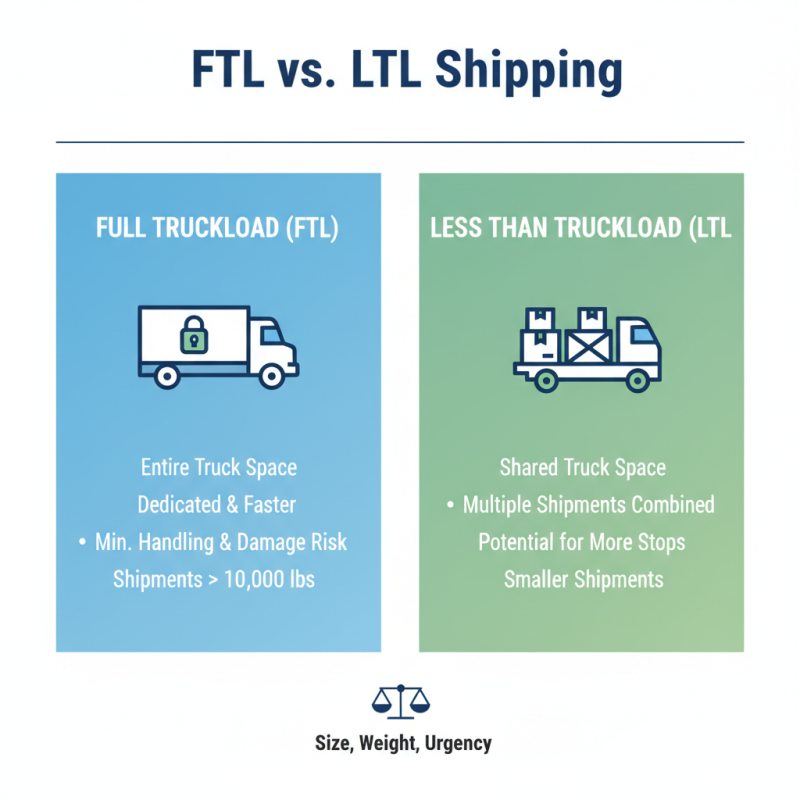
When deciding between Full Truck Load (FTL) and Less Than Truck Load (LTL), consider your shipment's size, weight, and urgency. FTL is ideal when you have enough goods to fill an entire truck, as this allows for dedicated space, faster delivery, and reduced handling. If your shipment exceeds 10,000 pounds or can occupy the majority of a truck's space, FTL is typically the better choice. It minimizes the risks of damage since your goods won’t be combined with those of other shippers.
However, LTL is suited for smaller shipments where costs need to be optimized. If your goods can be consolidated with others to share freight expenses, LTL can be more economical. Consider the time factor as well: if your freight timeline is flexible, LTL can be a viable option, whereas FTL positions you for quicker delivery.
Tips: Before choosing FTL, assess the total weight and volume of your shipment. If your shipment is time-sensitive, FTL can reduce transit times significantly. Conversely, with LTL, monitor the delivery schedules closely to avoid delays that might occur due to multiple stops. Always compare quotes and services to find what best aligns with your shipping needs.