
China To Dubai Shipping has become a practical route for global buyers sourcing electronics, furniture, machinery, apparel, and consumer goods. Sea freight remains central to international commerce: UN Trade and Development’s Review of Maritime Transport 2024 states that maritime transport carries over 80% of world trade by volume. That scale creates opportunity, but it also creates complex choices involving ports, schedules, documentation, insurance, and inland delivery.
This guide introduces ten China-to-Dubai shipping companies selected for their service coverage, operational experience, pricing transparency, and customer support. The comparison considers major gateways such as Shenzhen, Ningbo, Shanghai, and Guangzhou, alongside Dubai’s Jebel Ali Port. DP World’s Annual Report 2024 describes Jebel Ali as a major global trade hub, supported by container, logistics, and multimodal services. The World Bank’s Logistics Performance Index 2023 also placed the United Arab Emirates among the world’s stronger logistics performers, reflecting efficient customs and infrastructure.
Rates change quickly. So do transit times. A cheap quote may exclude destination handling, customs coordination, or final-mile delivery. Company claims also deserve verification through current quotations, service terms, cargo insurance details, and recent buyer feedback. This list is useful, but not perfect. Carrier reliability can vary by season, cargo type, and origin warehouse. Buyers should confirm every assumption before booking, especially for time-sensitive or high-value shipments.
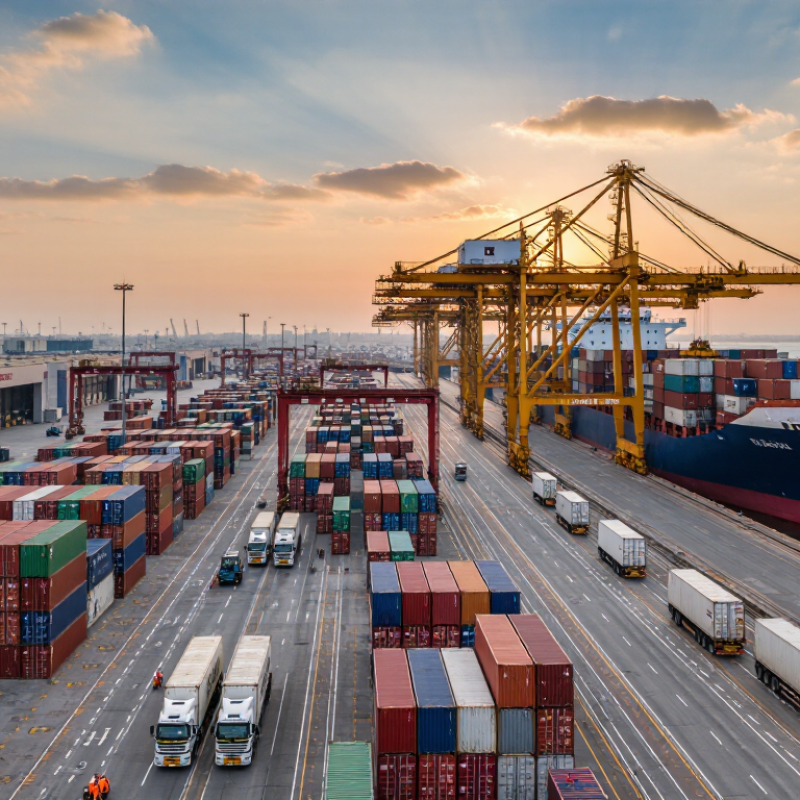
China–Dubai shipping connects major manufacturing centers with Jebel Ali, the region’s key maritime gateway. UNCTAD’s Review of Maritime Transport 2024 states that over 80% of global trade by volume moves by sea. This explains the dominance of ocean freight on China–Dubai routes. Containers commonly depart from Shanghai, Ningbo, Shenzhen, Guangzhou, and Qingdao. Most services pass through the South China Sea, the Strait of Malacca, the Indian Ocean, and the Arabian Sea before reaching Dubai. Typical transit times range from 18 to 30 days, depending on port calls and transshipment.
Air freight supports urgent cargo from eastern and southern China. Delivery may take two to five days, but costs rise sharply. World Bank’s Logistics Performance Index 2023 stresses customs efficiency, infrastructure, and shipment reliability. These factors matter when comparing the top 10 China to Dubai shipping companies. A low quotation may exclude destination handling, documentation, storage, or customs-related charges. Published schedules also look cleaner than reality. Weather, port congestion, and equipment shortages still create delays.
Tips: Ask for a complete door-to-door quotation. Confirm Incoterms, cargo dimensions, insurance coverage, and free storage days. Request the actual sailing route, not only a promised transit time. For small shipments, compare LCL consolidation with air freight. For regular volumes, review at least three months of performance data before choosing a forwarding partner.
| Rank | Anonymous Service Profile | Primary China Gateway | Dubai-Area Destination | Typical Sea Transit | Equipment Commonly Available | Best-Suited Cargo | Documentation Support | Indicative Sailing Pattern |
|---|---|---|---|---|---|---|---|---|
| 1 | High-Volume Mainline Profile | Yantian / Shenzhen | Jebel Ali, Dubai | 18–23 days | 20-foot, 40-foot, 40-foot high-cube | Consumer goods, electronics, general merchandise | Bill of lading, commercial invoice, packing list | Weekly or near-weekly |
| 2 | East China Consolidation Profile | Ningbo-Zhoushan | Jebel Ali, Dubai | 20–26 days | LCL pallets, 20-foot and 40-foot containers | Machinery parts, furniture, packaged products | LCL house bill, invoice, packing list, certificate support | Weekly |
| 3 | Shanghai Gateway Profile | Shanghai | Jebel Ali, Dubai | 21–28 days | Standard, high-cube, refrigerated units subject to booking | Automotive components, industrial cargo, retail goods | Export declaration and standard customs documents | Weekly |
| 4 | South China LCL Specialist Profile | Nansha / Guangzhou | Jebel Ali, Dubai | 20–27 days | LCL cartons, pallets, 20-foot containers | Small shipments, samples, e-commerce inventory | Consolidation documents and cargo classification support | Weekly or biweekly |
| 5 | North China Industrial Profile | Qingdao | Jebel Ali, Dubai | 23–31 days | 20-foot, 40-foot high-cube, project cargo options | Heavy equipment, chemicals subject to approval, machinery | Safety data and commodity documentation checks | Weekly or biweekly |
| 6 | Fast-Turn Consumer Cargo Profile | Xiamen | Jebel Ali, Dubai | 21–29 days | LCL, 20-foot and 40-foot containers | Footwear, household goods, seasonal merchandise | Commercial invoice, packing list, origin documentation | Weekly |
| 7 | North China Regional Profile | Tianjin Xingang | Jebel Ali, Dubai | 25–34 days | Standard dry containers and selected project cargo | Industrial supplies, construction materials, machinery | Export filing and product-document review | Every 1–2 weeks |
| 8 | Rail-to-Sea Multimodal Profile | Yiwu consolidation via Ningbo | Jebel Ali, Dubai | 22–32 days | LCL cartons, pallets, standard containers | Mixed SKU cargo and small wholesale orders | Multi-leg transport records and cargo manifests | Scheduled departures |
| 9 | Hong Kong Feeder-Connected Profile | Hong Kong | Jebel Ali, Dubai | 20–29 days | 20-foot, 40-foot, 40-foot high-cube | High-value general cargo and consolidated shipments | Export documents, cargo insurance coordination | Weekly, subject to feeder connection |
| 10 | Fujian Regional Consolidation Profile | Fuzhou | Jebel Ali, Dubai | 24–33 days | LCL, 20-foot and 40-foot containers | Textiles, consumer products, light manufacturing goods | Invoice, packing list, origin and customs document support | Every 1–2 weeks |
Choosing among the top ten China–Dubai shipping companies requires more than comparing freight prices. The real test is service control. The World Bank’s 2023 Logistics Performance Index evaluates customs, infrastructure, shipment tracking, competence, and delivery timeliness. These measures reveal risks hidden behind attractive quotations. UNCTAD reported that global maritime trade grew 2.4% in 2023, while disruptions continue to affect schedules and costs.
Ask each provider for a complete quotation. It should show ocean freight, origin charges, customs handling, delivery fees, insurance options, and storage rules. Check sailing frequency and transshipment points. A direct route may cost more but reduce handling damage. Request recent performance evidence, such as on-time delivery records and claims response times. For Dubai delivery, confirm whether the final address includes warehouse unloading, appointment booking, and local documentation support. Small omissions become expensive quickly.
Tips: Score each provider from one to five for price, transit time, tracking, communication, and claims handling. Read the service agreement carefully. “Door to door” can mean different things. Experience also matters: ask for references from buyers with similar cargo volume and product type. A provider using clear milestones should explain when cargo is collected, loaded, cleared, and delivered. Still, no scorecard is perfect. Seasonal congestion, currency changes, and incomplete supplier data can distort the result. Leave room for human judgment, and review the choice after the first shipment.
Choosing a China-to-Dubai shipping company requires more than comparing freight rates. The strongest providers offer documented processes, trained staff, and clear responsibility at every handoff. A port-focused carrier suits container cargo and regular sailings. An airfreight specialist handles urgent cartons with faster airport transfers. A rail-and-sea operator may balance cost and delivery speed. A customs coordination team helps prepare invoices, packing lists, and product descriptions. This reduces avoidable clearance delays.
An e-commerce fulfillment provider stores goods, checks quantities, and ships individual orders. A project cargo specialist manages oversized machinery with route surveys and lifting plans. A temperature-controlled provider monitors sensitive goods through sealed vehicles and warehouse sensors.
A consolidation company combines smaller shipments, often lowering costs for growing buyers. A door-to-door forwarder coordinates pickup, export paperwork, ocean transport, import clearance, and final delivery. A trade-compliance consultant adds value by checking restricted routes, tariff codes, and required certificates before dispatch.
Reliable companies provide tracking events, cargo insurance options, and written service terms. Ask how claims are handled when cartons arrive wet or damaged. Request recent transit examples, not only advertised averages. I would not treat every quoted delivery time as dependable. Weather, port congestion, inspections, and incomplete documents still matter. Some online rate tables become outdated quickly. Experienced buyers compare communication quality, warehouse evidence, and escalation procedures alongside price. A practical test is simple: send a detailed shipment brief and measure the response. Clear questions usually reveal real operational experience.
Top 10 China To Dubai Shipping Companies for Global Buyers?
A practical top-ten comparison should measure service depth, transit time, pricing, and coverage. Sea freight usually takes 18–30 days from major Chinese ports to Jebel Ali, depending on routing and transshipment. Air freight can arrive in 2–5 days, but costs rise sharply for dense cargo. Rail and multimodal options may reduce handling time, although schedules are less consistent. UNCTAD’s Review of Maritime Transport 2024 confirms that maritime shipping carries over 80% of global merchandise trade by volume, making port reliability essential.
Pricing needs careful examination. Indicative sea rates may range from USD 700–1,600 for a 20-foot container, while LCL cargo often costs about USD 60–130 per cubic metre. Air cargo commonly ranges between USD 4–9 per kilogram. These figures are only market guides. They may exclude destination handling, documentation, insurance, storage, and customs-related charges. Weekly freight indices, including the Drewry World Container Index, show how quickly ocean prices can change.
Coverage is not only about reaching Dubai. Strong providers should offer pickup in inland Chinese cities, warehouse consolidation, cargo tracking, and delivery across the UAE and nearby Gulf markets. The World Bank’s 2023 Logistics Performance Index highlights customs efficiency, infrastructure, and shipment timeliness as key logistics factors. Ask for written transit estimates and surcharge rules. A low quote can hide delays. That happens. Even experienced buyers should compare at least three door-to-door quotations and inspect the service exclusions before choosing a provider.
This market benchmark compares commonly available China–Dubai shipping services without displaying company or brand data. Transit times and prices are indicative midpoint ranges for standard commercial shipments; final quotations vary by route, cargo type, season, fuel surcharge, customs requirements, and delivery address.
Ocean freight generally offers the lowest cost for larger shipments, while express and air cargo provide faster delivery. Rail and multimodal services can balance transit time and cost when available for the cargo route and destination.
China to Dubai shipping involves more than comparing freight rates. Import rules can change by product category, shipment value, and consignee status. Check the correct HS code before requesting quotations. A wrong classification can delay customs clearance or create unexpected duties. Dubai-bound cargo may also require import permits, conformity documents, or special approvals, depending on the goods. Verify current requirements with UAE customs or a licensed clearance professional.
Documentation must match the cargo exactly. Prepare a commercial invoice, packing list, bill of lading, certificate of origin, and relevant permits. The invoice should show accurate descriptions, quantities, values, currencies, and Incoterms. Small inconsistencies matter. One carton count differed from the packing list in a shipment I reviewed, causing avoidable questions at the port. Digital copies help, but some authorities may request signed or original documents. Confirm this before dispatch.
Choosing a shipping partner requires more than a low price. Ask whether the provider has experience with Dubai customs, door delivery, cargo insurance, and port procedures. Request a written cost breakdown, including handling fees, storage risks, duties, and destination charges. A reliable partner explains delays clearly and protects document accuracy. References from similar importers are useful. Still, do not treat testimonials as proof. Check licenses, service terms, tracking quality, and who manages customs communication. The cheapest option can become expensive when responsibility is unclear.
Fax: (920) 793-3818
