Top 10 Dust Collection Units for Efficient Industrial Use?
In industrial environments, maintaining air quality is crucial. Dust Collection Units play a vital role in ensuring a clean and safe workspace. These systems capture harmful dust particles, enhancing worker safety and operational efficiency. Choosing the right Dust Collection Unit can be challenging. There are various models and styles available, each designed for specific applications.
Effective dust collection is essential for many industries, including woodwork, metal fabrication, and food processing. A suitable Dust Collection Unit not only removes dust but also prevents machinery from clogging. This results in fewer breakdowns and reduced maintenance costs. An ideal unit should match your facility's needs while adhering to strict safety standards.
However, it's important to note that not all Dust Collection Units are created equal. Some might lack the power or efficiency needed for larger operations. Buyers must evaluate options carefully, considering factors like filtration efficiency and airflow capacity. Investing time and research into this choice can lead to significant long-term benefits.
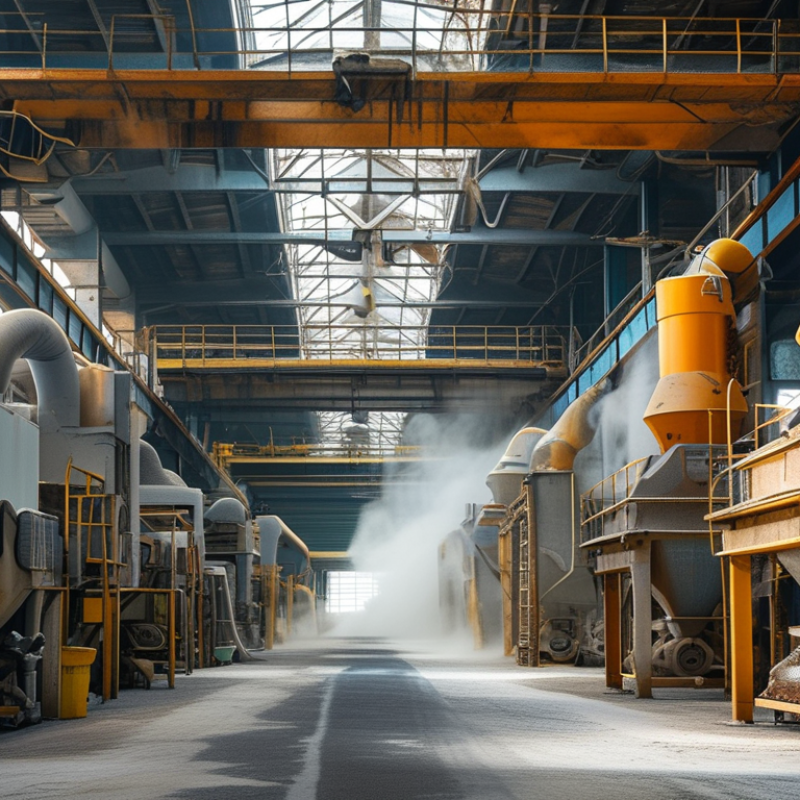
Types of Dust Collection Units for Industrial Applications
When considering dust collection units for industrial applications, understanding the various types is crucial. Baghouse collectors are common in many industries. They use fabric filters to capture dust particles efficiently. These units are versatile and suitable for numerous materials, but maintenance can be labor-intensive. Regular cleaning and filter replacements are necessary to ensure optimal performance.
Cyclone collectors offer a different approach. They use centrifugal force to separate larger particles from the airflow. This type of unit is often used in heavy-duty applications. They are efficient but can be less effective for fine dust. It's possible that some users may overlook the need for a secondary filtration system to capture smaller particles.
Another type is the cartridge collector. These units are compact and provide high filtration efficiency. They are ideal for environments where space is limited but require careful monitoring of filter conditions. A malfunction could lead to inefficient dust control. Each type of collector has its strengths and weaknesses, and understanding these can lead to better performance and safety in industrial settings.
Key Features to Consider When Selecting Dust Collection Units
When selecting dust collection units for industrial use, several key features should be prioritized. Firstly, airflow capacity is critical. Units with higher cubic feet per minute (CFM) ratings can handle more dust, enhancing efficiency. According to the National Institute for Occupational Safety and Health (NIOSH), maintaining an appropriate CFM rating for your application can reduce airborne particulate levels significantly.
Another important feature is filtration efficiency. High-efficiency particulate air (HEPA) filters can capture 99.97% of particles that are 0.3 microns in size. This is especially vital in industries such as woodworking and metalworking, where fine dust can pose health risks to workers. Research shows that implementing advanced filtration systems can lead to a 50% decrease in respiratory issues among employees in these environments.
Noise levels and operational costs are also essential considerations. A quieter unit can enhance workplace comfort, especially in settings where multiple machines operate simultaneously. Additionally, operational costs can vary widely. Investing in energy-efficient models can result in savings over time. Balancing these factors requires careful analysis to ensure optimal performance and worker safety while maintaining budget constraints.
Top 10 Dust Collection Units for Efficient Industrial Use
| Model | Airflow (CFM) | Filter Efficiency (%) | Collection Capacity (Gallons) | Noise Level (dB) | Power (HP) |
| Model A | 1,200 | 99 | 30 | 85 | 3 |
| Model B | 800 | 95 | 20 | 82 | 2 |
| Model C | 1,000 | 97 | 25 | 88 | 3 |
| Model D | 1,500 | 98 | 35 | 90 | 5 |
| Model E | 900 | 96 | 22 | 84 | 3 |
| Model F | 750 | 94 | 15 | 80 | 2 |
| Model G | 1,100 | 97 | 28 | 86 | 4 |
| Model H | 600 | 92 | 10 | 78 | 1.5 |
| Model I | 1,250 | 99 | 32 | 82 | 3 |
| Model J | 1,400 | 100 | 40 | 88 | 5 |
Top 10 Dust Collection Units: Performance and Efficiency Ratings
When selecting dust collection units for industrial applications, performance and efficiency are crucial. A unit's ability to manage particulate matter effectively can significantly impact worker safety and equipment longevity. Factors like airflow, filtration capabilities, and design play essential roles. A powerful motor paired with a well-designed filter system ensures optimal dust control, reducing inefficiencies in the workspace.
Several dust collection units have demonstrated noteworthy performance ratings. The best models capture 99% of airborne particles, which is vital in environments with fine dust. However, not all units are perfect. Common issues include noise levels and filter maintenance. Noise can be a distraction in work environments, while filter upkeep can add unexpected operational costs. It's important for industries to evaluate these aspects carefully.
Efficiency ratings provide valuable insights for decision-makers. Units with a higher efficiency ratio often reflect advanced engineering and superior filtration technology. Observing feedback from current users can guide new purchases. Real-world experiences highlight both advantages and areas needing improvement. This knowledge can prove beneficial when making informed decisions on dust collection solutions in industrial settings.
Maintenance Tips for Optimal Operation of Dust Collection Systems
Dust collection systems play a crucial role in maintaining a clean and safe industrial environment. Regular maintenance ensures optimal performance and extends the equipment's lifespan. It's important to understand the specific needs of your system, as neglect can lead to inefficiencies and increased operational costs.
Dust filters should be checked regularly. Accumulated dust can hinder performance. Clean or replace filters as needed to maintain airflow and filtration efficiency. Inspecting for leaks is also essential. Even small gaps can allow dust to escape, reducing effectiveness. Addressing these issues promptly can prevent more serious problems down the line.
Routine checks on the collection unit’s motor and fan are necessary. Listen for unusual sounds; they can indicate mechanical stress. Lubricate moving parts to reduce friction. Schedule regular professional inspections for comprehensive evaluation. All these practices contribute to the system's reliability. Engaging with experienced technicians can provide deeper insights. They can identify hidden issues that may otherwise go unnoticed.
Cost-Benefit Analysis of Investing in Industrial Dust Collectors
Investing in industrial dust collectors is crucial for maintaining a clean and safe work environment. However, potential buyers should carefully weigh costs against benefits. Dust collectors can vary significantly in price based on size and specifications. Organizations must evaluate their specific needs and hazards before making a purchase. A higher initial investment can lead to long-term savings through reduced health risks and lower cleanup costs.
While the upfront cost can be daunting, consider the health impacts. Prolonged exposure to airborne dust can lead to respiratory diseases. Implementing an efficient dust collection system can mitigate these risks, fostering employee well-being. It's not just about compliance with regulations; it's about creating a healthier workplace.
Moreover, some units may require maintenance that adds to operational costs. Investing in quality units may offset these upkeep expenses. Balancing costs with efficiency and safety can be challenging. Organizations must assess their operational demands and budget constraints pragmatically. Ultimately, the decision should reflect a commitment to safety and productivity, even if it requires difficult financial choices.