Top 5 Forklift Collision Detection Systems You Should Know?
The need for safety in warehouse operations has never been more critical. According to the Occupational Safety and Health Administration (OSHA), forklift accidents account for nearly 25% of all warehouse injuries. These incidents often lead to severe injuries and costly damages. A Forklift Collision Detection System can significantly reduce these risks.
Industries are increasingly adopting advanced technologies to ensure safety. Reports indicate that the implementation of these systems can decrease accidents by up to 70%. However, many businesses still overlook the importance of such systems. Relying solely on human operators without technological support can be a dangerous approach. These systems not only enhance safety but also improve operational efficiency.
While the advancements in collision detection technology are promising, their effectiveness depends on proper implementation and use. Not every system fits every warehouse layout or operation type. Companies must select a system that aligns with their specific needs while considering the possible limitations. Investing in a Forklift Collision Detection System requires thoughtful evaluation but can lead to a safer working environment.
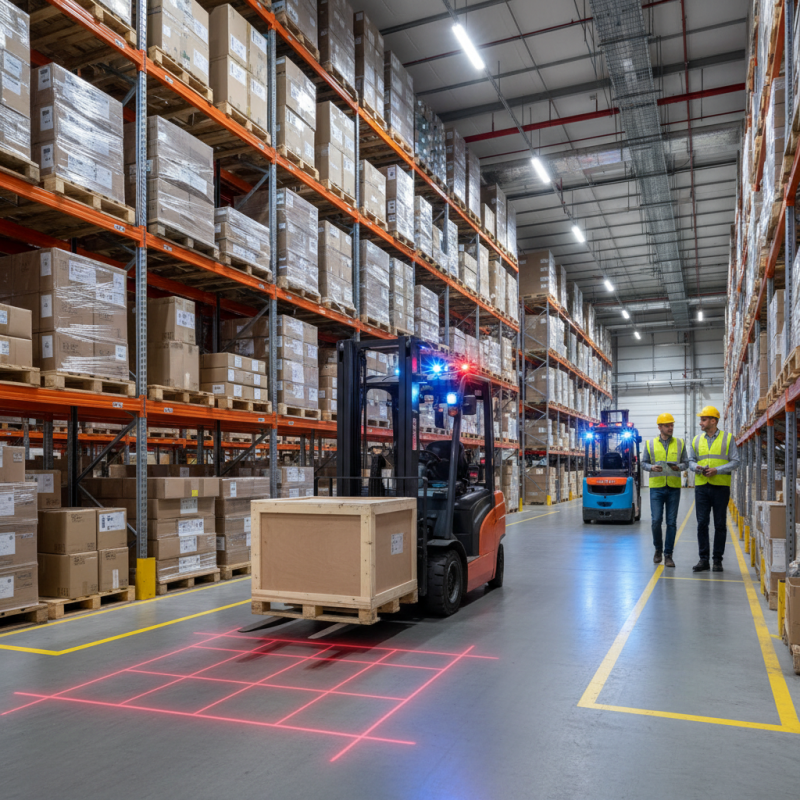
Overview of Forklift Collision Detection Systems
Forklift collision detection systems play a crucial role in ensuring safety in busy warehouses and manufacturing facilities. They utilize advanced technologies to minimize accidents, enhancing workplace security. According to industry reports, around 50% of forklift accidents result from collisions. This statistic highlights the urgent need for effective detection systems.
These systems often integrate sensors and cameras to track the forklift’s movements. They can detect nearby obstacles or pedestrians. Depending on the system, alerts are triggered to warn operators. Some systems even have automated braking features. A recent survey showed that companies using such technologies reported a 30% reduction in collision incidents.
However, the effectiveness of these systems relies on proper training and regular maintenance. Many organizations overlook routine checks, leading to system failure when it matters most. Users must also stay updated on technological advancements. Ignoring this may limit the system's capabilities and effectiveness. Investing in the latest detection technology is essential but not always sufficient if user practices lag behind.
Key Features to Consider in Collision Detection Technologies
Collision detection systems for forklifts are essential for workplace safety. When selecting a system, consider the following key features.
First, real-time alerts can greatly enhance safety. These notifications give operators immediate insight into nearby obstacles. They help prevent accidents before they happen. Look for systems that use cameras or sensors for better visibility.
Another crucial feature is integration with existing equipment. Effective collision detection systems should easily sync with current safety protocols. This ensures a seamless operation without the need for extensive training.
Tips: Always assess the working environment. Different settings require specific technologies. Additionally, involve your team in choosing the right system. They often provide valuable insights about potential hazards.
Lastly, keep in mind the system's reliability. A good technology should perform consistently under various conditions. Test these systems in real-world scenarios before finalizing your choice. By evaluating these features, you can make a more informed decision.
Top 5 Forklift Collision Detection Systems and Their Functionality
In warehouses and distribution centers, safety is paramount. Forklift collisions can lead to severe injuries and costly damages. Recent studies show that forklift-related incidents account for nearly 25% of all warehouse accidents. This highlights the need for effective collision detection systems.
Several advanced systems enhance safety measures. For example, sensors that detect nearby objects can alert the operator in real-time. This technology uses radar and cameras to monitor the environment around the forklift. It can significantly reduce collision incidents. Some systems also include automated braking features, which add an extra layer of protection. However, reliance on technology alone may not ensure total safety. Training operators is still crucial.
Another system employs geofencing technology, creating virtual boundaries within a facility. This prevents forklifts from entering hazardous areas. According to industry data, companies using collision detection systems report a 20% decrease in incidents. Yet, implementation challenges remain. Staff must adapt to these new technologies, which can take time and effort. Regular evaluations and updates are necessary for these systems to function optimally.
Benefits of Implementing Collision Detection Systems in Warehouses
Implementing collision detection systems in warehouses can significantly enhance safety. These systems use advanced sensors to monitor the environment around forklifts. It helps prevent accidents that can lead to injuries. Employees feel safer when they know these systems are in place. With real-time alerts, potential collisions get recognized early. This proactive approach reduces the risk of damage.
Moreover, reducing accidents can save money. Fewer accidents mean lower insurance costs and less downtime. When workers are safe, productivity can increase. Employees work more efficiently when they are not worried about collisions. Implementing these systems can also improve workflow. It leads to better organization of goods and movement.
However, the effectiveness of these systems may vary. Proper training is required to ensure all staff understand how to use them. Without proper training, accidents can still occur. Regular maintenance of detection systems is essential. If they malfunction, the benefits are negated. Continuous evaluation is necessary for improvement. Safety requires ongoing attention and commitment.
Top 5 Forklift Collision Detection Systems You Should Know
| System Name | Key Features | Benefits | Compatibility | Price Range |
| System A | Real-time alerts, 360-degree sensors | Enhanced safety, reduces accidents | All forklift types | $2,000 - $5,000 |
| System B | Laser detection, automated brake | Minimizes downtime, saves costs | Electric forklifts | $3,500 - $6,000 |
| System C | Infrared sensors, collision avoidance | Improved worker safety, compliance | Gas and diesel forklifts | $1,500 - $4,000 |
| System D | Camera surveillance, obstacle detection | Enhanced monitoring, liability reduction | Indoor and outdoor use | $2,500 - $5,500 |
| System E | GPS tracking, data analytics | Data-driven decisions, performance tracking | All vehicle types | $4,000 - $8,000 |
Future Trends in Forklift Collision Detection Technology
The future of forklift collision detection technology promises significant advancements. One key trend is the integration of artificial intelligence. AI can analyze data in real-time and predict potential hazards. This dynamic capability makes workplaces safer and more efficient. However, the accuracy of AI-driven systems depends heavily on the quality of data collected.
Another trend is the use of advanced sensor technology. Lidar and ultrasonic sensors provide precise detection of nearby obstacles. These sensors enable forklifts to operate in tight spaces with greater awareness. Yet, not all sensors may work perfectly in varied environmental conditions. Rain or dust can interfere with sensor performance, leading to potential risks.
Moreover, increasing connectivity is another focus. Forklifts may soon communicate with other machines and infrastructure. This could enhance safety protocols and prevent collisions. However, relying on interconnected systems raises questions about security. Cybersecurity threats could undermine the effectiveness of advanced solutions. Continuous improvement and adaptation will be crucial to navigating these challenges.
Top 5 Forklift Collision Detection Systems You Should Know
This chart displays the effectiveness of various forklift collision detection systems based on recent data. As technology evolves, these systems are becoming increasingly integral to workplace safety.