2026 Top LTL Freight Carriers for Global Buyers

For global buyers, less-than-truckload shipping can make smaller orders practical without paying for an entire trailer. Yet choosing ltl freight carriers is not simply a matter of comparing headline rates. A shipment may pass through several terminals before reaching its destination, and each handoff can affect timing, condition, and visibility. One extra pallet, a narrow delivery window, or a residential address can change the quote.

Details matter. A buyer moving boxed components from a supplier to a regional warehouse should check pickup coverage, delivery estimates, tracking updates, and how the carrier handles accessorial charges. For international moves, clarify where the carrier’s service ends and which logistics partners manage the next leg. Confirm that shipment descriptions, weights, and commercial documents are accurate. A polished quote is useful, but it does not replace clear operating details.

This 2026 guide compares carriers through the factors global buyers can evaluate: network reach, service options, pricing transparency, claims support, and shipment visibility. Coverage and performance can vary by lane, facility, and season, so a national reputation is not a promise for every route. A low rate may also leave important fees unclear. No shortlist is perfect. Use these profiles as a starting point, then request lane-specific terms and compare them against your delivery needs. The best fit is the carrier that communicates clearly, handles your freight consistently, and makes exceptions easier to resolve. That judgment takes a little homework—and sometimes a second look.

2026 Top LTL Freight Carriers for Global Buyers

Understanding LTL Freight and Its Role in Global Supply Chains

Less-than-truckload (LTL) shipping combines compatible shipments from multiple customers in one trailer. It suits buyers whose orders fill a few pallets, not a full truck. Freight typically moves through local pickup, sorting terminals, and regional delivery. That means more handling. Strong packaging, accurate pallet dimensions, and clear delivery appointments can help prevent delays or damage.

LTL connects international freight with inland warehouses and retailers. For example, imported cartons can move from a port-area facility to several regional distribution centers without each buyer booking a full trailer. The American Trucking Associations’ 2024 American Trucking Trends report says trucks carried 72.7% of U.S. domestic freight tonnage in 2022. That figure covers trucking broadly, not LTL alone, but it shows why road freight matters after goods arrive.

For global buyers, compare transit time, shipment visibility, service coverage, and extra charges for liftgates or limited-access sites. The 2024 State of Logistics report from the Council of Supply Chain Management Professionals estimated U.S. logistics costs at $2.3 trillion in 2023, or 8.7% of GDP. Cost pressure is real. I would still avoid choosing on price alone: terminal transfers can make an inexpensive quote less predictable, and published transit windows are not guarantees.

How the 2026 LTL Carrier Landscape Is Evaluated

In 2026, evaluating an LTL carrier means looking beyond a low quote. Global buyers should map each shipment’s actual route, from pickup to final delivery. A pallet may move through several terminals before reaching a port or regional warehouse. That matters. Ask who handles each transfer and how exceptions are communicated.

Compare measurable service details: pickup reliability, transit-time consistency, damage frequency, claims response, and shipment visibility. Request recent lane-level results rather than a network-wide average. Check whether tracking updates include terminal scans, not just “in transit.” For pricing, compare accessorial charges and minimum fees alongside the base rate. A quote can look tidy and still miss the real cost.

Coverage maps need scrutiny. Confirm service at the specific origin and destination postal codes, then test a sample shipment. Test the handoff. Ask how the carrier coordinates with ocean, air, or local delivery partners when schedules change. Review packaging guidance and claims steps with the people who will use them. No metric is perfect; seasonal volumes and unusual freight can distort results. A small pilot, tracked against agreed measures, often reveals gaps that a polished presentation will not.

Leading LTL Freight Carriers for Global Buyers in 2026

Leading LTL Freight Carriers for Global Buyers in 2026

For global buyers, leading less-than-truckload carriers offer a practical option when shipments cannot fill an entire trailer. Their value depends on more than price. Look for dependable pickup coverage, clear transit estimates, shipment tracking, and responsive claims support. A carrier’s domestic network may be strong, while its international handoffs rely on separate partners. Ask who handles each stage. Details matter.

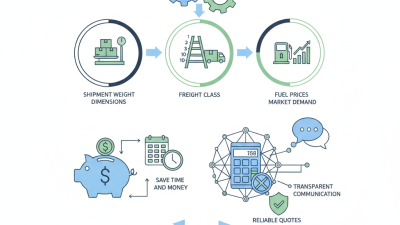
Compare quotes using the same shipment weight, dimensions, freight class, and delivery requirements. A low rate can change when liftgate service, appointment delivery, or limited-access fees are added. Check how the carrier shares status updates and handles damage reports; a photograph of a crushed corner is useful, but clear next steps matter more.

Delays happen. For cross-border freight, confirm which party coordinates documentation and how exceptions are communicated. Service records can help, though past performance never guarantees a smooth delivery. Not every shipment fits neatly into a rate table. Global buyers should weigh consistency, visibility, and support alongside cost when selecting an LTL carrier.

Comparing Carrier Coverage, Services, and Pricing

For global buyers, an LTL carrier’s coverage map matters less than its actual handoff network. Ask which origin and destination regions receive direct service, where shipments transfer between partners, and how exceptions are handled. The World Bank’s 2023 Logistics Performance Index assessed 139 economies across areas including logistics competence, tracking, and timeliness. These are useful questions for carrier reviews: a broad map cannot guarantee clear tracking or dependable delivery. Check sample shipments, including a pallet collected from an industrial park and delivered to a retailer’s loading dock.

Pricing also needs a close read. Compare the same shipment details across quotes: pallet count, dimensions, weight, pickup window, delivery speed, and accessorial charges. Liftgate service, residential delivery, limited-access locations, and reweighs can change the final bill. The 2024 Council of Supply Chain Management Professionals report estimated U.S. logistics costs at $2.3 trillion in 2023, or 8.7% of GDP. That figure covers logistics broadly, not LTL alone, but it shows why small cost differences deserve attention. Request a written rate breakdown and confirm how fuel surcharges and partner handoffs are billed. One caveat: published transit times may hide border or terminal delays. A quote is not a guarantee.

2026 Top LTL Freight Carriers for Global Buyers - Comparing Carrier Coverage, Services, and Pricing

Carrier Network Type Typical Coverage Common Services Transit Planning Range Typical Pricing Basis Best Fit for Global Buyers
National LTL network Broad coverage across the contiguous United States, with service availability varying by origin and destination postal code. Standard palletized LTL, residential and limited-access delivery options, liftgate service, shipment tracking, and expedited options on selected lanes. Often about 2–5 business days for domestic linehaul; remote or low-frequency lanes may take longer. Quote generally reflects shipment weight, freight classification or density, dimensions, lane distance, and accessorial services. Contract rates and minimum charges may apply. Buyers shipping to multiple U.S. regions who value broad lane availability and a consolidated carrier relationship.
Regional LTL network Concentrated in a defined U.S. region or group of neighboring states; coverage is usually strongest within its core service area. Regional pallet freight, scheduled pickup and delivery, limited guaranteed-service options, and local delivery accessorials. Commonly about 1–3 business days within core lanes; out-of-area moves may require an interline partner and additional time. Rates are lane-specific and may be competitive on dense regional routes. Minimum charges, freight class or density, and accessorials affect the final quote. Importers with distribution centers and repeat shipments concentrated in one region.
Cross-border North American LTL U.S.–Canada and selected U.S.–Mexico lanes, typically through border terminals, partner networks, or cross-border service arrangements. Border transfer coordination, customs-document handling support, shipment tracking, and domestic pickup or delivery legs. Allow roughly 2–7 business days for many U.S.–Canada moves and 3–10 or more for U.S.–Mexico moves; customs holds can extend transit. Freight charges are combined with applicable border, brokerage, fuel, and delivery accessorial charges. Duties and taxes are generally separate unless expressly included in the quote. Buyers moving palletized freight between North American suppliers, warehouses, and customers who can provide complete customs information.
Port-to-inland LTL or consolidation provider Selected port, airport, and inland corridors; final coverage may depend on local trucking partners. Deconsolidation, palletized inland delivery, appointment scheduling, and coordination with a separate ocean or air shipment. Varies by port release, terminal handling, customs release, and inland lane; inland transit commonly takes several business days after freight is available for pickup. May include separate origin, terminal, handling, storage, and inland transportation charges. Confirm which services and potential waiting or storage fees are included. Importers receiving freight through a port or airport who need an LTL connection to a nearby warehouse or consignee.
Global forwarding network with LTL partners International origin and destination coordination, with domestic LTL coverage supplied by owned operations or contracted local carriers. Multi-leg shipment coordination, document support, visibility tools, and optional customs brokerage or warehousing depending on the quoted scope. Depends on the full route and mode; obtain separate estimates for international transit, customs clearance, and the domestic LTL leg. Pricing may combine forwarding, handling, customs-related services, and partner-carrier transportation. Request an itemized quote and clarify currency, surcharges, and chargeable weight rules. Buyers seeking one coordination point for international freight and its domestic pallet delivery, especially across multiple countries or modes.

Comparison note: Transit ranges are general planning estimates, not guaranteed delivery commitments. Actual coverage, service availability, transit time, and price depend on the exact postal codes, shipment dimensions and weight, freight classification or density, pickup and delivery requirements, capacity, customs processing, and the carrier’s current tariff or contract. Request a written, itemized quote for each lane.

Selecting an LTL Partner for Cross-Border Shipments

Cross-border less-than-truckload shipping depends on more than a low rate. A suitable carrier should offer reliable service on the specific origin, border, and destination lanes you use. Ask how often freight moves, where it transfers, and how delays are communicated. A pallet that waits overnight at an unfamiliar terminal can disrupt a delivery appointment.

Compare the full shipment process, not just transit estimates. Confirm who prepares and checks shipping documents, who coordinates with your customs representative, and when tracking updates appear. Share accurate pallet dimensions, weight, handling needs, and delivery instructions before pickup. Small details matter. A missing dock appointment or incorrect measurement may trigger extra charges or a missed connection.

Review claims procedures, insurance limits, and proof-of-delivery records before signing an agreement. Ask for clear explanations of accessorial fees, including residential delivery, liftgate service, and storage. Request references or performance data for similar cross-border lanes, then test the service with a manageable shipment. Even a careful plan can overlook a local delay or handoff. That is worth admitting. Build realistic buffer time, and judge the partner by how clearly it reports problems—not only by how confidently it promises speed.