What Are the Top Shipping Container Sizes and Prices?
Choosing the right shipping container starts with dimensions, not price alone. The 20-foot dry container remains a practical option for household storage, machinery, and smaller cargo loads. A 40-foot container offers nearly double the floor length. The 40-foot high-cube version adds extra internal height for bulky cartons and equipment.
Industry reports show why prices rarely stay fixed. Drewry’s World Container Index tracks global spot freight rates for 40-foot containers, not purchase prices. Container xChange publishes market observations for container trading and leasing. These sources help explain regional differences, but they do not replace a local supplier’s quotation. Location matters greatly. A used 20-foot unit near a major port may cost less than a newer unit inland. Delivery, inspection, taxes, modification, and crane unloading can change the final invoice.
The UNCTAD Review of Maritime Transport also highlights the scale and volatility of global container shipping. Port congestion, equipment shortages, fuel costs, and trade imbalances can influence availability. A neat price table can mislead. It may exclude transport and preparation fees. Buyers should check the container’s age, floor condition, door seals, corrosion, and certification markings. Small details matter. A damaged floor can affect loading plans and future use.
This guide compares common shipping container sizes, typical price ranges, and the costs behind them. Figures should be treated as working estimates, not guaranteed offers. Prices change by country, season, condition, and delivery distance. Reliable decisions require current local quotes and a physical inspection whenever possible.
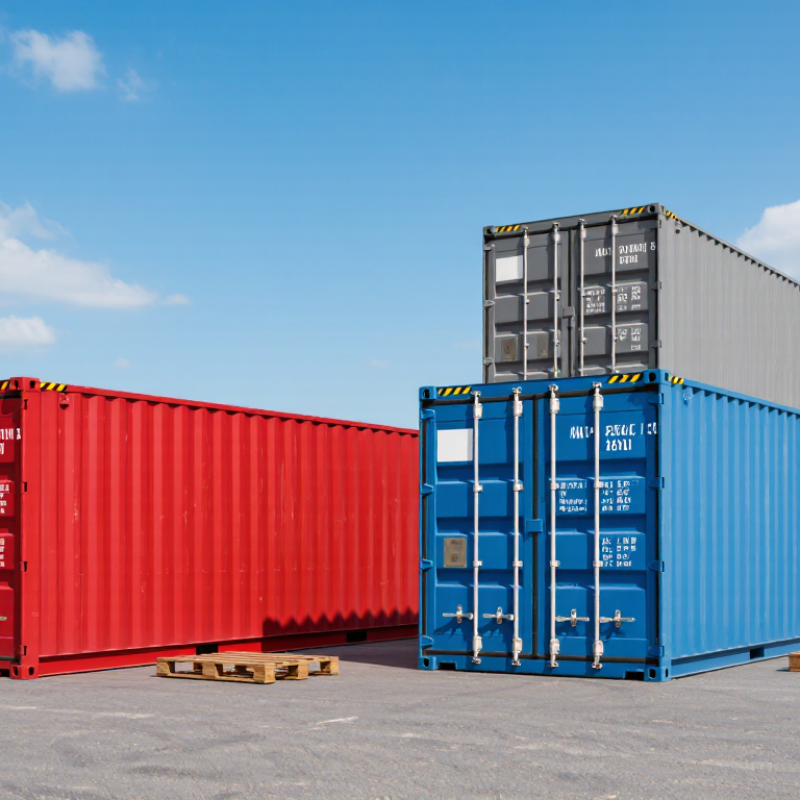
ISO Standard Container Sizes: 20-Foot, 40-Foot, and 40-Foot High Cube
What Are the Top Shipping Container Sizes and Prices?
ISO Standard Container Sizes: 20-Foot, 40-Foot, and 40-Foot High Cube
The 20-foot container remains practical for smaller cargo, workshops, and limited storage areas. Its external length is about 20 feet, with an eight-foot width and standard height. Usable space is roughly 33 cubic meters. In many markets, a used unit costs about $1,500 to $3,500, while a new unit may reach $4,000 or more. Local delivery can change the final price sharply.
A 40-foot container offers nearly double the floor area of a 20-foot model. It usually provides around 67 cubic meters of internal volume. This size suits palletized goods and larger equipment. Used prices commonly range from $2,000 to $5,000. New prices may exceed $6,000. Check the doors, floor, roof, and corner posts carefully. A low price can hide expensive repairs.
The 40-foot High Cube adds about one foot of interior height. Its internal volume often approaches 76 cubic meters, making it useful for tall or bulky cargo. Used units may cost $2,500 to $6,000, depending on condition and location. New units can cost more than $7,000. These figures are only working estimates. I have found that transport, taxes, inspection, and regional supply often matter more than the advertised price. My earlier estimates have sometimes been too optimistic. Surface rust may look harmless, but weakened steel deserves professional inspection.
Internal Dimensions and Capacities: From 33 m³ to 76 m³
What Are the Top Shipping Container Sizes and Prices?
Internal Dimensions and Capacities: From 33 m³ to 76 m³
A standard 20-foot container usually provides about 33 m³ of internal capacity. Its interior measures approximately 5.90 meters long, 2.35 meters wide, and 2.39 meters high. This size suits household equipment, spare parts, and compact commercial shipments. Typical prices range from 1,500 to 3,000 USD for used units. New units often cost more, depending on steel condition and local supply.
A standard 40-foot container offers roughly 67 m³ inside. Its internal length reaches about 12.03 meters, while width and height remain close to 2.35 and 2.39 meters. A 40-foot high-cube model increases height to about 2.69 meters. That creates approximately 76 m³ of capacity. Used prices commonly fall between 2,000 and 4,500 USD. New high-cube units may exceed 6,000 USD before delivery, taxes, or modifications.
Measure twice. Space disappears quickly.
These figures describe empty internal volume, not practical loading space. Pallets, door clearance, packaging, and weight limits reduce usable capacity. I have seen buyers choose a larger unit for volume, then struggle with floor loading and axle limits. That mistake is easy to repeat. Prices also change with location, inspection results, flooring, doors, and transport distance. A reliable quote should include recent photos, internal measurements, condition details, and delivery costs.
Typical New and Used Prices: Comparing $1,500–$6,000 Market Ranges
Shipping container prices usually fall between $1,500 and $6,000, depending on size, age, condition, and location. A used 20-foot container often costs about $1,500 to $3,000. Used 40-foot models may range from $2,500 to $5,000. Larger high-cube units can cost more.
New containers typically sit near the upper end of the market. A new 20-foot unit may cost $3,000 to $4,500, while a new 40-foot high-cube container can reach $6,000. “New” often means a single-use container, not a factory-fresh product. That distinction matters.
Inspect the doors, corner posts, roof, and floor before paying. Rust around the lower rails can signal hidden water damage. Check the door seals with a flashlight. Delivery may add several hundred dollars, especially on narrow streets or difficult sites. Local supply also changes prices quickly. In my experience, buyers often focus on the container price and underestimate transport, unloading, and ground preparation. I have made that mistake myself. A cheaper unit is not always the better purchase. One damaged floor can create repair costs within weeks. Ask for recent photos, measurements, and a written condition report before confirming the order.
Typical Shipping Container Prices by Size
Typical U.S. market estimates show that used shipping containers generally cost less than new or one-trip units. Prices vary by location, condition, availability, delivery distance, and modifications. The approximate market range is $1,500–$6,000 per container.
How Container Type, Condition, Location, and Delivery Affect Prices
What Are the Top Shipping Container Sizes and Prices?
A standard 20-foot container usually costs about $1,500–$2,500 used. New units often range from $2,500–$4,500. A 40-foot high-cube container provides more vertical space. Its typical used price is $2,500–$5,000, while new units may reach $4,000–$7,000. These are practical market ranges, not fixed quotes. A 20-foot box suits heavy machinery. A 40-foot high-cube model fits bulky, lighter cargo.
Condition changes the price sharply. Cargo-worthy units usually have sound floors, working doors, and valid inspection plates. Wind-and-water-tight units may show dents or surface rust. They cost less, but repairs can grow quickly. A 2024 market survey from an independent container-trading data platform reported strong regional price gaps for used equipment. The survey also linked higher prices to limited local supply and repositioning costs.
Location often matters more than size. UNCTAD’s Review of Maritime Transport 2024 recorded continued fleet growth, yet equipment availability remained uneven across trade regions. A box near a major depot may cost less than one moved inland. Delivery can add roughly $300–$1,500, depending on distance, permits, chassis access, and unloading conditions. A crane truck may be necessary. That detail is easy to miss. Buyers should request photos, floor measurements, door tests, and a delivered-price quote. I would also allow a repair reserve; even a clean-looking container can hide warped doors or water entry.
What Are the Top Shipping Container Sizes and Prices? - How Container Type, Condition, Location, and Delivery Affect Prices
Typical 2025–2026 purchase price ranges in U.S. dollars. Actual quotes vary by availability, transport distance, taxes, permits, and local market conditions.
| Container Size |
Container Type |
Condition |
Typical Exterior Dimensions |
Approx. Purchase Price |
Typical Use |
Estimated Local Delivery |
Typical Availability |
| 10 ft |
Standard dry |
Used cargo-worthy |
10' L × 8' W × 8'6" H |
$1,700–$3,000 |
Small storage, tools, and site equipment |
$350–$1,100 |
Limited |
| 20 ft |
Standard dry |
Used wind-and-watertight |
20' L × 8' W × 8'6" H |
$1,500–$3,000 |
General storage and workshops |
$500–$1,500 |
High |
| 20 ft |
Standard dry |
One-trip / nearly new |
20' L × 8' W × 8'6" H |
$2,800–$5,000 |
Secure storage and building projects |
$600–$1,700 |
Moderate to high |
| 40 ft |
Standard dry |
Used wind-and-watertight |
40' L × 8' W × 8'6" H |
$2,000–$4,000 |
Large-volume storage and inventory |
$900–$2,200 |
High |
| 40 ft |
Standard dry |
One-trip / nearly new |
40' L × 8' W × 8'6" H |
$4,000–$7,000 |
Long-term storage and conversion projects |
$1,000–$2,500 |
Moderate |
| 40 ft High Cube |
High-cube dry |
Used cargo-worthy |
40' L × 8' W × 9'6" H |
$2,300–$4,500 |
Oversized cargo and high-volume storage |
$1,000–$2,600 |
Very high |
| 40 ft High Cube |
High-cube dry |
One-trip / nearly new |
40' L × 8' W × 9'6" H |
$4,500–$8,000 |
Building conversions and tall equipment |
$1,100–$2,800 |
High |
| 20 ft |
Refrigerated |
Used, machinery inspected |
20' L × 8' W × 8'6" H |
$8,000–$18,000 |
Temperature-controlled goods |
$800–$2,000 |
Limited |
| 40 ft |
Open-top |
Used cargo-worthy |
40' L × 8' W × 8'6" H |
$4,000–$8,000 |
Tall or heavy cargo loaded from above |
$1,100–$3,000 |
Limited to moderate |
| 40 ft |
Flat rack |
Used, inspected |
40' L × 8' W × 1'–2' H, depending on frame |
$6,000–$15,000 |
Heavy, wide, or irregular machinery |
$1,200–$3,500 |
Limited |
Price factors:
Used containers are generally less expensive than one-trip units, while high-cube, refrigerated, open-top, and flat-rack types usually cost more because of their specialized construction or equipment. Prices tend to be lower near major ports and container depots and higher in inland or remote areas. Delivery commonly adds $500–$3,500, depending on distance, truck type, unloading requirements, permits, fuel costs, and site access.
Important: Exterior dimensions are standardized nominal measurements; usable internal dimensions and maximum payload vary by manufacturer, construction year, and container condition. Delivery estimates exclude taxes, ground preparation, cranes, permits, and unusual access charges.
Choosing the Right Container by TEU Capacity, Cargo, and Total Cost
Choosing the right shipping container starts with cargo, not the lowest advertised price. A standard 20-foot container provides one TEU and about 33 cubic meters of internal space. A 40-foot container provides two TEU and nearly 67 cubic meters. High-cube models add height, which helps with bulky furniture, machinery, or tall cartons.
A used 20-foot container often costs about $1,200–$3,000, while a newer unit may reach $2,500–$5,000. A 40-foot model usually costs more, but the price is not simply double. Local supply, condition, certification, and delivery distance can change the quotation sharply. Rental prices also vary by contract length and storage location.
Total cost includes more than the container itself. Budget for transport, unloading equipment, inspection, taxes, ground preparation, and possible repairs. A low-priced unit may have worn doors, damaged flooring, or poor seals. That bargain can become expensive quickly. Check it carefully.
Cargo weight matters as much as volume. Dense goods may fill a 20-foot container before reaching its space limit. Light, bulky cartons may justify a 40-foot high-cube unit. Measure pallet height and leave working clearance. TEU figures are useful, but they do not show usable loading space perfectly. A practical loading plan should compare dimensions, weight distribution, handling access, and the full delivered cost. Small mistakes happen. Recheck the numbers before booking.