How to Understand LTL Rates for Global Procurement?
Understanding LTL rates is crucial for global procurement. Less-than-truckload (LTL) shipping impacts overall logistics costs. Many businesses struggle to grasp these complexities.
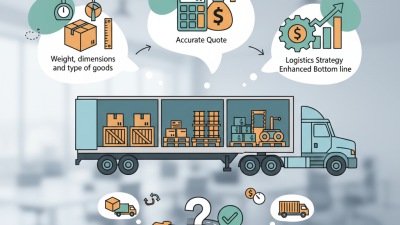
LTL rates often vary based on location and shipment specifics. Understanding factors like weight, dimensions, and freight class is essential. These details can significantly influence the final costs. Companies may find it challenging to navigate these variables. Moreover, unexpected expenses can arise, creating budget uncertainties.
While gaining expertise in LTL rates may seem overwhelming, it's a vital investment. Knowledge ensures better planning and cost management. Deeper insights can lead to smarter procurement decisions. Businesses should prioritize learning about these rates to enhance their global strategies.
Understanding the Basics of LTL (Less Than Truckload) Shipping
Understanding LTL shipping is essential for global procurement. Less Than Truckload (LTL) refers to freight shipments that do not require a full truck. This shipping method accommodates smaller loads, which is more cost-effective for many businesses. According to industry estimates, LTL transportation accounts for about 10% of the total freight market in the United States. This trend reflects the growing demand for efficient logistics solutions.
Many companies struggle to grasp LTL rates. Pricing can vary significantly based on weight, dimensions, and distance. For instance, a 2019 report indicated that shipping costs can increase by 20% or more with every additional 100 pounds over the base rate. Understanding these nuances can lead to substantial savings. Additionally, managing delivery times becomes crucial. Compliance with scheduled pick-up and delivery times is vital. Disruptions can affect overall supply chain efficiency.
Another key consideration is the importance of proper packaging. Inadequate packaging can lead to damages. On average, freight damages happen in about 1% to 2% of LTL shipments. Companies must prioritize quality to minimize losses and ensure reliability. It’s also essential to evaluate carrier performance regularly. Many organizations overlook this, yet consistent evaluation helps identify the most reliable partners in LTL shipping.
Factors Influencing LTL Rates in Global Procurement
Understanding LTL rates in global procurement requires assessing various influencing factors. One key element is distance. Longer shipments generally incur higher costs, affecting freight allocation. Shippers need to gauge routes carefully.
Another factor is the type of goods being transported. Fragile items often require special handling, increasing costs. Weight also plays a crucial role. Heavier shipments usually attract higher rates due to the additional resources required. This opens opportunities for optimization.
Moreover, seasonality can influence LTL rates. Certain times of the year see demand spikes, leading to potential rate increases. This fluctuation requires ongoing analysis. Companies must strategically plan shipping schedules to mitigate costs. Assessing these factors helps in making informed procurement decisions.
Understanding LTL Rates Influences in Global Procurement
How to Calculate and Compare LTL Shipping Costs
Calculating and comparing LTL shipping costs can feel daunting. Start by identifying key factors that influence these rates. Weight, dimensions, and freight class are essential in determining costs. Freight class is a classification based on factors like density and value. For example, lighter items with high value may have higher rates despite their small size.
Next, gather quotes from multiple carriers. This step provides insight into the range of rates available. Don't just focus on the bottom line; consider service levels and reliability. A cheaper rate may lead to longer transit times or hidden fees. Conversely, a slightly higher rate might offer better tracking and fewer delays.
Finally, reflect on past shipments. Analyzing trends can reveal opportunities for cost savings. Consider consolidating shipments or negotiating with providers. Consistently reviewing your freight strategy can lead to significant long-term savings. Expertise is key in navigating these waters effectively.
LTL Shipping Cost Comparison Table
| Carrier |
Distance (miles) |
Weight (lbs) |
Cost ($) |
Transit Time (days) |
| Carrier A |
500 |
1000 |
150.00 |
5 |
| Carrier B |
600 |
1200 |
175.00 |
7 |
| Carrier C |
300 |
800 |
125.00 |
4 |
| Carrier D |
400 |
950 |
140.00 |
6 |
| Carrier E |
700 |
1300 |
200.00 |
8 |
Key Terms and Concepts in LTL Pricing and Billing
Understanding LTL (Less Than Truckload) rates is crucial for efficient global procurement. Key terms in LTL pricing help organizations navigate cost structures. Terms like "base rate," "class," and "accessorial charges" are foundational. The base rate is the initial charge for moving freight. It often varies based on distance and weight.
LTL class is determined by the density and value of the goods. A higher class indicates more valuable or fragile items, leading to increased costs. Accessorial charges include additional fees beyond the base rate. These can stem from special handling or delivery requirements.
It’s essential to recognize that LTL pricing can sometimes feel opaque. Discrepancies in quotes may arise due to different carriers interpreting these terms uniquely. Understanding the intricacies of these terms can enhance decision-making. It’s vital to keep communication clear with carriers. Transparency in pricing can foster a reliable working relationship and ultimately lead to better procurement outcomes.
Strategies for Optimizing LTL Rates and Procurement Efficiency
Understanding LTL (Less-than-Truckload) rates is crucial for global procurement strategies. Procurement teams often face challenges in achieving cost efficiency. A study by Supply Chain Dive indicates that 50% of companies find accurately estimating LTL costs difficult. This ambiguity can lead to budgeting issues.
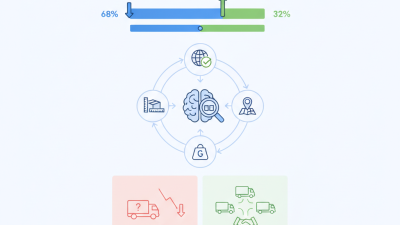
To optimize LTL rates, leveraging technology is key. Many firms are adopting AI-driven analytics to improve rate negotiations. Data from FreightWaves shows that organizations utilizing advanced forecasting can reduce shipping costs by up to 20%. This highlights the importance of real-time data and predictive analytics in procurement processes.
Collaboration with carriers is essential. Establishing long-term relationships can lower rates significantly. According to recent industry reports, shippers that work closely with their logistics partners often enjoy up to a 15% reduction in overall costs. However, it's important to continuously assess these partnerships. Proactively analyzing performance can reveal inefficiencies that need addressing.