What Is an Electric Mountain Bike?
An Electric Mountain Bike, often called an e-MTB, pairs a mountain-bike frame with a battery-powered drive system. Its motor usually assists while the rider pedals, helping on steep climbs and long approaches. It does not remove the work. The rider still steers, brakes, shifts gears, and chooses a suitable line through rocks or roots.
Industry data shows why the category is receiving attention. PeopleForBikes, using Circana retail tracking, reported that U.S. electric-bike sales grew 269% between 2019 and 2022. That figure covers e-bikes broadly, not mountain models alone. CONEBI’s 2023 European market profile reported about 5.5 million e-bikes sold in Europe during 2022. These figures describe a wider market, not proof that every trail rider wants an e-MTB. Not the whole story.
On the trail, the experience depends on details: motor support, battery capacity, tire grip, suspension setup, and total bike weight. A battery can help make repeated climbs manageable, but steep terrain still demands balance and judgment. Range also changes with hills, temperature, rider weight, and assistance level. That matters. Even a clear definition can miss the feel of a heavy bike on a tight switchback, or the confidence it may offer on a long ascent. Understanding what an Electric Mountain Bike is means looking beyond its motor to how its parts work together—and where its added support may not suit a rider’s needs.
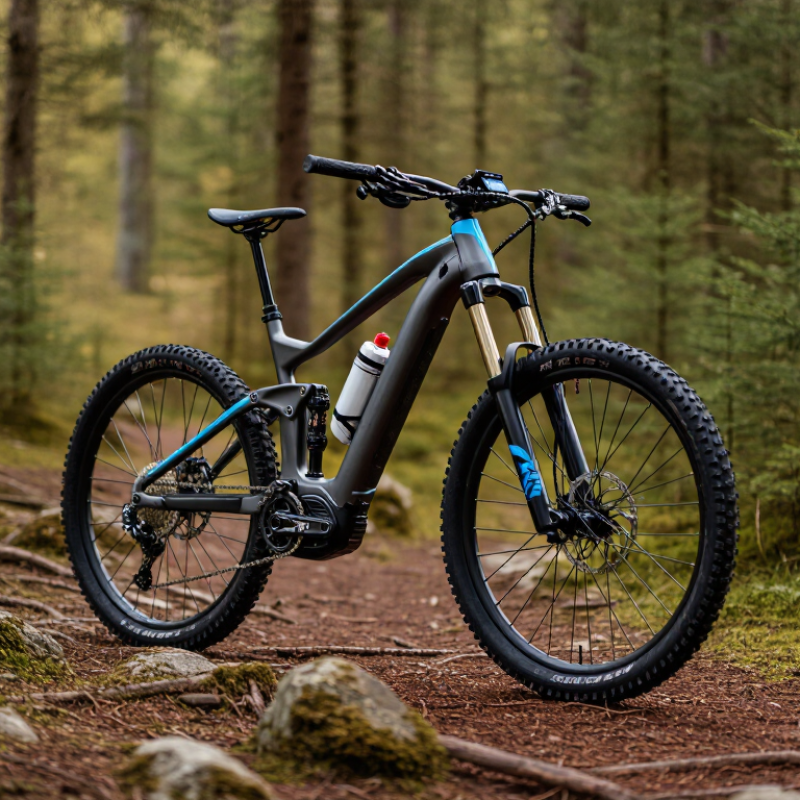
Definition and Purpose of an Electric Mountain Bike
An electric mountain bike, often called an e-MTB, is an off-road bicycle with a motor that assists while the rider pedals. Its rechargeable battery supplies that assistance. Wide, knobby tires, sturdy brakes, and suspension help the bike handle rough ground. The motor does not steer or pick a safe line. The rider still manages balance, speed, and braking. That matters.
An e-MTB’s purpose is to make climbs and longer trail rides more manageable, not to remove the effort of riding. Assistance levels let riders adjust how much support they receive. Actual battery range varies with terrain, rider weight, temperature, and riding style. The category is not perfectly uniform: motor controls, power delivery, and suspension designs differ. Extra weight can also make a bike harder to lift over a fallen branch. Electric does not mean effortless.
Tips: Start with a low assistance level on a familiar trail. Check the battery before setting out, and keep extra stopping distance on loose gravel. If the bike feels heavy or awkward, pause and reassess your pace.
What Is an Electric Mountain Bike?
An electric mountain bike combines mountain-bike features with a motor that provides assistance while riding. In the United States, common e-bike classes are distinguished by how assistance is delivered and the speed at which it cuts off. These limits describe motor assistance, not the bike’s maximum downhill speed; local rules may differ.
Key Components and How They Work
An electric mountain bike combines a conventional bicycle with an electrical assistance system. Its battery, often mounted inside the frame or on the down tube, stores energy for the ride. A motor near the crank or rear wheel adds power when the rider pedals. It does not usually propel the bike independently. The controller is the quiet coordinator. It manages power from the battery and responds to input from sensors.
A cadence sensor detects whether the cranks are turning, while a torque sensor measures how firmly the rider pushes. Depending on the system, assistance may feel steady or closely matched to pedal effort. The handlebar display lets riders select assistance levels and check speed or battery charge. Useful, but not infallible. A range estimate can shift with steep climbs, cold weather, tire pressure, and the rider’s chosen power level. The drivetrain still changes gears to keep pedaling comfortable, while stronger brakes help control the added weight and speed. On loose ground, smooth power matters: an abrupt surge can spin the rear tire. It takes practice. And even a detailed display cannot predict every trail.
Types of Pedal Assistance and Motor Controls
Pedal assistance is the defining control on many electric mountain bikes. A sensor detects pedaling and tells the motor when to help. With cadence sensing, assistance follows crank movement; with torque sensing, it responds to how firmly you push. The latter can feel more connected on a steep, rocky climb. Small differences matter.
Riders usually select assistance levels with handlebar buttons or a display. A low setting gives a gentle push on flat trails and helps conserve battery. Higher levels add stronger support for loose climbs, but can make the bike feel less predictable if power arrives suddenly. Try changing levels on a clear, easy section before tackling technical terrain.
Some models also have a throttle, which can provide motor power without pedaling. Its operation and availability vary, so check the bike’s specifications before riding. Keep your hands near the brakes, especially on narrow trails. A throttle may feel convenient, but it can make careful speed control harder. Motor controls take practice; even an experienced rider may need time to find settings that feel natural.
How E-Mountain Bikes Differ from Conventional Mountain Bikes
What Is an Electric Mountain Bike?
An electric mountain bike adds a battery-powered motor to a conventional mountain bike. The motor assists while you pedal; it does not remove the need to steer, balance, or climb. The biggest difference is feel. On a steep, rocky climb, assistance can help maintain momentum, while the battery and motor add weight. That extra mass can make tight turns and lifting the bike over obstacles more demanding. The trade-off is real.
How E-Mountain Bikes Differ from Conventional Mountain Bikes
A conventional mountain bike relies entirely on your effort. An e-mountain bike adds controls for selecting assistance, plus a battery that needs charging. Motor support can make longer rides or repeated climbs more manageable, but range varies with terrain, rider weight, temperature, and assistance level. Brakes and tires also matter: controlling a heavier bike on loose ground takes care. PeopleForBikes’ 2023 U.S. industry sales analysis estimated about 1.1 million e-bikes sold in 2022, nearly four times the estimated 2019 total. That figure signals growing adoption, not proof that an e-bike suits every trail or rider. It is easy to focus on motor power; handling and ride feel deserve equal attention.
Tips: Before a ride, check battery charge, brake response, and tire pressure. Start with low assistance on a familiar trail. Notice how the added weight changes your braking distance and cornering.
Common Designs, Terrain Uses, and Riding Considerations
An electric mountain bike combines a mountain-bike frame and trail-ready parts with a motor that assists pedaling. Common designs include hardtails, with front suspension only, and full-suspension bikes, which also cushion the rear wheel. Hardtails are often lighter and simpler to maintain. Full suspension can feel calmer on rocky descents, though it adds weight and needs more setup. Neither design is automatically right for every rider.
Terrain matters. On smooth dirt paths and rolling forest trails, a hardtail may feel efficient and predictable. Loose stones, roots, and repeated drops can make rear suspension more comfortable and help the tires stay in contact with the ground. Motor assistance is useful on long climbs, but it does not replace balance or braking skill. A steep, wet climb can still spin the rear tire.
That caught me out once.
Before choosing a bike, consider fit, battery range, and total weight. Range changes with rider weight, hills, temperature, and how much assistance is used, so advertised figures are only estimates. Try lifting the bike and making a slow turn; the extra mass can feel awkward in tight sections. Check that the brakes suit your local trails, and leave room in your budget for tires, brake pads, and suspension service.
Mud happens. So does fatigue.