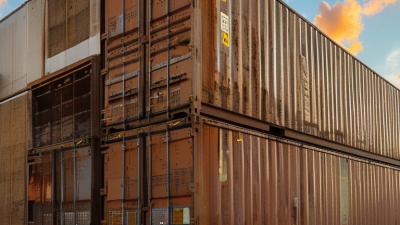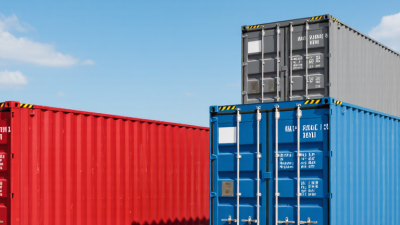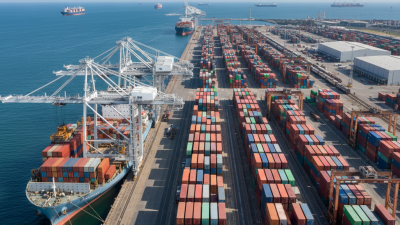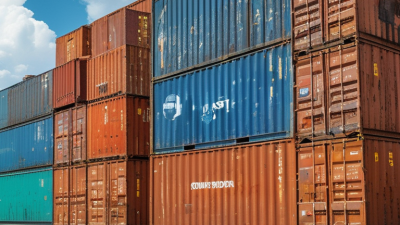
Buying a sea container worldwide looks simple until the details become expensive. A blue steel box may appear identical in a photograph, yet its condition, age, certification, and delivery route can change its real value. UNCTAD’s Review of Maritime Transport 2024 confirms that more than 80% of global trade by volume moves by sea. That scale creates choice, but also creates uncertainty.
This guide, “10 Tips for Buying a Sea Container Worldwide,” focuses on practical decisions before payment. It examines container grades, CSC plates, dimensions, door seals, corrosion, flooring, transport costs, customs documentation, and supplier reliability. A 20-foot standard unit may suit general storage, while a 40-foot high-cube container offers greater internal height. Measure the delivery site carefully. A truck needs turning space, stable ground, and safe overhead clearance.
Small details matter.
Malcolm McLean, the containerization pioneer, once said, “I can’t tell you what the hell to do with this box, but if you leave it alone I can move it.” His observation captures the container’s strength: standardization makes movement easier. It does not make every purchase safe. The International Maritime Organization’s safety framework and the Container Safety Convention remain important references for cargo-worthy units. Still, a checklist cannot replace direct inspection or clear photographs. In some markets, “wind and watertight” may be described too generously. That deserves skepticism. Prices also change with port congestion, steel demand, inland distance, and exchange rates. Use this guide as a disciplined starting point, not a promise of the cheapest deal.
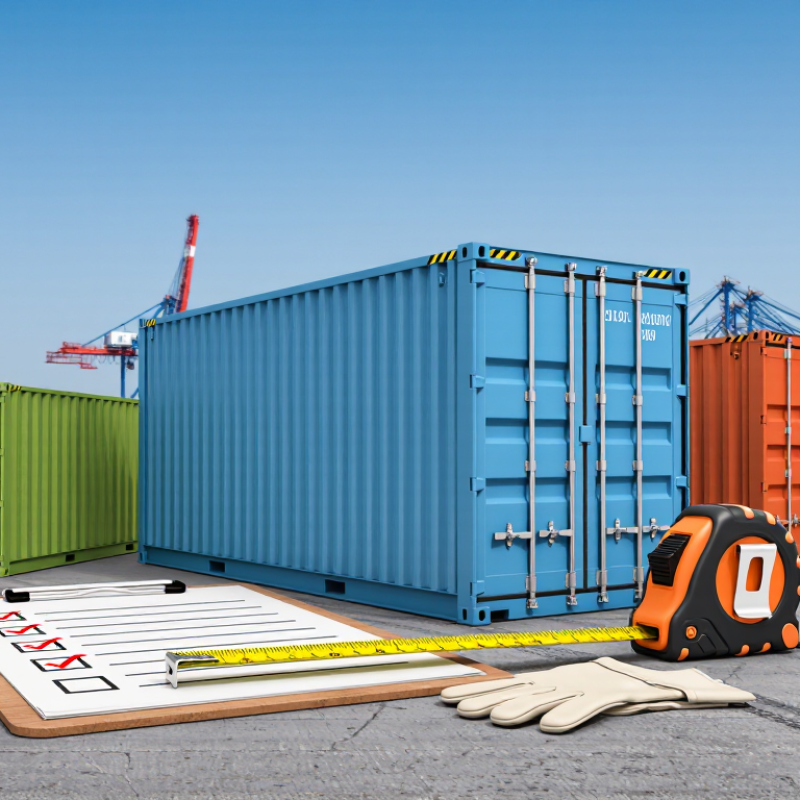
Define your sea container needs before comparing prices or contacting sellers. Decide whether you need storage, international transport, a workshop, or temporary site use. Each purpose affects the container type, condition, and required features.
Measure the largest item, including packaging, before choosing a length. Leave room for safe loading and air circulation. Check door width, ceiling clearance, and the turning space at your property. A standard dry container suits boxed goods and general equipment. Ventilated models may work better for moisture-sensitive materials. Refrigerated units require power, temperature monitoring, and specialist maintenance. Open-top designs can help with tall cargo, but they may provide less protection from weather.
Think about the cargo’s weight, stacking needs, and loading method. A pallet jack needs a reasonably level floor and enough doorway clearance. Inspect used units for severe rust, damaged locking bars, leaking roofs, and warped floors. Ask for recent photos, dimensions, age, inspection details, and the container’s compliance plate. Photos can hide problems. I have learned that a low purchase price may become expensive after delivery, repairs, permits, and site preparation. Check local rules for placement, transport access, and approved use. Some locations require permission even for temporary storage. Write down your needs clearly, but leave space for revision; early assumptions are often wrong.
Buying a sea container worldwide requires more than checking the lowest price. Choose the type around your cargo. Standard dry containers suit cartons, furniture, and machinery. High-cube models add about 30 centimeters of internal height. Refrigerated units protect temperature-sensitive goods but require power and technical testing. Open-top and flat-rack containers handle tall, heavy, or awkward cargo. Measure twice.
Size affects loading efficiency and transport cost. A 20-foot container is easier to place and often suits dense cargo. A 40-foot container offers more volume for lighter goods. Check internal length, door width, and payload limits, not only external dimensions. A small difference can prevent a pallet from entering. I have seen buyers trust advertised volume and overlook the door opening.
Grades and conditions need careful comparison. New, or one-trip, containers usually have cleaner floors and fewer repairs. Used cargo-worthy units may show dents, surface rust, or patched panels while remaining suitable for international transport. Wind and watertight units can protect stored goods, but they may not meet shipping requirements. Inspect the roof, corner posts, door seals, floor, and locking bars. Request recent photographs, inspection records, and the safety approval plate. Ask whether the quoted price includes delivery, lifting, and local charges. My own mistake was assuming “good condition” meant dry and odor-free; it did not. A physical inspection remains wiser than a confident description.
| Tip | Comparison Dimension | Common Option | Typical External Dimensions | Approximate Internal Volume | Typical Payload* | Available Conditions | What to Check Before Buying |
|---|---|---|---|---|---|---|---|
| 1 | Choose the right container type | Standard dry container | 20 ft: 6.06 m L × 2.44 m W × 2.59 m H 40 ft: 12.19 m L × 2.44 m W × 2.59 m H |
20 ft: approximately 33 m³ 40 ft: approximately 67 m³ |
Usually about 28,000 kg, subject to the container's maximum gross weight and transport rules | New / One-trip Used |
Use for general, non-temperature-sensitive cargo. Confirm door operation, floor condition, roof integrity, and CSC approval when the unit will be shipped internationally. |
| 2 | Compare standard and high-cube height | High-cube dry container | 40 ft high cube: 12.19 m L × 2.44 m W × 2.90 m H | Approximately 76 m³ | Often similar to a standard 40 ft unit, but the allowable payload depends on the plate, design, and local road limits | New / One-trip Used |
Choose high cube when extra internal height or volume is important. Check route height restrictions, terminal acceptance, and loading equipment compatibility. |
| 3 | Match length to cargo weight | 20 ft versus 40 ft dry container | 20 ft provides a shorter footprint; 40 ft provides more floor length and volume | 20 ft: approximately 33 m³ 40 ft: approximately 67 m³ |
A 20 ft container can often carry a similar permitted payload to a 40 ft container, making it practical for dense cargo | Cargo-worthy Used |
For heavy goods, calculate cargo weight, axle distribution, and local road limits rather than selecting only by cubic capacity. |
| 4 | Consider specialized container types | Refrigerated, open-top, flat-rack, tank, or side-opening container | Dimensions vary by type; many specialized units are based on 20 ft or 40 ft footprints | Usable volume and clear opening vary substantially by design | Payload is equipment-specific and may be reduced by refrigeration machinery or reinforced structures | New / One-trip Used |
Use a reefer for controlled temperature, an open-top for over-height cargo, a flat rack for oversized loads, and a tank container only for compatible regulated liquids or gases. |
| 5 | Understand condition grades | New / one-trip, cargo-worthy, wind-and-watertight, or as-is | Physical dimensions normally remain standard, but wear and repairs differ | Nominal volume is unchanged; usable space can be affected by dents, lining, or fittings | Always use the maximum gross weight and tare information shown on the safety approval plate | New / One-trip Cargo-worthy Wind-and-watertight |
“Cargo-worthy” generally indicates suitability for international transport after inspection. “Wind-and-watertight” may be suitable for storage but is not automatically approved for ocean shipment. |
| 6 | Verify international shipping eligibility | CSC-plated container | Common ISO sizes include 20 ft and 40 ft units | Depends on the selected type and size | Use the certified maximum gross mass shown on the container plate, not a generic estimate | Cargo-worthy with valid CSC plate | Check the CSC safety approval plate, inspection or examination date, identification number, maximum gross mass, tare weight, and any carrier or destination requirements. |
| 7 | Inspect doors, seals, and flooring | Watertight dry container | Door opening is narrower than the external width and varies by model | Internal dimensions are smaller than external dimensions because of wall, roof, and floor structure | Payload depends on the container plate and cargo distribution | New / One-trip Used |
Open and close every locking bar. Inspect door gaskets, corner castings, roof seams, side panels, and floor boards. Look for daylight, water stains, odor, or chemical contamination. |
| 8 | Check cargo suitability and cleanliness | Food-grade or general-purpose interior | Internal length, width, and height should be measured before loading | Actual usable volume depends on pallets, bracing, lashing points, and cargo shape | Do not exceed the certified maximum gross mass or floor-loading limits | Clean one-trip Clean used |
Request cleaning records when relevant. Confirm that previous cargo, odors, rust, wood treatment, and floor chemicals are acceptable for the intended goods. |
| 9 | Calculate total landed cost | Purchase price plus delivery and handling | Delivery cost depends on size, weight, distance, access, and lifting requirements | Storage and handling costs increase with the number and size of units | Transport regulations may limit payload even when the container itself has a higher rating | Any condition | Include inspection, documentation, inland transport, lifting or crane hire, customs charges, taxes, storage, site preparation, and possible repair costs. |
| 10 | Confirm delivery access and final documents | Delivered-to-site container | Allow additional clearance for the delivery vehicle, turning area, overhead cables, and unloading equipment | Site capacity should account for doors, ventilation, insulation, and internal modifications | Final permissible weight depends on road laws, vehicle limits, and the container's certified rating | Approved for intended use | Measure gates and access roads, prepare a level foundation, confirm unloading method, and obtain the serial number, invoice, delivery receipt, inspection details, and CSC documentation when required. |
*Payload figures are general industry estimates. Always follow the maximum gross mass, tare weight, CSC plate, carrier requirements, vehicle limits, and local regulations for the specific container.
When buying a sea container worldwide, seller credentials deserve more than a polished website. UNCTAD’s Review of Maritime Transport 2024 reports that global seaborne trade exceeded 12 billion tonnes in 2023. That scale attracts reliable suppliers and careless intermediaries.
Tip 1: Request the company’s legal registration, physical address, trading history, and verifiable customer references. Check whether the bank account matches the registered business name. A rushed payment request is a warning. It is not proof of fraud, but it demands scrutiny.
Tip 2: Ask for the container’s identification number, manufacturing plate, and ownership records. Confirm the number matches the seller’s photographs and documents. For export use, check the safety approval plate under the International Convention for Safe Containers. The plate should show inspection or examination details.
Tip 3: Treat condition reports as evidence, not decoration. The International Maritime Organization’s container safety guidance stresses regular examination and structural integrity. Request dated photographs of doors, corner posts, roof, floor, and interior seams. Look for daylight through panels, fresh paint over corrosion, bent locking bars, or wet wooden floors.
Independent inspection is worth the cost. A surveyor can test door seals, measure damage, and record defects before payment. Inspection records should include the container number, inspection date, location, findings, and inspector’s credentials. Do not accept a generic checklist.
One uncomfortable lesson remains: even a genuine report may miss hidden damage. Build a written acceptance condition into the contract, and keep every message, photograph, and document.
Buying a sea container worldwide is less about the advertised price than the final landed cost. A low quote may exclude delivery, inspection, or terminal handling. Ask for a written breakdown showing container condition, size, age, currency, and Incoterm. Then compare like with like. I once focused on the unit price and missed a destination handling charge. That mistake changed the budget.
Calculate ocean freight separately from inland transport. Freight depends on route, season, equipment availability, and port congestion. Request rates for the exact origin and destination ports. Confirm whether the quote includes export documentation, loading, insurance, and demurrage limits. A simple spreadsheet helps: container price, origin fees, freight, insurance, import duty, tax, broker fees, delivery, and unloading. Check twice. Keep a buffer for currency movement and unexpected storage.
Import duties usually depend on classification, customs value, origin, and local rules. Do not guess the tariff code. Ask the customs authority or a licensed broker for a written estimate. Local fees can include inspection, security, appointment, and final-mile delivery charges. Check whether the container meets local safety and transport requirements before payment. Photos are useful, but a recent inspection report is stronger evidence. Rates change. My estimates are still imperfect when port schedules shift, so I review every charge before signing. Reliable buying means verifying assumptions, not trusting a neat total.
Before paying for a sea container, finalize every document in writing. Request a commercial invoice, packing details, ownership information, and inspection records. The invoice should show the container number, condition, price, currency, and delivery location. Check that the seller’s legal details match the payment instructions. Keep digital and printed copies.
Delivery arrangements need equal attention. Confirm the port, unloading method, delivery date, and responsible party. Ask whether the price includes transport, customs handling, storage, and local charges. A container may arrive on a truck that needs clear access and firm ground. Measure the entrance before dispatch. A delivery estimate is not a promise. Weather, port congestion, or missing paperwork can cause delays.
Write the purchase terms in plain language. State the payment schedule, inspection rights, refund conditions, and responsibility for damage during transport. For a used container, define acceptable rust, dents, floor wear, and door condition. Ask what happens if the unit differs from the inspection report. Do not rely on informal messages alone. A signed agreement reduces confusion, though it cannot remove every risk. Review unfamiliar trade terms with a qualified shipping or legal professional before transferring funds.
Finalize Documentation, Delivery Arrangements, and Purchase Terms
The chart shows representative calendar-day planning values for the main stages of an international sea-container purchase. Actual timing depends on container availability, inspection requirements, customs processing, port congestion, inland distance, and the agreed Incoterm.
Fax: (920) 793-3818