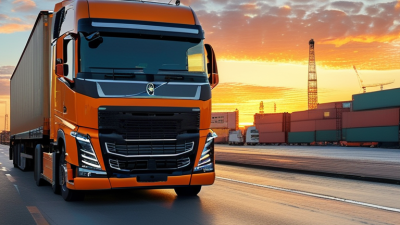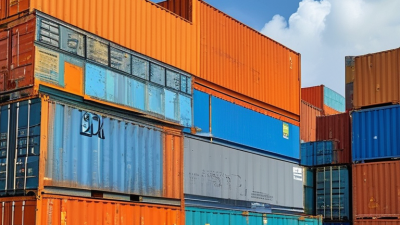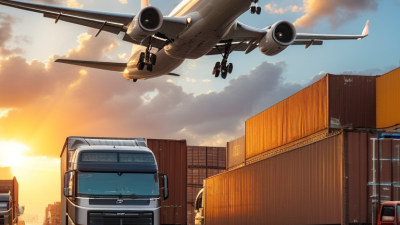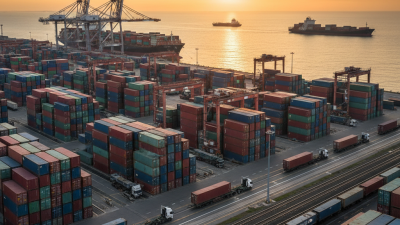
Moving cargo from China rarely means choosing only one transport mode. A shipment may leave a factory by truck, travel inland by rail, cross the sea by container ship, and reach its buyer by road again. When modes connect around the same cargo unit, the journey is called intermodal transportation. The container may change vehicles; the goods usually stay inside it. The handoffs matter.
The scale is substantial. UNCTAD’s Review of Maritime Transport 2024 reports that maritime trade reached about 12.3 billion tons in 2023, up 2.4% from the year before. China’s rail links also offer another option: China State Railway Group reported about 19,000 China–Europe freight train trips in 2024, carrying roughly 2.07 million TEUs. These figures show why shippers compare sea, rail, and road connections. They do not prove that one route is best for every shipment. Not every route wins.
Transport scholar Jean-Paul Rodrigue describes the concept as: “Intermodal transportation involves the use of at least two different modes in a trip from origin to destination” (The Geography of Transport Systems, 5th ed., 2020). This introduction examines how China-origin intermodal routes work, what each mode contributes, and where delays or extra handling can arise. A schedule can look efficient on paper, yet a missed rail connection or congested port may change the result. That is worth remembering. Costs, transit time, cargo type, and service reliability all shape a sound choice.
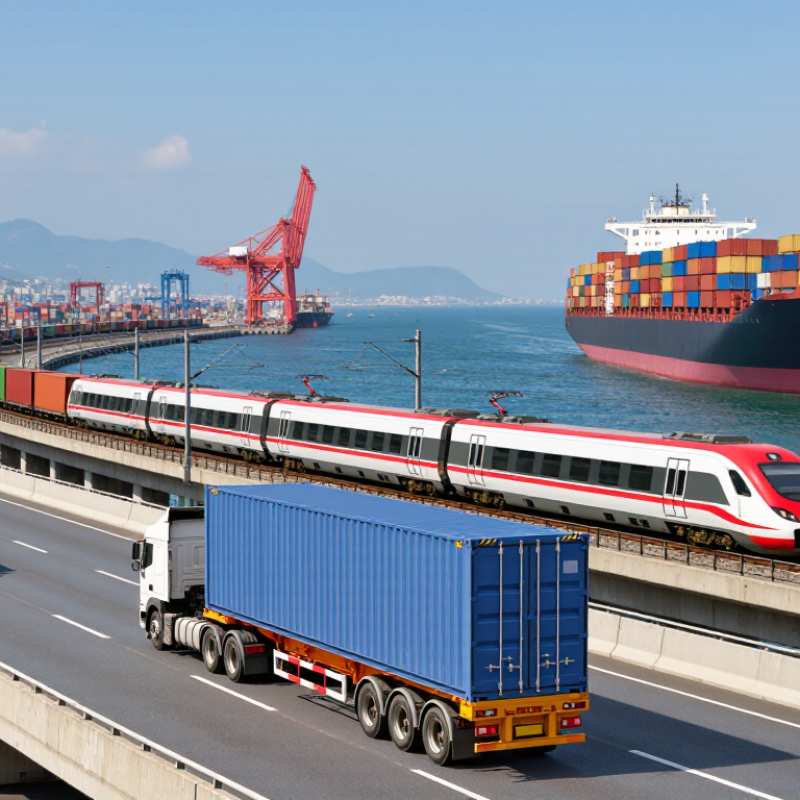
What Is Intermodal Transportation from China?
Definition of Intermodal Transportation from China
Intermodal transportation from China moves one shipment through two or more transport modes. A sealed container may leave a factory by truck, travel by rail to a port, cross the ocean by vessel, then continue by truck or rail. The goods stay inside the same loading unit during transfers. This reduces repeated handling, although it does not remove every delay.
The process normally combines factory pickup, export clearance, terminal operations, ocean transport, inland delivery, and tracking. The carrier or freight forwarder coordinates these stages through connected schedules and documents. A small timing error can still affect the entire route. That is the difficult part.
UNCTAD’s Review of Maritime Transport 2023 states that shipping carries over 80% of global merchandise trade by volume. This explains why ocean transport remains central to China’s international supply chains. The World Bank’s Logistics Performance Index 2023 ranked China 19th among 139 economies, reflecting strong logistics capability but not perfect performance. Ports can face congestion, rail capacity can fluctuate, and weather may interrupt inland delivery. Shippers should compare total transit time, transfer points, cargo value, and delivery reliability instead of choosing only the lowest freight rate. For example, a container moving from an inland manufacturing area may need several hours of trucking before reaching a rail terminal. That practical distance matters.
Intermodal transportation from China moves cargo through several transport modes while keeping it inside one container. A shipment may travel by truck to a Chinese rail terminal, continue by rail, cross the ocean by vessel, then reach its destination by truck again. Each mode has a different role. Trucks provide flexible pickup, rail supports inland movement, and ocean transport handles long distances at lower cost. The container usually stays sealed during transfers, reducing repeated handling and potential damage.
A practical shipment begins with accurate cargo details, packaging checks, and route planning. The forwarder must coordinate terminal cutoffs, rail schedules, vessel departures, customs documents, and final delivery appointments. Small errors can create large delays. For example, an incorrect carton count may hold a container while paperwork is corrected. Intermodal shipping is often more balanced than using one mode alone, but it is not always faster. Weather, port congestion, and missed connections still matter. I have found that the cheapest route can become expensive when storage fees appear unexpectedly.
Tips: Compare the full landed cost, not only the freight rate. Confirm who manages each handoff. Request tracking updates at major transfer points. Leave buffer time around holidays and customs inspections. Keep product descriptions, weights, and invoices consistent. A simple route may look attractive, but a backup plan is useful.
Intermodal transportation from China connects ships, trains, trucks, and inland waterways through coordinated terminals. The main goal is simple: move one container across several transport modes without unloading its cargo.
Coastal ports form the network’s busiest gateways. Shanghai and Ningbo-Zhoushan handle large container flows before cargo moves inland by rail or truck. Qingdao supports northern production areas, while Shenzhen and Guangzhou serve southern manufacturing zones. Along the Yangtze River, river-sea services connect inland cities with coastal terminals. Chongqing, Wuhan, and Nanjing are important transfer points along this corridor. Containers may travel by barge, then continue by ocean vessel or rail.
Inland rail hubs add another layer. Chengdu, Chongqing, Xi’an, Zhengzhou, and Kunming connect factories and distribution centers with domestic and international routes. A typical shipment may leave a factory by truck, reach an inland rail terminal, and continue toward a coastal port. At the port, cranes transfer the container to a vessel. Digital tracking records each handover, but data is not always perfectly synchronized. Small delays still occur.
Road-rail links offer flexibility.
They are useful for time-sensitive cargo and long inland distances. Rail reduces highway pressure and fuel use, while trucks solve the first and final-mile problem. Yet route choice requires practical judgment. Port congestion, seasonal river levels, weather, and terminal capacity can change the best option. Experienced logistics teams compare transit time, transfer risk, equipment availability, and documentation requirements before booking.
Intermodal transportation from China moves freight through two or more transport modes, often without unloading the cargo itself. At origin, a truck collects a container from a factory or warehouse. The container may travel to a rail terminal or seaport, where staff check its number, seal, and booking details. From there, it continues by rail, ship, or a combination of both. Each handoff needs clear scheduling. Plans can shift.
During the journey, the shipment’s tracking updates may come from different carriers or terminals. A port arrival does not always mean the container is ready for collection; document checks, terminal handling, and customs processing can affect release timing. After clearance, a truck or train carries the freight to its final warehouse or delivery point. Confirm who coordinates each transfer, and ask which milestones will be reported. Small gaps in communication can cause avoidable delays.
Tips: Before dispatch, match the container number and seal against the shipping documents. Share accurate cargo dimensions and delivery details. Leave time for transfers, and keep one contact responsible for status updates.
What Is Intermodal Transportation from China?
Intermodal transportation from China moves a shipment by two or more transport modes, often ship, rail, and truck, while keeping the goods in one container. The container may leave a factory by truck, cross the ocean by vessel, then travel inland by rail. Each transfer adds coordination.
Key Factors to Consider When Choosing Intermodal Transportation
Start with the delivery location and required arrival date. A coastal warehouse may suit a sea-and-truck route, while an inland destination could benefit from rail connections. Compare the full door-to-door schedule, not just the advertised ocean or rail transit time. Port queues, customs processing, and local truck availability can all affect delivery. Delays happen.
Check the cargo’s size, weight, and handling needs. Fragile products may need stronger packing because containers can be lifted and repositioned several times. Seasonal goods also deserve extra planning; peak shipping periods can tighten capacity and shift schedules. Ask how each transfer is managed and what shipment updates are available. A clear handoff plan matters.
Compare total costs, including origin transport, terminal handling, documentation, and final delivery. The lowest quoted rate may exclude services your shipment needs. Confirm what is included in writing. Also consider whether the route has practical alternatives if a port or rail connection becomes congested. I would not assume one mode is always faster or cheaper; actual performance depends on the route, season, and shipment details.
| Transport Combination | Typical Use | Indicative Transit Time | Relative Cost | Capacity and Cargo Fit | Key Advantages | Important Considerations |
|---|---|---|---|---|---|---|
| Ocean freight + truck | China-to-overseas shipments where a seaport is connected to the final destination by road | Often about 25–45 days port to destination, depending on route, sailing schedule, and inland delivery | Low to moderate | Suitable for containerized, bulky, and non-urgent cargo; final truck capacity and access rules matter | Broad port coverage and generally economical for large shipments | Allow for port handling, customs clearance, vessel schedules, and possible congestion; confirm who arranges each transfer |
| Rail + truck | China-to-Europe or other destinations served by connected rail corridors | Often about 15–30 days, depending on origin, destination, border procedures, and service schedule | Moderate | Works well for many containerized shipments; availability depends on corridor, terminal capacity, and equipment | Can be faster than ocean freight and less costly than air freight | Check border-crossing and gauge-transfer arrangements, sanctions and regulatory restrictions, and schedule variability |
| Ocean freight + rail | Shipments using a seaport for the main ocean leg and rail for inland movement | Varies widely by route; ocean transit plus inland rail and terminal transfers | Low to moderate | Best suited to containerized cargo moving between ports and rail-connected inland hubs | Can reduce long-distance trucking and provide an efficient link to inland markets | Check rail service frequency, terminal location, container availability, and whether extra handling is required |
| Air freight + truck | Urgent, high-value, or time-sensitive shipments requiring airport-to-door delivery | Often about 3–10 days door to door, subject to flight capacity, customs, and delivery location | High | Most suitable for smaller, lighter, or high-value shipments; cargo restrictions apply | Fast transit and frequent service on many major trade lanes | Compare chargeable weight, fuel and security surcharges, battery or dangerous-goods rules, and airport cut-off times |
| Ocean freight + air freight | Shipments combining a sea leg with an air leg to balance speed and cost | Route-specific; generally between conventional ocean and direct air services | Moderate to high | Useful when cargo can tolerate a longer journey than air but needs to arrive sooner than a full ocean route | May offer a compromise between transit time and transport cost | Extra transfers can add handling and coordination; obtain a complete door-to-door schedule before booking |
| Ocean freight + barge or inland waterway | Port-to-inland movements where navigable waterways provide a practical connection | Route-specific and usually schedule-dependent | Low to moderate | Well suited to heavier container or bulk movements on established waterway networks | Can move large volumes with less reliance on long-distance road transport | Check waterway coverage, seasonal conditions, sailing frequency, and access to the final delivery point |
Planning note: Intermodal transportation moves cargo using two or more transport modes, typically while keeping the goods in the same container or loading unit during transfers. Transit-time ranges are indicative planning estimates, not guarantees; actual timing and cost depend on the origin, destination, route, cargo, service schedule, customs procedures, and current operating conditions.
Fax: (920) 793-3818