What are the Standard Shipping Container Dimensions?
Understanding shipping container dimensions is crucial for anyone involved in logistics or transport. These containers come in various sizes to suit different needs. The most common dimensions include 20-foot and 40-foot containers, but there are other variations as well. Knowing these dimensions helps in planning storage and shipment effectively.
Shipping containers are not just boxes; they are engineering marvels. They are designed to withstand harsh conditions while providing reliable storage. However, miscalculations can lead to several challenges. For instance, improper stacking due to dimension errors can damage goods. Hence, accurate knowledge of shipping container dimensions is vital for efficient operations.
While many resources provide standard sizes, it's essential to verify with suppliers. Sometimes, containers may have slight deviations. This factor can affect logistics planning significantly. Staying informed about these details can help streamline your supply chain, resulting in smoother operations.
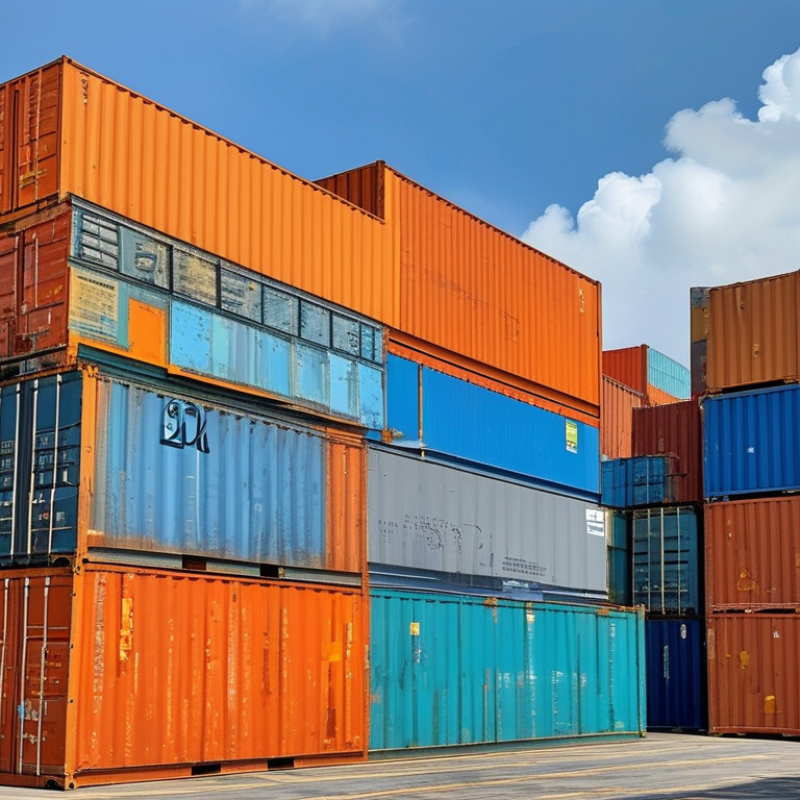
Standard Dimensions of Shipping Containers: An Overview
Shipping containers come in various sizes. The most common dimensions are 20-foot and 40-foot containers. A standard 20-foot container measures 20 feet long, 8 feet wide, and 8.5 feet high. This provides about 1,169 cubic feet of internal space. The 40-foot container, on the other hand, is double the length, and it typically offers 2,385 cubic feet of internal volume. These dimensions are essential for planning cargo transport.
When selecting a container, consider the type of goods you are shipping. For instance, certain items need specific space measurements. A standard height may not be adequate for tall cargo. Reefer units, or refrigerated containers, have slightly different dimensions. They are crucial for transporting perishable goods. Proper understanding of specifications aids in minimizing shipping costs and maximizing efficiency.
Tip: Always measure your cargo before container selection. This can help avoid mismatches. Regularly check industry reports for updates on container specifications. Data from sources like the World Shipping Council highlight the significance of understanding these dimensions. Engaging with updated reports helps ensure your shipping strategy is effective.
Types of Shipping Containers and Their Specific Measurements
Shipping containers come in various types and sizes. Understanding these dimensions is essential for efficient logistics. The most common container is the 20-foot standard container. It measures approximately 20 feet long, 8 feet wide, and 8.5 feet high. This container is ideal for heavy loads and general freight.
Another prevalent type is the 40-foot container, which doubles the length of the standard container. This unit provides more space, measuring around 40 feet in length, 8 feet in width, and also 8.5 feet in height. There are also high cube containers. These add an extra foot in height, offering valuable additional cubic capacity.
Considering the needs of different shipments is crucial. A mismatch in container size can lead to shipping delays and unexpected costs. When selecting a container, factors like weight limit and cargo type should also be evaluated. Remember, shipping containers are not one-size-fits-all. The right choice requires careful thought.
Understanding the Purpose of Different Container Sizes
Shipping containers come in various sizes, serving different purposes in the logistics industry. The most standard sizes are 20-foot and 40-foot containers. According to industry data, the 20-foot container has a volume of about 1,172 cubic feet, while the 40-foot model can hold approximately 2,390 cubic feet. These dimensions play a crucial role in choosing the right container for specific cargo needs.
Understanding the purpose of different container sizes can optimize shipping efficiency. For example, smaller containers are ideal for transporting high-value items that require secure handling. Conversely, larger containers are better suited for bulk goods or less valuable cargo. Miscalculating the required container size can lead to increased shipping costs or logistical delays.
Tip: Always assess your cargo dimensions before selecting a container. Measure the weight and volume of your items. This helps ensure you choose a suitable container size. Smaller containers can be more economical when handling low-volume shipments. Reflect on the balance between space, weight, and cost to make informed decisions.
What are the Standard Shipping Container Dimensions?
| Container Type |
External Dimensions (ft) |
Internal Dimensions (ft) |
Volume (cu ft) |
Max Payload (lbs) |
| 20' Standard |
20 x 8 x 8.5 |
19.4 x 7.7 x 7.9 |
1,169 |
48,000 |
| 40' Standard |
40 x 8 x 8.5 |
39.5 x 7.7 x 7.9 |
2,385 |
58,000 |
| 40' High Cube |
40 x 8 x 9.5 |
39.5 x 7.7 x 8.9 |
2,694 |
58,000 |
| 45' High Cube |
45 x 8 x 9.5 |
44.5 x 7.7 x 8.9 |
3,040 |
67,300 |
Factors Influencing Shipping Container Dimensions
Shipping container dimensions can vary due to multiple factors. One major influence is the type of cargo being transported. Different goods require different amounts of space. For instance, bulk cargo often needs standard-sized containers, while specialized items may demand custom dimensions. Additionally, weight restrictions can shape the dimensions of containers used in shipping.
Another influencing factor is the shipping method. Sea freight typically makes use of larger containers due to available space. Conversely, containers used for air freight are smaller. This variation can lead to inefficiencies if not well-planned.
**Tip:** When selecting a container size, consider both the cargo type and shipment method.
Seasonal demand may also impact container availability and dimensions. During peak shipping seasons, standard dimensions might have limited availability. In such cases, opting for a different size could cost extra time and money. Keeping these points in mind helps to avoid potential delays.
**Tip:** Always confirm the dimensions before finalizing a shipping arrangement.
Standard Shipping Container Dimensions
Global Standards and Regulations for Shipping Containers
Shipping containers are crucial for global trade. Their dimensions are standardized, largely based on the ISO (International Organization for Standardization) regulations. A standard 20-foot container measures approximately 6.06 meters in length, 2.44 meters in width, and 2.59 meters in height. The 40-foot container is double the length, measuring 12.19 meters long, with the same width and height. These specific sizes ensure compatibility across different transportation modes.
Compliance with global standards enhances logistics efficiency. According to a report by the World Bank, standardized container sizes have reduced international shipping costs by approximately 20% over the last decade. However, variability in regional regulations sometimes complicates the situation. For instance, some countries may have additional requirements for loading and securing containers, which can prolong transit times and increase costs. It is essential for logistics companies to stay updated on regional variations.
Moreover, the rise of e-commerce has prompted a reconsideration of container usage. Smaller containers are gaining popularity, while standard sizes still dominate. As demand fluctuates, the challenge lies in balancing efficiency with flexibility. Adapting to changes while adhering to regulations remains a complex issue for industry players.