What is LTL Freight Carriers and How Do They Work?
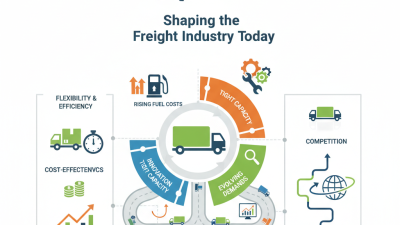
In the realm of shipping and logistics, understanding LTL freight carriers is essential. These companies specialize in transporting smaller loads that do not require a full truckload. They offer a cost-effective solution for businesses with limited shipment volumes.
LTL freight carriers can efficiently consolidate various shipments into one truck. This process minimizes costs and ensures timely deliveries. However, the complexity of managing multiple shipments raises challenges. The risk of delays or damage increases with more handling points. Therefore, companies must choose reliable carriers to mitigate potential issues.
With the growing demand for efficient shipping, LTL freight carriers play a pivotal role. They navigate a web of regulations and logistics challenges. Yet, their services are not without hiccups. Businesses should weigh the pros and cons of using LTL carriers to determine the best logistics strategy for their needs.

What is LTL Freight and Its Significance in Transportation Industry?
LTL freight, or less-than-truckload shipping, plays a crucial role in the transportation industry. This method allows businesses to ship smaller loads that do not require a full truck. Companies save money by sharing truck space with others who need to transport goods. This process reduces shipping costs and makes it easier for small to medium businesses to compete.
For shippers, LTL is significant because it offers flexibility. You can easily adjust shipment sizes and schedules based on demand. Additionally, LTL carriers often provide tracking services. This transparency builds trust and keeps customers informed. However, delays can occur when multiple stops are involved, and communication is key in those situations.
Consider carefully packaging your items to prevent damage during transit. Mixed shipments can lead to misunderstandings, so clarity in labeling is essential. Be aware of weight limits and size restrictions. Researching your options helps in selecting the right carrier. Efficiency is not just about speed but also about reliability and cost-effectiveness. Each decision can impact your bottom line significantly.
Understanding the Cost Structure of LTL Freight Carriers
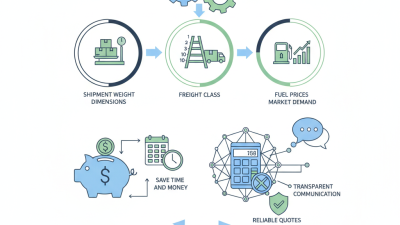
LTL (Less Than Truckload) freight carriers are essential for businesses that need to ship smaller quantities of goods. Understanding their cost structure can help optimize shipping expenses. LTL shipments are charged based on weight, distance, and freight class. Each of these factors can significantly impact overall shipping costs.
Freight class refers to the type of goods being shipped. It considers density, stowability, and liability. A higher freight class indicates more costs due to increased risk during transportation. Knowing the classification can prevent unexpected charges. Analyze your inventory regularly. Reducing unnecessary weight can lower costs.
When working with LTL carriers, anchoring costs involves both base rates and accessorial charges. Accessorial fees may stem from services like loading and unloading. Always clarify these potential extra charges with your carrier. Preparing your freight correctly can help dodge additional fees. Ensure proper packaging and accurate weight recordings. Small mistakes might lead to disputes and unplanned costs.
Optimal planning is crucial. If possible, consolidate shipments to increase weight per load. This helps maximize the use of LTL carrier capabilities. Understanding the intricacies of LTL costs often requires experience. Stay informed about market changes to leverage better shipping options. Adjustments might be necessary as new challenges arise.
Key Players in the LTL Freight Carrier Market: A Statistical Overview
The LTL (Less-Than-Truckload) freight carrier market features a range of key players. These companies specialize in transporting small freight loads. They cater to businesses needing cost-effective shipping solutions. The competition among carriers drives improvements in efficiency and service quality.
Market data indicates that many LTL carriers are adapting to technological advancements. These include tracking systems and advanced routing software. While some carriers excel in reliability, others struggle with delays and cargo handling. Statistical trends showcase that customer expectations are rising. This places pressure on carriers to invest in better infrastructure and training for staff.
Industry reports highlight the importance of understanding market dynamics. Analyzing carrier performance reveals gaps in service that can impact businesses. Customers need to assess carriers based on their unique needs. Choosing the right LTL provider can lead to smoother operations. However, relying on statistics alone may not tell the full story. Consider real-world experiences and insights when selecting a carrier.
LTL Freight Carriers Market Share by Segment (2023)
Process of LTL Shipping: From Pickup to Delivery Explained
LTL (Less Than Truckload) shipping is a vital process in logistics. It bridges the gap when you don't have enough freight to fill an entire truck. The journey begins with scheduling a pickup. Usually, a freight carrier sends a truck to your location to collect your goods. The loading process is crucial. Items must be carefully loaded to prevent damage during transport.
Once your shipment is loaded, it heads to a terminal. Here, it may sit for a short time before being consolidated with other shipments. This part of the process can sometimes cause delays, especially during busy periods. Monitoring your shipment’s progress is essential, as unexpected issues can arise. Communication with your carrier can provide peace of mind.
Delivery is the final step. The freight arrives at its destination, where it is unloaded by the driver. Some items may require special handling, adding to the complexity. You may find that delivery windows aren't always precise. Factors like traffic or weather can affect timing. Understanding these nuances helps manage expectations in LTL shipping. Transparency and communication can assist in mitigating any potential disruptions.
Current Trends and Future Outlook for LTL Freight Services
The LTL freight sector is evolving rapidly. Recent industry reports reveal that the demand for Less Than Truckload (LTL) services grew by 6% in 2022. This growth is driven by the rise of e-commerce and the need for more flexible shipping options. Many businesses are seeking cost-effective solutions to transport smaller shipments, rather than filling an entire truck. The trend shows no signs of slowing, with projections indicating continued growth in the coming years.
Sustainability is becoming increasingly important in LTL freight services. A study from a leading logistics organization found that 70% of shippers prioritize environmentally friendly practices when selecting carriers. Companies are investing in energy-efficient fleets and optimizing routes to reduce emissions. However, there are challenges. High fuel prices and the unpredictability of global supply chains put pressure on LTL carriers. They must adapt quickly while maintaining efficiency.
Data also shows that technology plays a vital role in optimizing LTL operations. Many carriers are adopting advanced tracking systems, utilizing AI for route optimization, and improving customer service. This tech integration is crucial but can be complex and costly for smaller carriers. Balancing innovation with affordability is a critical issue in the sector. The future of LTL freight will depend on successfully navigating these challenges while meeting market demands.
What is LTL Freight Carriers and How Do They Work? - Current Trends and Future Outlook for LTL Freight Services
| Dimension |
Current Data |
Future Outlook |
| Market Size (2023) |
$70 Billion |
$85 Billion by 2028 |
| Average Cost per Shipment |
$500 |
Expected to increase by 3% annually |
| Average Transit Time |
3-5 days |
Potential reduction to 2-4 days with efficiency improvements |
| Freight Volume Growth Rate |
5% annually |
Projected to reach 7% with e-commerce expansion |
| Technology Adoption Rate |
50% |
Expected to increase to 75% with digital transformation |