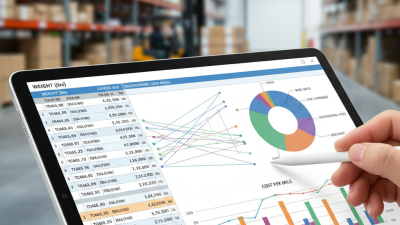
Why Are LTL Rates So High for Global Buyers? Global buyers often see a modest pallet become an unexpectedly expensive shipment. The invoice may show a base quote, yet accessorial charges can change the final cost. In practical freight reviews, the main drivers are clear: distance, density, freight class, fuel, handling, and delivery conditions. A lightweight crate occupying valuable trailer space may cost more than its weight suggests. Residential delivery, liftgate service, limited receiving hours, and remote destinations can add further charges. Cross-border moves introduce documentation, terminal transfers, currency changes, and possible customs delays. These factors do not make every quote reasonable. They do explain why ltl rates can differ sharply between lanes, carriers, and service levels.
Reliable analysis starts with shipment details, not a generic online calculator. Buyers should compare dimensions, actual weight, packaging quality, origin, destination, and required delivery date. Carrier contracts and tariff rules also matter. A freight professional can verify classification, request an itemized quote, and check whether accessorial fees are realistic. Still, estimates are imperfect. A pallet can be reweighed, reclassified, or measured at a terminal. That unpleasant surprise deserves attention. Better planning means photographing packed freight, confirming dock access, and asking who pays for inspection-related changes. The goal is not simply finding the lowest number. It is choosing transparent service that protects delivery reliability, landed cost, and operating plans. Some savings look attractive until delays consume them.
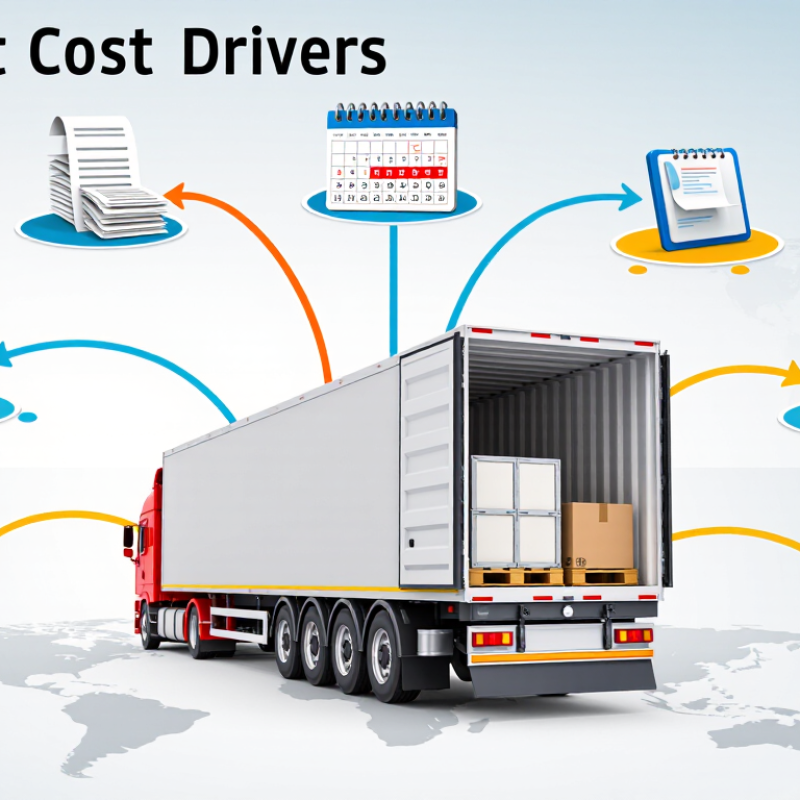
LTL means less-than-truckload shipping. Your freight shares trailer space with other shipments. This can suit buyers who need pallets moved without filling an entire truck. However, shared space creates more handling points. A pallet may pass through several terminals before delivery.
LTL rates often rise because carriers price more than weight. They assess pallet dimensions, freight class, delivery distance, and handling difficulty. Residential delivery, liftgate service, limited receiving hours, and appointment requests may add fees. For global buyers, the cost can increase after ocean arrival. Port drayage, customs clearance, warehouse transfers, and domestic LTL delivery may all appear separately. A low international quote can therefore hide an expensive final mile.
Accurate measurements matter. A pallet listed as 48 inches high may become 54 inches after wrapping. That difference can change the rating. Buyers should provide commodity details, packaging photos, delivery requirements, and the complete destination address. Comparing only the base rate is risky. Compare the full landed cost instead. In practice, shipment consolidation often helps, but it can also delay inventory. That trade-off deserves an honest review. Small buyers sometimes choose LTL for flexibility, then discover that repeated handling damages weak cartons. Strong packaging and clear labels reduce that risk. The process is not always neat. Yet better data usually makes the final invoice more predictable.
LTL pricing often rises because freight occupies space inefficiently. Freight class reflects density, handling difficulty, stowability, and liability. The National Motor Freight Traffic Association’s classification framework shows this clearly. Freight weighing 50 pounds per cubic foot may qualify for class 50. Freight below two pounds per cubic foot can reach class 300.
That gap matters. Consider a 48-by-40-by-40-inch crate weighing 400 pounds. Its volume is about 44.4 cubic feet, producing roughly 9 pounds per cubic foot. Under the NMFTA density scale, that density can fall near class 100. A smaller, denser shipment may receive a much lower class and a better rate.
Density is only part of the calculation. The 2024 State of Logistics Report continues to identify trucking capacity, labor, and operating costs as major transportation-cost pressures. LTL carriers also price dock handling, reclassification risk, appointment requirements, and limited trailer space. Poor packaging can increase the measured cube. It can also create unstable pallets.
Small errors become expensive. A buyer may report product dimensions from a catalog, not the packed shipment. That assumption is easy to miss. Reweighing and reclassification charges can then appear after delivery. I have seen teams focus on negotiated discounts while ignoring density data. That approach feels efficient, but it often leaves money on the dock.
LTL rates often rise because a shipment moves through several hands before reaching its destination. A carrier may collect pallets from a supplier, transport them to a regional terminal, and transfer them again. Each touch adds labor, equipment use, scheduling, and liability. A small shipment may occupy little trailer space but require nearly the same handling effort as a larger one.
Pickup conditions can also change the final price. A loading dock usually speeds collection. A remote facility, limited hours, or no forklift may require extra equipment or waiting time. Terminal transfers create another cost layer, especially when freight needs sorting, relabeling, or temporary storage. These charges are sometimes missed in early quotes. That can make an attractive rate feel misleading later. Shipment records often reveal that the problem is not distance alone.
Tips: Provide accurate dimensions, weight, pallet count, pickup hours, and access details. Ask whether the quote includes pickup, terminal handling, fuel adjustments, and delivery appointments. Use sturdy, clearly marked packaging to reduce rehandling delays. Compare the complete landed cost, not only the base transportation rate. A lower quote can become expensive after corrections. Even experienced buyers sometimes underestimate handling complexity. Review the invoice against the original shipment facts before approving payment.
Customs requirements often create the largest surprises. Carriers need accurate commercial invoices, product descriptions, tariff classifications, and country-of-origin details. Missing or unclear information can delay a shipment and create storage or inspection charges. Duties and taxes may also be calculated separately from the quoted freight rate. The final invoice can therefore exceed the original estimate.
Shipment measurements matter too. A pallet that is taller, wider, or heavier than reported may be reclassified. Residential delivery, limited loading access, or liftgate service can add local fees. In my logistics experience, buyers often compare base rates without checking these accessorial charges. That approach is understandable, but incomplete.
Even experienced teams sometimes rely on outdated measurements or uncertain customs data. A practical review should confirm pallet dimensions, delivery conditions, Incoterms, required documents, and who pays each border-related charge. Clear records do not remove every cost, but they reduce avoidable surprises and support more reliable budgeting.
LTL rates become expensive when market conditions reduce usable capacity, not simply when freight travels farther. The 2024 State of Logistics Report estimated U.S. business logistics costs at $2.3 trillion, equal to 8.7% of GDP. That scale matters. When warehouses handle smaller, irregular shipments, terminals manage more touches per pallet. Each touch adds labor, scanning, staging, and damage exposure.
Density is the key variable. A dense pallet moves efficiently; a light carton may occupy similar trailer space. Residential delivery, liftgate service, limited receiving hours, and appointment requirements create extra costs. Reclassification and inaccurate dimensions create more surprises. During peak retail periods, carriers protect dock space for predictable freight. Global buyers may then face higher minimum charges, longer transit buffers, or fewer routing options. Fuel still matters. The U.S. Energy Information Administration recorded average retail diesel prices near $3.76 per gallon in 2024.
Cross-border imbalance makes the equation harder. Import-heavy markets may have full inbound equipment but weak outbound demand. Empty repositioning then becomes part of the price. Rate tables often hide this pressure. Ask for the freight class basis, cubic density, accessorial history, and delivery constraints. Compare billed weight with actual dimensions. It is not always clean. Data can be incomplete, and a cheaper quote may exclude terminal or residential fees. Buyers should test normal, peak, and failed-delivery scenarios before approving a rate.
| Market Condition | Relevant Data Dimension | Typical Market Signal | Effect on LTL Cost | Why Global Buyers Pay More |
|---|---|---|---|---|
| High diesel prices | Weekly diesel price index and fuel-surcharge schedule | Fuel surcharges are adjusted when diesel prices move above or below the carrier's base-price threshold. | Higher line-haul total | LTL networks make multiple pickups, terminal transfers, and deliveries, so fuel affects more cost components than a simple point-to-point move. |
| Low shipment density | Freight density = weight in pounds ÷ cubic feet | Bulky freight with relatively low weight occupies trailer and terminal space inefficiently. | Higher freight class and rate | International packaging often uses protective materials, increasing cubic volume and reducing the number of shipments that fit in a trailer. |
| Freight reclassification or reweighing | Declared weight, dimensions, density, freight class, and packaging condition | The measured shipment differs from the information on the original bill of lading. | Unexpected invoice increase | Small errors in carton dimensions or pallet weights can change the rating basis after the shipment enters the network. |
| Cross-border customs requirements | Commercial invoice, harmonized tariff code, country of origin, customs value, and broker instructions | Incomplete or inconsistent documents create holds, inspections, or additional processing. | Additional handling and delay costs | A cross-border LTL shipment may require customs coordination, transfer handling, and additional communication between transport parties. |
| Unbalanced freight lanes | Outbound and inbound shipment volume by origin-destination pair | A lane has much more freight moving in one direction than the other. | Higher rates on weak backhaul lanes | Carriers price in repositioning, empty miles, and lower equipment utilization when return freight is limited. |
| Peak-season capacity pressure | Shipment volume, available trailer space, terminal workload, and tender acceptance | Retail replenishment, holiday ordering, harvest activity, or promotional campaigns increase demand. | Reduced discounts and higher accessorial risk | Limited terminal and line-haul capacity gives carriers less flexibility to accept irregular international shipments. |
| Residential or limited-access delivery | Delivery location, dock availability, appointment requirement, and liftgate need | The consignee cannot receive freight at a standard commercial dock. | Fixed accessorial charges | Extra equipment, appointment scheduling, manual handling, and longer delivery times increase the carrier's service cost. |
| Port, terminal, or border congestion | Transit time, dwell time, terminal throughput, inspection frequency, and appointment availability | Freight spends longer waiting for transfer, clearance, or delivery appointments. | Higher total landed logistics cost | Delays increase handling, storage, appointment, and service-recovery costs, even when the base LTL rate remains unchanged. |
| Small shipment size | Pallet count, shipment weight, cubic volume, and pickup frequency | One or two pallets move infrequently instead of being consolidated into a fuller shipment. | Higher cost per pallet | Pickup, terminal processing, documentation, and delivery costs are spread across fewer units of freight. |
Fax: (920) 793-3818