Choosing the right sea container supplier can shape your shipping costs, cargo safety, and delivery schedule. For global buyers, the decision involves more than comparing online prices. Container condition, certification, stock availability, and after-sales support deserve equal attention.
This guide reviews ten leading sea container suppliers for international purchasing needs. It considers new, used, and refurbished units, including 20-foot, 40-foot, high-cube, refrigerated, and specialized models. Practical checks matter. Buyers should examine CSC plates, corner castings, door seals, wooden floors, and visible corrosion before confirming an order. A reliable supplier should provide clear photographs, inspection records, specifications, and realistic shipping estimates.
Small details matter.
Experience also reveals limitations. A supplier may offer excellent containers but weak delivery coordination in a distant region. Another may quote less while adding handling, storage, or inland transport charges later. No supplier is perfect, and advertised availability can change quickly. Buyers should verify current stock, warranty terms, payment conditions, and port arrangements in writing.
The companies discussed here were selected through practical purchasing criteria, not promotional claims alone. Their reputation, product consistency, export experience, and communication standards all influence the ranking. Still, regional performance may differ. A supplier serving European ports efficiently may not provide the same advantage in Africa, Asia, or South America. Use this overview as a starting point, then request inspection evidence and a detailed quotation before making a final decision.

10 Best Sea Container Suppliers for Global Buyers?
What Defines a Reliable Sea Container Supplier?
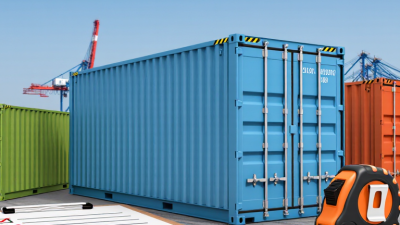
A reliable sea container supplier provides more than a low quotation. They understand cargo needs, shipping routes, and local delivery limits. Their team should explain container grades, dimensions, age, and previous use in clear language. Small details matter. Ask for recent inspection photos, not only polished catalog images. Check the doors, rubber seals, corner castings, floor, roof, and visible corrosion. A serious supplier should also provide traceable identification and valid inspection documents where required.
Communication reveals operational experience. Reliable suppliers confirm stock before accepting payment. They explain loading dates, transport arrangements, and possible delays without vague promises. Their quotation should separate the container price, inland delivery, handling, taxes, and other charges. That clarity helps global buyers compare suppliers fairly. Ask hard questions. How are damaged units handled? Who pays when the delivered condition differs from the agreement? Written answers are stronger than friendly assurances.
Independent inspection can protect a buyer, especially when purchasing remotely. A qualified inspector can photograph weak flooring, leaking roofs, or misaligned doors before shipment. Even experienced buyers can miss problems when reviewing images quickly. No container is perfect. Minor scratches or surface rust may be acceptable, while structural damage is not. A dependable supplier describes these differences honestly and offers practical after-sales support. I would value accurate condition reports over impressive promises, even when the report makes the sale less attractive.
Choosing among the 10 best sea container suppliers requires more than comparing prices. Buyers should examine quality, certification, and inspection records before placing an order. A reliable supplier provides the container’s identification number, manufacturing year, dimensions, maximum gross mass, and payload. These details should match the physical unit.
Check compliance with the International Organization for Standardization standards for dimensions, corner castings, and handling strength. The Container Safety Convention (CSC) safety plate is essential for international transport. Confirm its expiry date and verify that the number matches the container. Ask for recent inspection reports, repair records, and clear photographs. Certification alone is not enough.
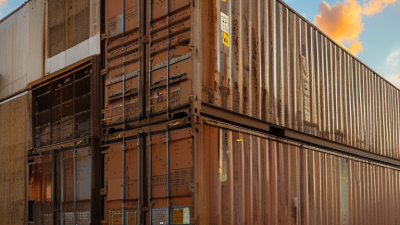
Inspect the doors, hinges, locking bars, roof, floor, and corner posts. Look for daylight through seams, soft flooring, deep rust, and fresh paint hiding repairs. A simple interior light test can reveal small leaks. The floor should feel firm underfoot, without oil stains or chemical odors. Ask whether the container is cargo-worthy, wind-and-watertight, or suitable only for storage. These terms are not interchangeable.
Request an independent inspection before shipment when the purchase value is significant. Check dimensions at the depot, not only in a catalog. A clean exterior can mislead. I would also compare the serial number on every document. Suppliers may provide accurate information, yet small clerical errors still occur. That is where careful buyers need to slow down. Reliability comes from traceable evidence, consistent communication, and a container that performs as promised in real handling conditions.
Global buyers can find strong sea container suppliers through audited trade directories, port logistics networks, and referrals from freight forwarders. Regional manufacturers near major ports often offer better pricing and faster delivery. However, low prices can hide repair costs, inland transport fees, or weak documentation.
A dependable supplier should provide clear photos, container numbers, production dates, and inspection records. Ask for the CSC safety plate, wind and watertight test results, floor condition, and door seal details. For used units, request a third-party inspection before payment. One dent may be harmless. A twisted frame is not.
Compare at least ten suppliers using the same checklist. Check export experience, response speed, payment terms, delivery estimates, and after-sales support. Confirm the container size, grade, color, and destination port in writing. Suppliers who avoid precise answers deserve caution. Perfect service is rare. Even an experienced buyer can overlook local handling charges or seasonal port delays. A small trial order may reveal more than polished sales material. Choose evidence over promises, and verify every detail before the container leaves the yard.
Where global buyers can find the best container suppliers often begins with comparing the container formats they can source. The chart below shows approximate nominal internal volume for widely traded sea-container types, helping buyers match supplier offerings with cargo requirements.
Values are approximate internal volumes in cubic metres and may vary slightly by manufacturer, door configuration, insulation, and container specification.
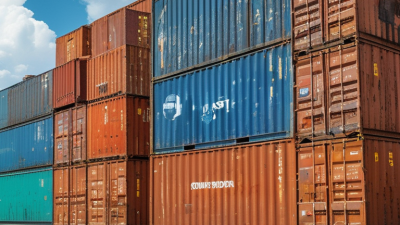
Comparing ten sea container suppliers requires more than checking the lowest quotation. In buyer-side evaluations, a low price often excludes inspection, inland transport, or export documentation. New containers usually cost more, but they offer cleaner floors, tighter doors, and fewer repair concerns. Used units can save money. Their condition varies widely, even within the same listed grade. Ask for recent photos, production dates, corner-casting details, and a written damage report.
Customization separates capable suppliers from simple resellers. Common options include extra ventilation, shelving, side doors, insulation, flooring, and approved locking systems. Request drawings before production begins. Small changes can affect container strength, lead time, and freight costs. Some suppliers explain these impacts clearly; others provide vague estimates. That is a warning sign. My own comparisons are not perfect, because regional labor rates and steel prices change quickly.
Delivery service also deserves close attention. Compare factory loading, port handling, customs paperwork, tracking, and final-site unloading. A supplier offering door delivery may still depend on a local carrier. Confirm truck access, crane requirements, delivery windows, and insurance responsibilities in writing. Reliable suppliers provide milestone updates and realistic schedules, rather than promising the fastest arrival. Delays happen. Clear communication matters more than confident advertising. Use a landed-cost worksheet, not just a unit-price table.
Choosing a sea container supplier requires more than comparing online prices. Market fit matters.
Start with container specifications. Confirm dimensions, payload, door condition, flooring, ventilation, and corrosion levels. A 20-foot standard unit may suit one route, while a high-cube unit may serve another. Ask for recent inspection photos, serial records, and independent survey options.
Documentation deserves equal attention. Reliable suppliers provide clear invoices, packing lists, ownership records, and transport details. They should understand port procedures in your destination market. Check whether containers meet recognized international safety requirements. Local customs rules may also affect release times and storage costs.
Communication reveals practical reliability. Test response speed before placing an order. Ask how damaged units are handled and who pays for unexpected repairs. A supplier offering inspection access usually inspires more confidence than one avoiding specific answers. Still, promises are not proof. Verify references, payment terms, stock locations, and delivery schedules independently.
Small details can change the final cost. A container stored far from your port may need expensive inland transport. Salt air can worsen surface rust during long storage. A cheap unit may become costly after repainting, floor replacement, or delayed delivery.
Perfection is unlikely. Even careful suppliers can face weather, port congestion, or equipment shortages. The real question is how openly they report problems and correct them. A written agreement should define quality, acceptance, delivery, and refund conditions before money changes hands.
Comparison framework based on container specifications, procurement requirements, compliance expectations, and typical international sourcing conditions.
| Rank | Anonymous Supplier Profile | Typical Product Range | Core Technical Requirements | Typical Production Lead Time | Indicative MOQ | Typical Payload Range | Compliance Documents to Request | Best Market Fit |
|---|---|---|---|---|---|---|---|---|
| 1 | High-volume standard-container manufacturer Export-focusedCost efficient |
20-foot dry containers 40-foot dry containers 40-foot high-cube containers |
ISO 668 dimensions CSC safety approval Weather-resistant corten steel Forklift pockets and corner castings |
25–45 days After drawing and specification approval |
20–50 units Depending on configuration |
Approximately 28–30 metric tons Subject to tare weight and local road limits |
CSC plate and certificate ISO documentation Welding and coating inspection records Packing list |
Importers seeking competitive pricing for regular dry-cargo fleets and overseas distribution. |
| 2 | Rapid-replenishment regional supplier Shorter transitStock availability |
Used and new 20-foot units 40-foot units High-cube units |
ISO-compatible dimensions CSC validity for cargo transport Inspection grading for used equipment Door and floor condition checks |
7–21 days For stocked units |
1–10 units For available inventory |
New units commonly support up to 28–30 metric tons; used units vary by condition | Current CSC evidence Condition report Photographs Repair history Interchange documentation |
Buyers needing urgent replacement equipment or small quantities near major ports. |
| 3 | Refrigerated-container specialist Cold chainTemperature control |
20-foot refrigerated containers 40-foot high-cube refrigerated containers Integrated reefer machinery |
ISO 1496-2 requirements Temperature range commonly about −25°C to +25°C Insulated panels Power compatibility checks |
45–90 days For new or customized units |
1–5 units For standard specifications |
Commonly around 25–29 metric tons, depending on equipment and tare weight | CSC certificate Reefer test report Electrical safety records Temperature calibration report Maintenance history |
Food, pharmaceutical, seafood, and temperature-sensitive cargo operations. |
| 4 | Specialized open-top and hard-top supplier Oversized cargoProject logistics |
20-foot open-top containers 40-foot open-top containers Removable-roof configurations |
Reinforced corner posts Removable or tarpaulin roof system Top-loading capability Securing points for heavy cargo |
35–65 days | 5–20 units | Usually about 28–30 metric tons, subject to cargo distribution and road rules | CSC documentation Load-securing arrangement Structural inspection report Dimensional drawings |
Machinery, timber, scrap metal, stone, and cargo requiring crane or top loading. |
| 5 | Tanker and liquid-cargo equipment supplier Bulk liquidsRegulated cargo |
ISO tank containers Food-grade tanks Chemical-service tanks Swap-body tank formats |
ISO 1496-3 framework Tank design pressure specified by service Valve protection Grounding and discharge controls |
60–120 days Depending on tank material and approvals |
1–5 units | Frequently around 24–26 metric tons of payload, depending on tank capacity and liquid density | CSC certificate Tank inspection certificate Pressure-test records ADR/IMDG compliance where applicable Material certificates |
Industrial chemicals, food liquids, beverages, and other bulk-liquid supply chains. |
| 6 | High-cube and volumetric-cargo specialist Maximum internal volumeLightweight goods |
40-foot high-cube containers 45-foot high-cube containers High-volume dry-cargo configurations |
External height commonly 9 ft 6 in for high-cube units ISO corner fittings Internal volume optimization |
30–60 days | 10–30 units | Often approximately 28–29 metric tons, with payload limited by tare weight and transport regulations | CSC certificate Dimensional inspection Floor-load specification Door and seal test records |
Furniture, packaged consumer goods, textiles, and cargo with a high volume-to-weight ratio. |
| 7 | Modified and custom-container fabricator Tailored designEngineering support |
Workshops Offices Retail modules Equipment shelters Custom side-opening units |
Base container structure Ventilation and insulation design Electrical and fire-safety requirements Approved lifting and securing points |
60–120 days | 1–10 units | Must be calculated after modification; structural changes can reduce the original rated payload | Engineering drawings Structural calculations Electrical test report Fire-safety documentation CSC assessment if used for maritime transport |
Construction sites, remote facilities, events, energy projects, and specialist storage. |
| 8 | Heavy-duty and harsh-environment supplier MiningExtreme climates |
Reinforced dry containers Offshore-rated units High-corrosion-protection containers |
Enhanced flooring Additional structural reinforcement Marine-grade coating systems Wind, salt, and temperature resistance |
45–90 days | 5–20 units | Typically up to 28–30 metric tons, subject to engineering approval and transport restrictions | CSC certificate Coating inspection Weld inspection Load test records Offshore certification where required |
Mining, offshore energy, military-support logistics, and coastal or high-corrosion environments. |
| 9 | Refurbished-container distributor Budget consciousCircular procurement |
Cargo-worthy used containers Wind-and-water-tight units One-trip and refurbished equipment |
Condition grading Floor and roof inspection Door-gasket replacement Corrosion assessment Valid cargo-use certification |
3–20 days For local or regional stock |
1–20 units | Varies by age and condition; verify the individual unit's CSC plate and inspection status | Inspection report CSC evidence Repair records Photos of serial numbers Age and ownership history |
Storage, short-term projects, regional transport, and buyers prioritizing lower acquisition cost. |
| 10 | Multi-origin sourcing and logistics integrator Global procurementDoor-to-door coordination |
Dry, reefer, open-top, flat-rack, and tank-container sourcing | Supplier audit process Multi-country quality control Pre-shipment inspection Port, inland, and customs coordination |
20–90 days Based on equipment type and origin |
1–50 units | Determined by the selected container type; standard dry units commonly allow about 28–30 metric tons | CSC certificate Pre-shipment inspection Commercial invoice Packing list Bill of lading Origin and customs documents |
Global buyers that need consolidated sourcing, freight coordination, and multi-market delivery. |
Fax: (920) 793-3818