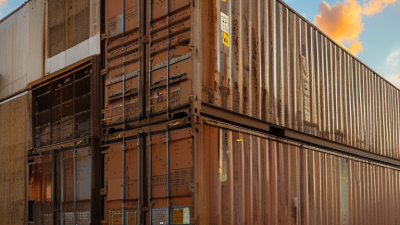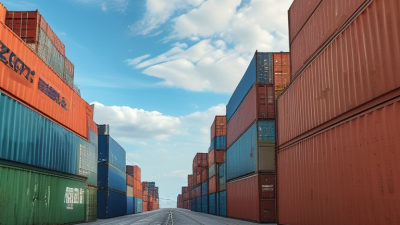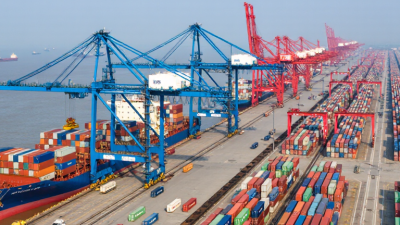
Choosing a sea container supplier in China takes more than comparing headline prices. Buyers need to assess manufacturing capacity, quality controls, customization, delivery schedules, and after-sales support. A container may look sound in a product photo, yet details matter: door seals, corner castings, floor condition, and weld consistency all affect daily use. Small details count.
Marc Levinson, author of The Box, captured the broader significance of container shipping: “The container is a simple metal box, but it changed the world.” That perspective helps explain why supplier selection deserves careful attention. A container is not merely a steel shell; it must meet the practical demands of loading, transport, storage, and repeated handling.
This guide examines leading Chinese manufacturers and suppliers, including CIMC, CXIC, and Singamas, while avoiding a one-size-fits-all ranking. Their product ranges, production strengths, service networks, and suitability can differ by order size and destination. The right choice depends on the job. Readers should compare written specifications, inspect available quality documentation, and confirm delivery terms directly with each supplier. Market information can change, and supplier claims deserve verification. Even a strong brand may not be the best fit for every buyer. That is worth remembering.
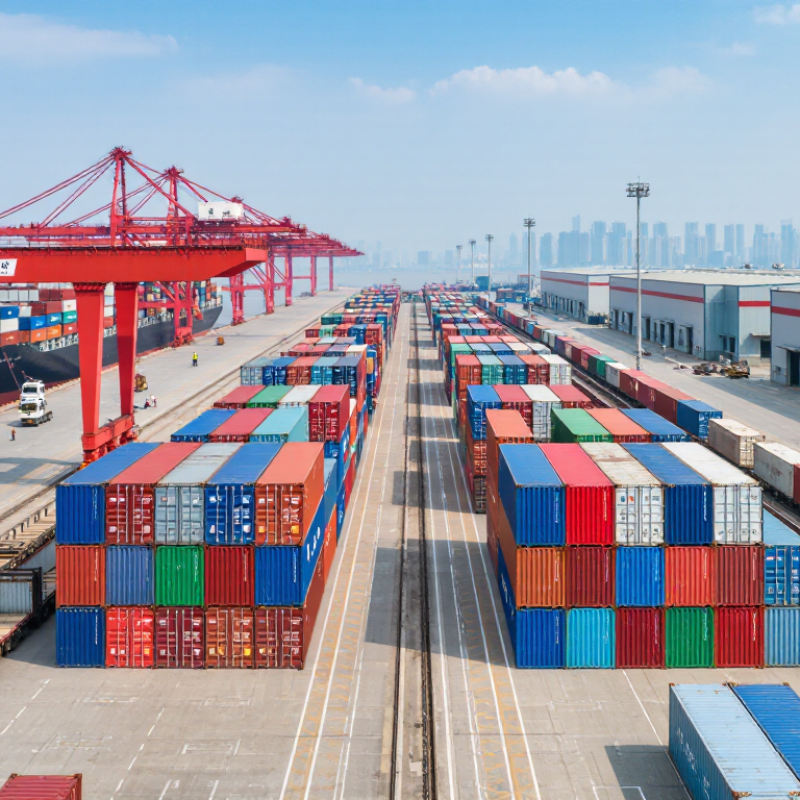
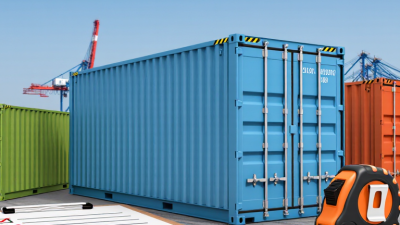
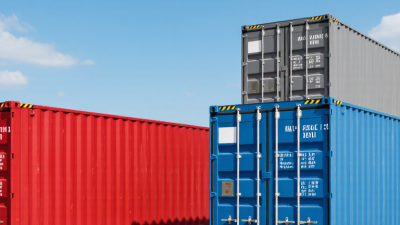
A sea container is a standardized, reusable cargo unit built to move between ships, trains, and trucks. Common sizes include 20-foot and 40-foot containers; a 20-foot unit is the basis of one TEU, or twenty-foot equivalent unit. The steel walls protect many ordinary goods from weather and handling, while specialized designs carry chilled food or liquids. Some containers need power, careful loading, or temperature checks. A steel box is not a magic shield.
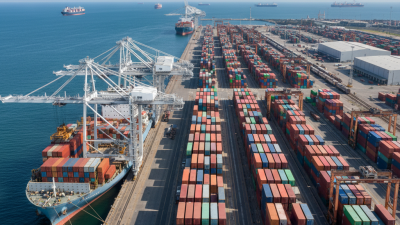
Their scale is substantial. UNCTAD’s Review of Maritime Transport 2024 reports that global container port throughput reached about 858.9 million TEU in 2023. This figure counts port handling, not unique containers or individual shipments. It shows how widely standardized boxes support international supply chains, from furniture and machinery to packaged food. At a busy terminal, cranes lift containers between vessels and waiting trucks within minutes.
Containers are also used for temporary storage, construction-site offices, and modular facilities. Yet choosing one requires more than measuring the cargo. Weight limits, ventilation, moisture, door clearance, and loading equipment all matter. A container can look sound outside while hiding corrosion or damaged flooring. Buyers should inspect its condition and confirm that its specifications suit the intended route and cargo.
China’s sea-container industry is a production network, not a single factory sector. It begins with steel mills and suppliers of flooring, corner castings, doors, paint, and locking gear. These inputs move to container manufacturers, where cutting, welding, coating, and inspection happen in sequence. The chain is layered. Factories often cluster near ports and industrial corridors, which can shorten inland delivery and simplify export loading.
Large manufacturers coordinate design, procurement, production lines, and quality checks, while smaller firms may focus on components or repairs. A typical dry container passes through frame assembly, wall-panel fitting, weatherproofing, and final dimensional checks. Workers inspect welds and door seals; a poorly aligned door can complicate loading and cargo protection. Production is not uniform. Equipment, materials, and inspection depth can differ between plants, so buyers should review sample records and factory processes.
Around factories, leasing companies, shipping operators, depots, and repair yards keep containers moving after manufacture. Depots clean units, check floors, and record damage before equipment returns to service. This service layer matters because a low purchase price may not reflect repair access or replacement-part availability. The structure can look efficient on paper, yet seasonal demand and steel-price changes still disrupt schedules. That is worth examining.
China’s leading sea container suppliers are manufacturers with large production capacity, established quality systems, and experience serving international shipping and logistics customers. The strongest candidates can produce standard dry containers and specialized units, while maintaining consistent specifications across high-volume orders. Their factories typically use automated welding lines, controlled coating processes, and documented inspections. These details matter: a smooth paint finish alone does not prove structural quality.
A supplier’s track record is just as important as its output. Look for clear inspection records, realistic production schedules, and evidence that container dimensions and materials match the requested specification. Ask how the company handles repairs, spare parts, and delivery coordination. A polished catalogue is useful, but it cannot replace factory verification. Even experienced buyers sometimes overlook communication delays until production is underway.
Tips: Request a sample inspection report and confirm the exact steel grade, coating system, and delivery terms in writing. Compare quotations line by line. The cheapest offer may exclude important checks or after-sales support.
Chinese sea container suppliers offer more than standard shipping boxes. Their product ranges often include dry containers, refrigerated units, open-top models, flat racks, and tank containers. Availability varies by factory, so buyers should confirm the exact model and condition. A used 20-foot container may suit basic storage, while a refrigerated unit needs reliable temperature controls and insulation.
Services can include design adjustments, interior lining, ventilation, painting, repairs, and delivery coordination. Some suppliers arrange pre-shipment inspections and provide drawings, material details, or test records. Ask for clear photos of door seals, floor boards, corner castings, and the container’s identification plate. Small details matter. A tidy catalog is not proof of build quality; I would want recent inspection evidence before approving an order. Delivery terms also deserve attention: clarify who handles loading, inland transport, and unloading, since these costs can change the final price. Response times and warranty coverage may differ. Get them in writing. A supplier’s willingness to answer specific questions can reveal more than a polished sales page, though it is not a guarantee.
Suppliers commonly offer dry, high-cube, and refrigerated containers, along with options such as customization, inspection, and delivery. The chart compares typical internal volume by container type; actual dimensions vary by manufacturer and model.
When comparing Chinese sea container suppliers, request the same specification and delivery terms from each. Check steel grade, dimensions, door seals, floor condition, weld finish, and coating thickness. Ask for recent production photos, inspection records, and a sample container inspection before placing a large order. Small details matter. A paper audit can still miss a rushed shift; that limitation deserves attention.
Use recognized requirements as a baseline. ISO 668 defines container dimensions and ratings, while ISO 1496 covers testing requirements for different container types. Confirm that the offered unit matches your intended cargo and handling conditions. Ask for the container’s test documentation and CSC safety approval where applicable. Also compare warranty scope, repair support, production capacity, and a realistic delivery schedule. The lowest quote may exclude useful inspections or transport costs.
Market data can help frame logistics questions, but it cannot prove a factory’s quality. UNCTAD’s Review of Maritime Transport 2024 reports that global container port throughput reached about 858.5 million TEU in 2023, up 2.4 percent. The World Bank’s 2023 Container Port Performance Index assessed 405 ports using vessel time in port. Use these reports to ask how the supplier plans shipments and handles delays. Then compare total landed cost, not just the factory price, and verify every key promise in writing.
| Comparison Dimension | What Buyers Should Verify | How to Compare Offers | Why It Matters |
|---|---|---|---|
| Container type and size | Confirm whether the quotation is for a standard dry container, high-cube container, refrigerated container, or another type. ISO 668 nominal external dimensions include 20-foot containers at 6,058 × 2,438 × 2,591 mm and 40-foot high-cube containers at 12,192 × 2,438 × 2,896 mm. | Compare like-for-like specifications, including external dimensions, door opening, internal dimensions, and stated capacity. Request the drawing and specification sheet for the exact model. | Container dimensions and features vary by type and design. A matching label alone does not guarantee identical usable space or compatibility. |
| Design and testing standard | Ask for the applicable standard and supporting test documentation. ISO 1496-1 covers specification and testing for general-purpose freight containers; other container types may require different applicable standards. | Check that the standard and test scope match the container type and intended service. Verify documents against the quoted model and production batch. | Standards-based specifications make technical offers easier to compare and help buyers assess suitability for transport and handling. |
| Safety approval and marking | For containers intended for international transport, confirm the applicable requirements under the International Convention for Safe Containers (CSC), including the safety approval plate and its details. | Request clear photos or records of the plate and confirm that its identification and approval information correspond to the delivered unit. | CSC approval relates to container safety requirements. Buyers should verify the actual unit rather than relying only on a general sales statement. |
| Payload, gross mass, and tare mass | Request the rated gross mass, maximum payload, and tare mass for the specific container. These values should be stated on the container’s data plate and technical documents. | Compare the figures for the same size and model, and check that the payload meets the intended cargo requirement. Do not assume a single value applies to every container of a given length. | Ratings can differ by design and construction. Accurate figures are important for cargo planning and transport compliance. |
| Materials and construction | Request the bill of materials or specification for the frame, panels, floor, doors, seals, and corrosion-protection system. Confirm the stated material grades and thicknesses. | Compare the documented specification and inspection results, not just broad descriptions such as “heavy duty” or “weatherproof.” | Material and construction details affect durability, maintenance needs, and suitability for the operating environment. |
| Quality inspection | Ask for the inspection plan, production checks, final inspection records, and any available independent inspection arrangements. | Agree in writing on inspection stages, acceptance criteria, sampling, defect handling, and who pays inspection costs before production starts. | Clear acceptance criteria reduce disputes and make it easier to identify issues before shipment. |
| Customization | Confirm the exact requirements for paint, markings, doors, ventilation, fittings, flooring, or other modifications, and request an approved drawing or sample where appropriate. | Compare itemized customization costs, production impact, and the final approved specification across quotations. | Custom features can affect price, production time, maintenance, and compliance with the intended use. |
| Price and quotation scope | Check whether the offer includes the container, customization, inspection, packaging, inland transport, export documentation, and delivery terms. | Compare total landed cost using the same quantity, specification, currency, delivery location, and Incoterms® rule. | A lower unit price may exclude costs that appear elsewhere in the order or delivery process. |
| Production capacity and lead time | Request a production schedule, stated monthly capacity for the relevant product, and confirmation of material availability. | Compare the promised schedule with the order quantity and require milestone updates. Treat capacity and lead-time figures as supplier-specific claims to verify. | Production schedules depend on the product, order size, materials, and current workload; there is no universal lead time for all suppliers. |
| Warranty and after-sales support | Obtain written warranty terms covering duration, exclusions, claim process, replacement parts, and responsibilities after delivery. | Compare coverage and remedy provisions, not just the stated warranty period. Clarify how defects are documented and resolved across borders. | Written terms help buyers understand the practical support available if a defect appears after delivery. |
| Supplier verification and payment terms | Verify the legal entity, business scope, factory or production arrangements, references, and consistency of bank-account details with the contracting party. | Use a written contract with the approved specifications, inspection terms, delivery schedule, payment milestones, and dispute provisions. | Document checks and controlled payment terms help reduce commercial and fulfillment risks. |
Note: ISO dimensions shown are nominal external dimensions. Product specifications, ratings, testing requirements, and commercial terms should be confirmed for the exact container model and order.
Fax: (920) 793-3818