2026 Top Cargo Container Types for Global Buyers?

Global cargo buyers entering 2026 face more choices than standard dry boxes. A cargo container may look simple, yet its design affects loading speed, freight cost, protection, and site handling. Dry, high-cube, refrigerated, open-top, flat-rack, and tank containers serve very different operating needs. Choosing by price alone can create expensive problems later.

Details matter. A high-cube unit can provide valuable extra interior height for lightweight goods. A refrigerated model needs stable temperature control, reliable power, and documented maintenance. Open-top containers may simplify crane loading, but weather protection requires careful planning. Flat-racks can carry oversized machinery, although securing points and weight distribution demand experienced inspection. Small faults matter. Rust around door frames, damaged floorboards, weak seals, or unclear repair records can affect the entire shipment.

This guide compares the leading cargo container types expected to interest global buyers in 2026. It focuses on practical specifications, inspection experience, supplier documentation, and suitability for different supply chains. Buyers should verify dimensions, maximum gross weight, tare weight, CSC-related certification, and local handling requirements before purchase or lease. Standards and availability may differ by route and market. That uncertainty deserves attention.

Not every “new” container is truly new. Photos can mislead. A hands-on inspection, independent survey, and clear purchase agreement remain valuable safeguards. The best choice balances cargo characteristics, transport distance, handling equipment, maintenance access, and total lifecycle cost. This overview aims to support informed decisions, while recognizing that real-world conditions can challenge even careful planning.
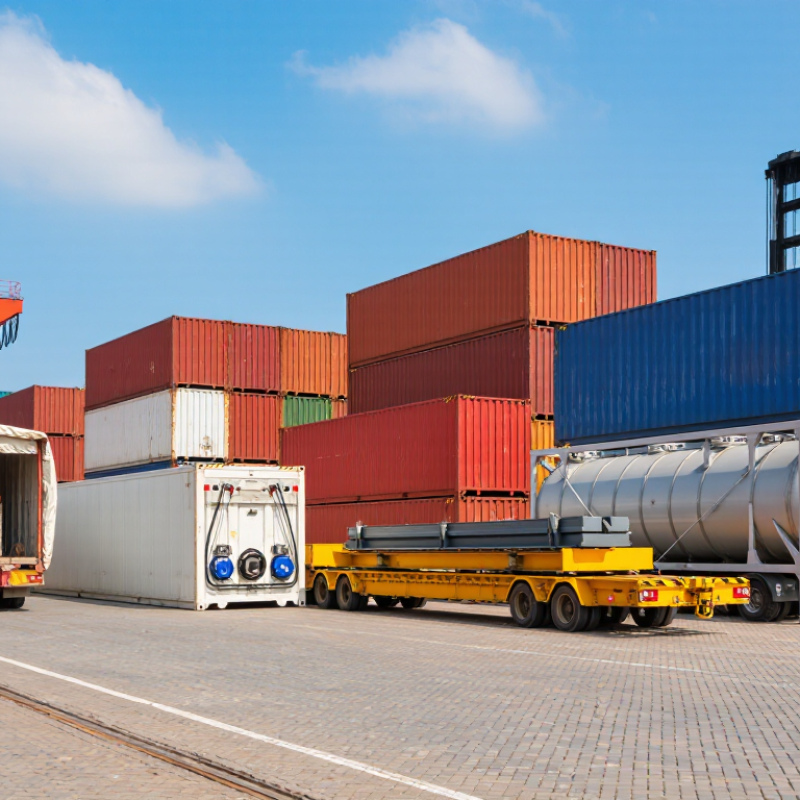
2026 Top Cargo Container Types for Global Buyers?

What Are Cargo Containers and Why Do Their Types Matter?

Cargo containers are standardized steel units designed to protect goods during sea, rail, and road transport. Their sizes, structures, and access points directly affect loading, handling, and delivery costs. A container is not simply a large metal box.

The common dry container suits cartons, machinery, furniture, and other general cargo. It offers enclosed protection from rain, dust, and handling damage. A high-cube version provides extra internal height for bulky products or taller pallets. Fit comes first.

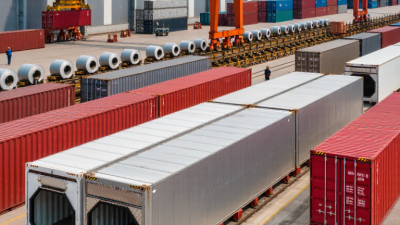
Refrigerated containers maintain controlled temperatures for food, plants, and temperature-sensitive materials. They require dependable power and careful monitoring throughout the journey. Open-top containers help load tall or heavy items using cranes. Flat-rack containers support oversized equipment that cannot fit through standard doors.

Container types matter because cargo conditions vary sharply. Moisture-sensitive goods need strong seals and suitable packing materials. Heavy machinery needs verified weight limits and balanced positioning. A poor match can create empty space, unstable loads, or avoidable handling charges.

In practical purchasing work, I check external dimensions, internal clearance, door openings, floor capacity, and inspection records. I also confirm applicable international container standards and transport requirements. These details often reveal problems before booking.

A checklist helps, but it is not perfect. I have seen buyers focus on price and overlook ventilation or unloading access. That mistake can delay an otherwise well-planned shipment. Reliable decisions come from matching the container’s design with the cargo’s real shape, weight, sensitivity, and route.

2026 Top Cargo Container Types for Global Buyers

What are cargo containers and why do their types matter? Cargo containers are standardized units used to protect and transport goods across ships, railways, and trucks. Container type affects usable volume, temperature control, loading access, cargo protection, and shipping efficiency.

Data shows typical nominal internal volume in cubic meters. Actual capacity varies by manufacturer, door configuration, insulation, and operating requirements. Dry containers are suitable for general cargo, high-cube containers provide extra vertical space, and reefer containers are designed for temperature-sensitive goods.

How to Classify Cargo Containers by Size, Structure, and Function

2026 Top Cargo Container Types for Global Buyers?

Cargo containers are best classified by size, structure, and function. Size affects capacity, handling, and freight cost. The common 20-foot unit suits dense cargo, machinery parts, and limited-volume shipments. A 40-foot unit provides more floor space for cartons, furniture, and packaged equipment. High-cube models add extra internal height, which helps with tall but lightweight cargo. Always check internal measurements. Door openings reduce usable space.

Structure determines loading access and cargo protection. Standard dry containers have enclosed walls and weather-resistant doors. Open-top units support cranes or vertical loading for oversized items. Flat racks handle wide or heavy loads, but securing plans require careful engineering. Side-opening designs can improve warehouse access. They may also need more clearance during handling. I have seen buyers choose capacity first and discover that the loading method does not fit.

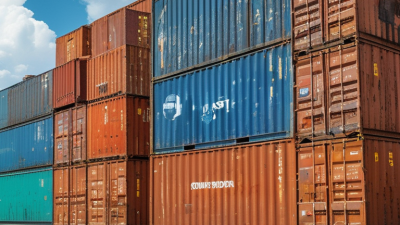
Function requires closer inspection. Refrigerated containers control temperature for approved temperature-sensitive goods, while insulated units provide passive protection. Tank containers serve compatible liquid cargo and demand verified technical documentation. Ventilated models help cargo that needs airflow. Before purchase, inspect flooring, door seals, corner castings, locking bars, and signs of corrosion. Review inspection records and confirm applicable international standards. A clean exterior can hide damaged flooring. That mistake is costly. Container selection should match cargo weight, dimensions, route conditions, handling equipment, and destination requirements. Ask for current photos, but treat photos as evidence, not proof.

Which Standard Dry Containers Suit General Global Shipments?

2026 Top Cargo Container Types for Global Buyers

For general global shipments, standard dry containers remain the practical baseline. UNCTAD’s Review of Maritime Transport 2024 reported that maritime trade grew by 2.4% in 2023, keeping dependable container capacity important for buyers. A 20-foot dry container suits dense cargo, such as machinery, tiles, or boxed metal parts. Its typical internal length is about 5.9 metres under ISO 668.

A 40-foot dry container offers nearly double the floor length, making it useful for cartons, furniture, and packaged consumer goods. The 40-foot high-cube version adds approximately 30 centimetres of internal height. That extra space helps with tall cartons and lightweight cargo. It can also reduce wasted vertical volume. Not always, though.

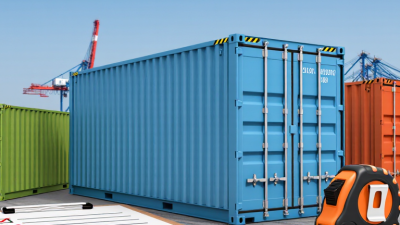
Buyers should compare usable payload, cubic capacity, door openings, and local road limits before booking. External dimensions do not equal loading capacity. A 20-foot unit may carry heavy cargo efficiently, while a 40-foot unit can reach its volume limit first. The World Shipping Council notes that container transport depends on standardized equipment and safe handling practices across global networks. In practice, uneven floor loading, weak pallets, or poor moisture protection can create costly problems. I would check the packing plan twice, especially when cartons vary in height. Small measurement errors can become large freight losses.

When Should Buyers Choose Specialized and Temperature-Controlled Containers?

Specialized and temperature-controlled containers solve different cargo problems.

Buyers should match equipment to product sensitivity, handling limits, and route conditions.

Reefers suit seafood, dairy, fresh produce, vaccines, and other temperature-sensitive goods.

FAO’s State of Food and Agriculture 2019 estimates that 14% of food is lost between harvest and retail. Reliable cooling can reduce that risk, but only with disciplined loading and monitoring. Chilled cargo often needs 0–4°C, while frozen products commonly require -18°C or lower. Pharmaceutical shipments may require tighter ranges, such as 2–8°C, plus validated temperature records. A reefer does not correct poor packaging.

Specialized containers fit heavy machinery, steel coils, timber, and oversized cargo.

Open-top units simplify crane loading. Flat racks handle wide or tall equipment. Buyers should check weight distribution, lashing points, axle limits, and port lifting capacity before booking. UNCTAD’s Review of Maritime Transport 2024 confirms that ships carry over 80% of global merchandise trade, making port compatibility important. A suitable box can still fail when a terminal lacks the right handling equipment.

In practice, route duration matters as much as cargo type.

Buyers should review pre-trip inspection results, power availability, backup plans, and sensor calibration. The UNEP and FAO Sustainable Food Cold Chains report links stronger cold chains with lower food loss and emissions.

The less comfortable truth is that “premium” equipment cannot replace careful operations. A cheaper container may work. Or it may create an expensive temperature claim.

How Can Global Buyers Select the Right Container for Their Cargo?

2026 Top Cargo Container Types for Global Buyers

Selecting the right container starts with the cargo, not the freight quote. Dry containers suit boxed goods, machinery, and palletized products. High-cube units add roughly 30 centimeters of internal height, helping bulky cartons load more efficiently. Temperature-sensitive cargo needs refrigerated containers with verified temperature records and stable airflow. Open-top containers can handle tall machinery, while flat racks support wide or heavy loads.

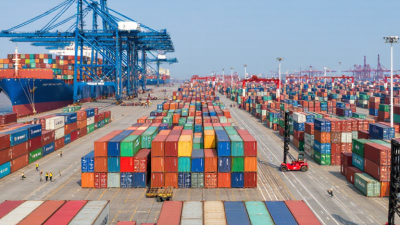
UNCTAD’s Review of Maritime Transport 2024 states that maritime shipping carries over 80% of global merchandise trade. It also reported 2.4% growth in maritime trade during 2023. These figures show why small container decisions can affect large supply chains. Buyers should compare cargo dimensions, gross weight, loading method, ventilation, and route climate. A 20-foot container may reduce unused space for dense cargo. A 40-foot high-cube unit may suit lighter, volume-heavy shipments.

Check the container’s internal length, door opening, payload, and inspection status. Do not rely only on nominal capacity. A pallet may fit on paper but fail at the door because of turning space.

Condensation is another overlooked risk. Desiccants and liners can help, but they are not a cure for wet cargo. UNCTAD also highlights continuing disruption risks across major routes. Build a realistic buffer for delays.

The lowest quote can become expensive after storage, reloading, or damage claims. No checklist is perfect. Recheck the actual cargo before booking.