What Is the Best Flatbed Truck to Buy in 2026?

Choosing the best flatbed truck to buy in 2026 starts with the work it must handle. A contractor moving lumber has different needs from a rancher hauling equipment or a fleet delivering materials. Payload, bed length, cab space, and access to service can matter more than a model’s headline towing figure. Check the truck’s specific configuration, because options and body equipment affect usable payload. That matters. A long bed may seem ideal, but it can be awkward on tight job sites. A smaller truck may be easier to maneuver, yet run out of capacity sooner.

This guide will compare key truck classes, powertrains, chassis options, and ownership costs without treating one badge as the answer for everyone. It will also explain what to inspect: frame suitability, tie-down points, bed construction, warranty coverage, and local dealer support. Real work is messy. Annual mileage, road conditions, and the weight of tools carried every day can change the practical choice. Buyers should confirm ratings with manufacturer specifications and verify that the finished truck fits their intended load. There is no perfect answer, and advertised capability alone rarely settles the question. Some comparisons will remain imperfect because prices, availability, and equipment vary by region. Still, a careful shortlist can reveal which flatbed truck offers the right balance of capacity, durability, comfort, and long-term value for your work.
What Is the Best Flatbed Truck to Buy in 2026?

How Flatbed Trucks Are Designed and Classified

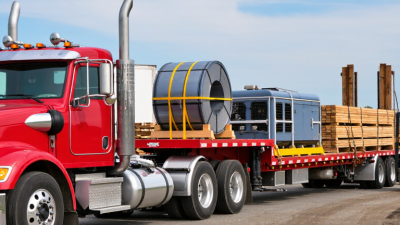
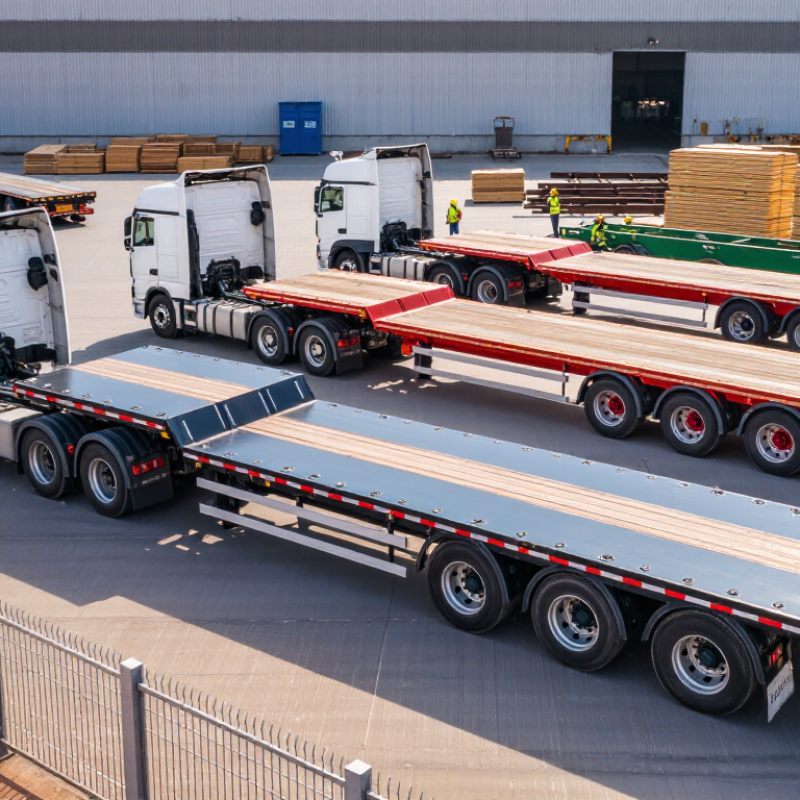
A flatbed is a truck body configuration, not a weight class. Its open deck sits on a chassis and usually includes a headboard, stake pockets, and rated tie-down points. The chassis, suspension, axles, and brakes determine what the truck can safely carry. Deck length alone does not.

The U.S. Department of Energy’s Alternative Fuels Data Center groups medium-duty vehicles in Classes 3–6, with gross vehicle weight ratings from 10,001 to 26,000 pounds. Classes 7–8 exceed 26,000 pounds. These ranges help narrow a search, but they do not tell you the usable payload. Subtract the truck’s curb weight and installed equipment from its GVWR, then check axle ratings. A longer deck may look more capable, yet it can add weight and leave less capacity for cargo. That trade-off is easy to overlook.

Tip: Match the deck to the load’s footprint and tie-down needs. Ask for the completed truck’s weight ticket, not just the bare-chassis specification. Check deck material, frame spacing, and payload with your typical load aboard. Specifications can still feel abstract until a pallet sits on the deck.
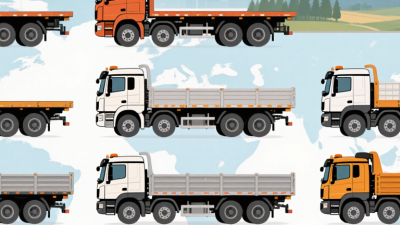
Choosing a Flatbed by Truck Class

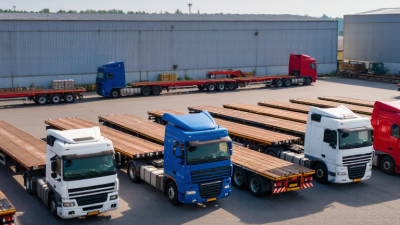
Truck classes are based on gross vehicle weight rating (GVWR), not payload capacity. GVWR includes the truck, passengers, fuel, and cargo. Choose a flatbed class that suits your expected load and confirm the vehicle’s rated payload before buying.

Key Factors for Choosing a Flatbed Truck in 2026

What Is the Best Flatbed Truck to Buy in 2026?
Key Factors for Choosing a Flatbed Truck in 2026

The best flatbed truck depends on the loads, routes, and workdays it must handle. Start with payload, not just the advertised bed size. Add the weight of the driver, tools, fuel, and tie-down gear to your typical cargo. Then check the truck’s gross vehicle and axle ratings against that real working load. A long deck may fit lumber or equipment, but it can make tight job-site turns harder. Measure your usual loading area and access roads before choosing.

Think about how often the truck runs, too. Frequent heavy trips may call for a different configuration than occasional local deliveries. Compare cab and deck dimensions, expected fuel use, service access, and the availability of suitable tie-down points. Ask a qualified truck professional to review your intended load and configuration; ratings can vary with equipment and setup. I would leave some capacity in reserve, even if the exact margin takes a little judgment. A truck that works at its limit every day may leave little room for changing jobs.

Tips: Bring a typical load list to the dealer. Check bed height, turning clearance, and tie-down placement in person. Small details matter.

What Is the Best Flatbed Truck to Buy in 2026? — Key Factors for Choosing a Flatbed Truck
Buying Factor Light-Duty Flatbed Medium-Duty Flatbed Heavy-Duty Flatbed How to Choose
Typical U.S. GVWR class Classes 3–5: 10,001–19,500 lb GVWR Classes 6–7: 19,501–33,000 lb GVWR Class 8: over 33,000 lb GVWR Start with the truck’s required GVWR, but verify the exact rating on the vehicle certification label and registration documents.
Best suited to Local deliveries, landscaping, maintenance work, and lighter building materials Frequent commercial deliveries, heavier equipment, and higher daily workloads High-weight cargo, demanding vocational use, and heavy-duty hauling Choose the lowest truck class that safely handles your expected cargo, equipment, and operating conditions.
Payload planning Often a practical choice when loads are relatively light and variable Provides more capacity potential, depending on chassis and body configuration Offers the greatest capacity potential, with corresponding operating and licensing considerations Calculate available payload as GVWR minus the completed truck’s actual weight, occupants, cargo, and added equipment. Do not rely on a class label alone.
Deck size and layout Commonly available with compact decks for urban routes and smaller loads Available with longer decks and a wider range of body configurations Can accommodate long or specialized decks, subject to chassis and legal limits Measure cargo, loading access, turning space, and route restrictions. Confirm deck dimensions and usable payload with the completed-vehicle specification.
Powertrain considerations Compare gasoline and diesel options where available; consider route length and load frequency Evaluate engine output, transmission, cooling, and service requirements for sustained work Match the powertrain and gearing to heavy loads, grades, and expected annual use Compare total operating cost, fuel availability, maintenance access, and duty cycle rather than choosing by engine type alone.
Axles, tires, and suspension Check axle ratings and tire capacity against the planned load distribution Consider heavier-duty axles, tires, and suspension for regular commercial loading Specify components for the intended load, route, and vocational application Every component must be rated for the load it carries. A high GVWR does not make an overloaded axle or tire safe.
Loading and cargo security Side access, tie-down points, and a suitable ramp may matter for small equipment Consider stake pockets, rated tie-downs, a headache rack, and loading equipment Plan for load restraint, deck strength, access, and any specialized handling equipment Confirm that the deck, tie-downs, ramps, and cargo restraints are appropriate for the cargo and comply with applicable securement rules.
Driver and route requirements May suit tighter routes and smaller work sites, depending on dimensions Check turning radius, height, bridge limits, and loading-site access Route planning and work-site access can be especially important In the U.S., a single vehicle rated above 26,000 lb GVWR generally triggers a CDL requirement; confirm applicable federal and state rules, endorsements, and exceptions.
Ownership costs Compare purchase price, insurance, fuel, tires, and service intervals Include commercial maintenance, downtime, and body or equipment costs Budget for higher-capacity components, specialized service, and operating needs Request a full cost estimate for the configured truck, including the flatbed body, installation, taxes, maintenance, and expected downtime.
Best overall fit Best when loads are modest, routes are local, and maneuverability matters Best when the truck works regularly and needs a balance of capacity and versatility Best when verified cargo and equipment weights require a heavy-duty chassis The best flatbed truck for 2026 is the one whose documented ratings, body configuration, and operating costs match your real loads and routes.
Important note GVWR classes and CDL guidance shown here are U.S.-oriented. Payload, deck dimensions, available powertrains, and equipment ratings vary by configuration; confirm all specifications and local requirements before purchase.

How Leading Flatbed Truck Models Compare

Comparing leading flatbed truck models in 2026 starts with the work, not the paint or cab trim. Light-duty models suit local deliveries, small equipment, and lighter building materials. They are easier to park, but may run out of payload quickly once the bed, toolboxes, and passengers are counted. Medium-duty trucks offer a useful balance for heavier loads and frequent stops. Their larger frames can mean higher running costs, though. Heavy-duty models make more sense for dense materials, long workdays, and demanding routes, provided the truck is configured for the actual load.

Look closely at payload ratings, axle capacity, and bed weight. A long steel deck may provide room for lumber, yet it also adds weight before cargo goes aboard. Aluminum decks can reduce that burden, but deck design and tie-down placement still matter. Check whether the cab-to-axle measurement fits the bed, and inspect how easily workers can reach securement points. Gas engines may suit shorter routes and lighter duty; diesel can be worth considering for sustained heavy use. Neither choice is automatically better. Test the truck with a realistic load if possible. Even then, estimates can miss a detail—like a full toolbox or a second crew member.

Matching Flatbed Truck Features to Common Jobs

The best flatbed truck in 2026 depends on the work, not the biggest payload figure on a spec sheet. For lumber deliveries, measure deck length against typical bundles and allow room for straps and edge protectors. A low deck height can make loading easier, while stake pockets and rub rails help organize securement gear. For machinery, prioritize payload capacity, axle ratings, and ramp compatibility. Check the actual weight of the machine, attachments, and fuel; estimates often miss small items that add up.

For mixed construction jobs, a medium-duty chassis may offer a useful balance of maneuverability and capacity. Tight sites reward a shorter wheelbase, but a longer deck may be essential for sheet goods or pipe. There is a trade-off. Before buying, compare real route distances, loading frequency, and available turning space with the truck’s configuration. The American Transportation Research Institute’s 2024 An Analysis of the Operational Costs of Trucking report estimated average operating costs at $2.270 per mile in 2023 across trucking operations. That figure is not flatbed-specific, but it shows why fuel use, maintenance access, and expected annual mileage deserve attention alongside purchase price. A detailed job log can help; it may also reveal that the “ideal” truck is a compromise. Check the completed truck’s payload after body, winch, toolboxes, and other equipment are installed.

What to Check Before Buying a Flatbed Truck

Choosing the best flatbed truck in 2026 begins with the work it must do. Write down typical cargo weight, load dimensions, and how often the truck will travel. Compare the truck’s gross vehicle weight rating and axle ratings with the expected load. Tires, suspension, and payload capacity all matter. A large deck is not useful if the truck cannot safely carry the weight.

Inspect the frame and bed in daylight. Look for deep rust, cracks near welds, bent crossmembers, and loose or damaged tie-down points. Check that the deck sits level and that ramps, side rails, or a headache rack suit your jobs. Photos prove little. On a used truck, ask for maintenance records and check for uneven tire wear, fluid leaks, and warning lights. Arrange an independent inspection if anything feels uncertain. It may cost extra, but hidden repairs can cost more.

Take a test drive with the truck unloaded. Notice steering pull, brake vibration, unusual noise, and how the transmission shifts. Test lights and other equipment, then confirm that the cab and controls are comfortable for a full workday. Ask a qualified mechanic to explain any inspection findings in plain language. I would leave room in the budget for repairs; even a tidy truck can have flaws. Consider fuel use, insurance, and routine service costs alongside the purchase price.